As the NL celebrates its 150th anniversary, we examine how MLB National League dominance, led by the Dodgers, has fundamentally shifted the sport's balance of power.
As Major League Baseball prepares to celebrate the historic 150th anniversary of the Senior Circuit, a fundamental shift in the landscape of the sport is becoming impossible to ignore. For decades, the American League was viewed as the powerhouse of innovation and offensive fireworks, often overshadowing its older counterpart. However, as we approach the 2026 season, the narrative has flipped entirely. The current era of MLB National League dominance is not just a temporary hot streak; it is a systemic takeover driven by aggressive spending, elite player development, and the overwhelming gravitational pull of the Los Angeles Dodgers.
The National League’s rise to prominence coincides with a milestone that few professional sports leagues ever reach. Founded in 1876, the NL has survived world wars, economic depressions, and the steroid era. Yet, it has rarely looked as formidable as it does today. With a concentrated collection of the game's brightest stars and deepest pockets, the NL has effectively seized the mantle of the 'superior' league, leaving the American League searching for an identity in this new landscape.
The Dodgers Factor and the Concentration of Talent
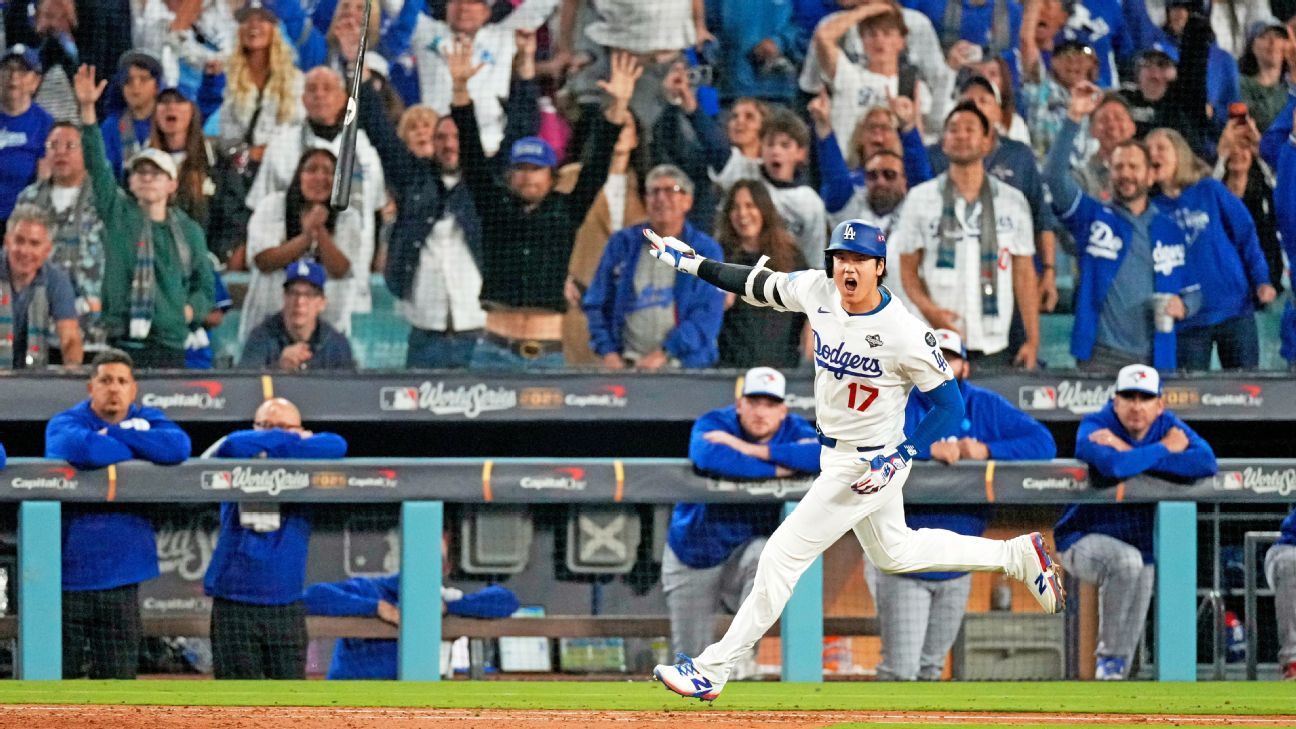
You cannot discuss MLB National League dominance without centering the conversation on the Los Angeles Dodgers. By constructing a roster that resembles a perennial All-Star team, the Dodgers have forced the rest of the National League to either adapt or perish. The signing of generational talents and the consistent integration of top-tier prospects have created a 'super-team' culture that has trickled down to other NL franchises.
Teams like the Atlanta Braves, Philadelphia Phillies, and New York Mets have refused to concede. In an effort to keep pace with Los Angeles, these organizations have increased their payrolls and overhauled their scouting departments. This competitive arms race has resulted in a National League that is top-heavy with legitimate World Series contenders. When you compare the top five teams in the NL to the top five in the AL, the statistical gap in run differential and star power is widening. The NL is no longer just the 'pitcher-friendly' league of old; it is a gauntlet of high-powered offenses and shutdown rotations.
The American League’s Identity Crisis
While the Senior Circuit thrives, the American League appears to be in a state of flux. Historically, the AL was defined by the dominance of the New York Yankees and the Boston Red Sox. While the Yankees remain a perennial threat, the overall depth of the American League has taken a noticeable hit. Several traditional powerhouses in the AL Central and West have entered prolonged periods of rebuilding, leading to a disparity in quality that often results in 'empty calories' wins for the league leaders.
Furthermore, the universal DH—once a unique staple of the American League—has stripped the AL of its primary strategic advantage. Now that both leagues play by the same rules, the National League’s superior financial resources and aggressive front-office maneuvers have allowed it to pull ahead. The talent migration has been largely one-way; more reigning MVPs and Cy Young winners are currently residing in NL clubhouses than at any point in the last twenty years. This shift in the talent pool is a primary driver of the current MLB National League dominance.
150 Years of History and the Path to 2026
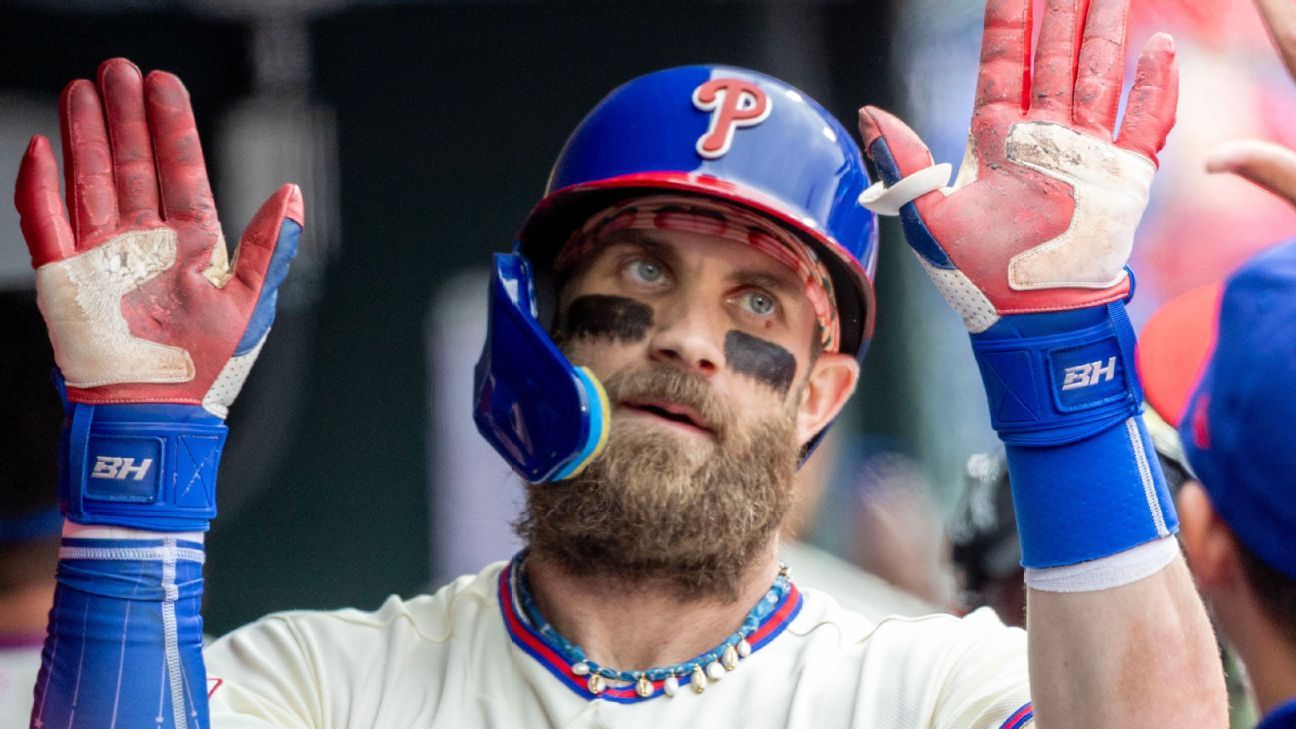
As we look toward the 2026 season, the 150th anniversary of the National League serves as a reminder of the league's resilience. However, the celebration is about more than just longevity; it is about the evolution of the brand. The NL has successfully marketed its stars—from Shohei Ohtani and Ronald Acuña Jr. to Bryce Harper—positioning itself as the premier destination for the world’s best baseball players.
This branding success has led to increased attendance and higher local television ratings for NL teams compared to many of their AL counterparts. Fans are drawn to greatness, and right now, greatness wears National League colors. The league has leaned into the 'prestige' of its history while embracing a modern, high-spending philosophy that appeals to the contemporary sports fan. This combination of tradition and ambition is why MLB National League dominance is expected to persist well into the next decade.
Can the American League Close the Gap?
For the American League to reclaim its status, a few things must happen. First, the 'middle class' of the AL must become more competitive. The gap between the elite teams and the basement dwellers in the AL is currently too wide, leading to a less compelling product during the regular season. Second, the AL needs its young stars, like Julio Rodríguez and Bobby Witt Jr., to become the global faces of the sport to rival the NL’s marketing machine.
Ultimately, the 2026 season will be a litmus test for the sport. If the World Series trophy continues to find a home in National League cities, the debate over which league reigns supreme will be settled. For now, the evidence is clear: the 150-year-old National League is experiencing a renaissance that has fundamentally altered the hierarchy of Major League Baseball. Whether you are a fan of the history or the modern flash, there is no denying that we are living in an age of MLB National League dominance.
Stay informed
Follow SportsNow.
Join the reader list for future briefings and important newsroom updates.
Reader conversation
Your take on the story
Stay with the story