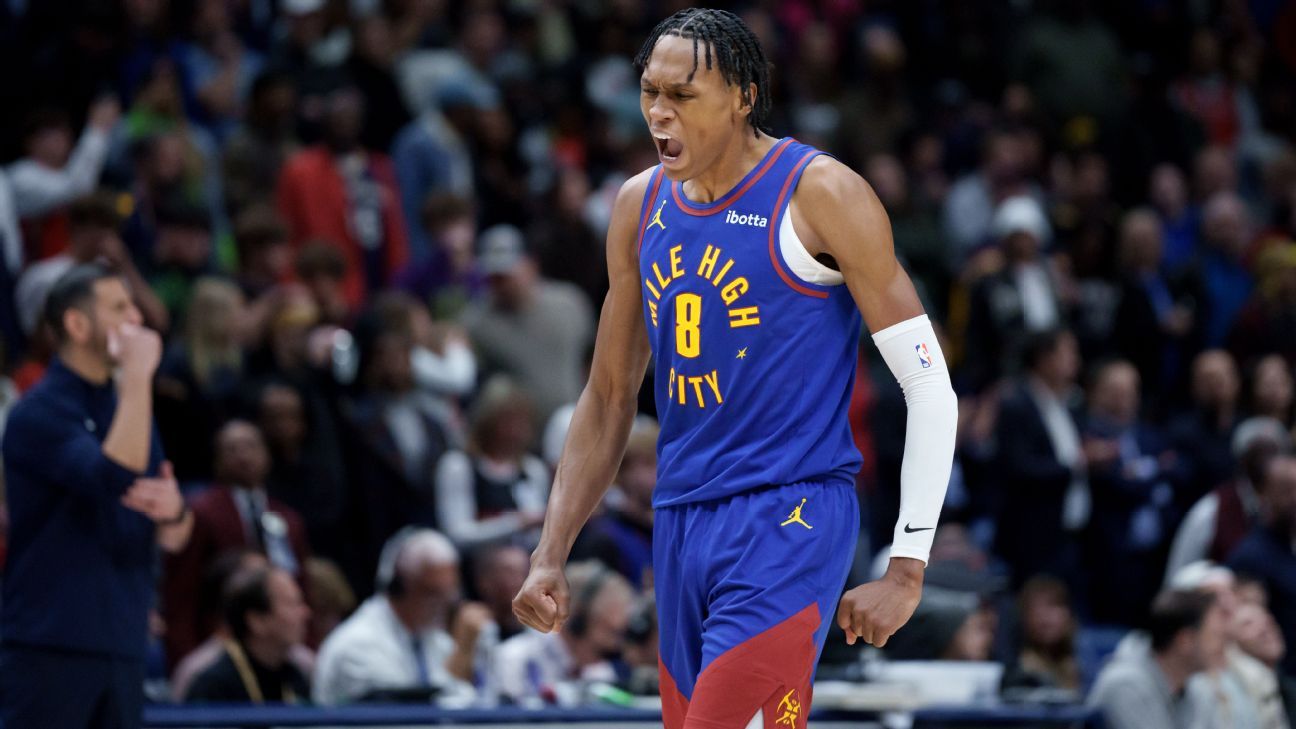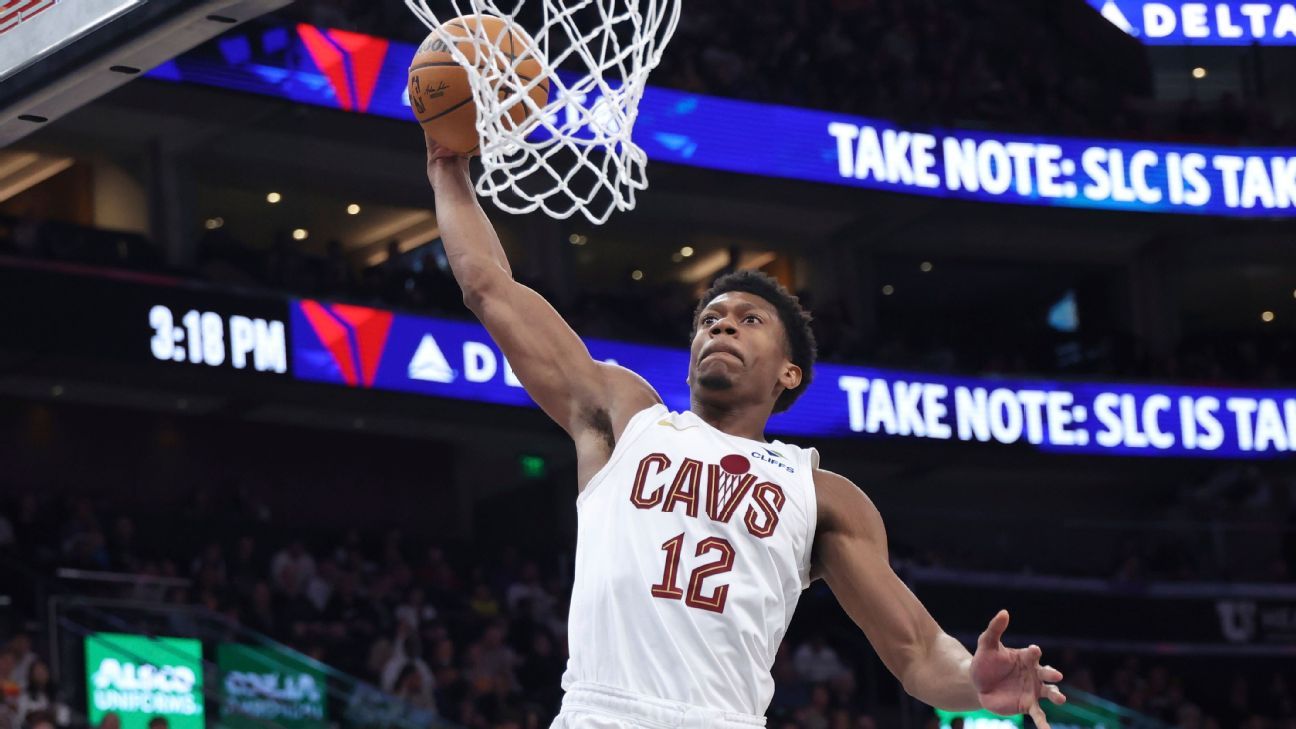
The Cleveland Cavaliers have completed a major Cavs Hunter trade, sending the forward to Sacramento in exchange for veterans Dennis Schroder and Keon Ellis.
The NBA landscape shifted significantly this week as the Cleveland Cavaliers and Sacramento Kings finalized a multi-player deal that addresses critical needs for both franchises. According to league sources, the Cavs Hunter trade is now official, sending versatile forward De'Andre Hunter to the Kings in exchange for veteran point guard Dennis Schroder and emerging defensive specialist Keon Ellis. This move signals a clear intent from Cleveland to bolster their backcourt depth and veteran leadership as they prepare for a deep postseason run in the Eastern Conference.
Analyzing the Cavs Hunter Trade Impact
At the heart of the Cavs Hunter trade is Cleveland’s desire to diversify their offensive playmaking. While De'Andre Hunter provided size and respectable three-and-D capabilities, the Cavaliers felt a pressing need for a secondary ball-handler who could take the pressure off their primary stars. Dennis Schroder fits this mold perfectly. The veteran guard brings a wealth of playoff experience and a gritty defensive mindset that aligns with head coach Kenny Atkinson’s philosophy.
Schroder, a seasoned floor general, has proven throughout his career that he can lead a second unit or close games alongside elite scorers. His ability to penetrate the paint and create shots for others will give Cleveland a dimension they lacked during stretches of the previous season. Furthermore, the inclusion of Keon Ellis in the deal should not be overlooked. Ellis has quickly gained a reputation as one of the most disruptive perimeter defenders in the league. By acquiring both players in the Cavs Hunter trade, Cleveland effectively replaces one versatile wing with two high-impact specialists who can guard multiple positions and provide much-needed energy off the bench.
Why the Kings Moved for De'Andre Hunter
From the Sacramento perspective, this deal is about length and floor spacing. The Kings have long been searching for a consistent two-way forward who can slot into their high-octane offense without being a liability on the defensive end. De'Andre Hunter, when healthy, is exactly that. Standing at 6'8" with a massive wingspan, Hunter allows the Kings to switch more effectively on defense while providing a reliable perimeter threat for De'Aaron Fox and Domantas Sabonis to find on the kick-out.
While losing Dennis Schroder hurts their bench scoring, the Kings are betting on the development of their younger guards to fill the void. The primary objective for Sacramento was to find a wing who could match up against the elite forwards of the Western Conference, such as Kevin Durant, Kawhi Leonard, and LeBron James. This Cavs Hunter trade gives them a legitimate defensive stopper who is still in his physical prime. If Hunter can stay on the floor, his presence transforms the Kings from a high-scoring novelty into a balanced contender capable of winning low-scoring defensive battles.
Financial Implications and Roster Flexibility
Beyond the on-court fit, the Cavs Hunter trade carries significant financial weight for both organizations. Hunter is currently in the middle of a multi-year contract that pays him as a high-end starter. By moving his salary, the Cavaliers have essentially broken up one large contract into two smaller, more manageable pieces. This gives Cleveland greater flexibility in future trade windows, as Schroder and Ellis are on contracts that are easier to aggregate or move individually if the team needs to make another pivot.
For the Cavaliers, this trade also clears up a bit of a logjam at the forward position, allowing for more developmental minutes for their younger prospects. The front office clearly prioritized functional depth over individual ceiling in this move. By executing the Cavs Hunter trade, Cleveland is signaling to the rest of the league that they are in 'win-now' mode, prioritizing players who can contribute to winning basketball immediately over the long-term potential of a single wing player.
What’s Next for Cleveland and Sacramento?
As the dust settles on the Cavs Hunter trade, both teams must now integrate their new pieces quickly. For Cleveland, the challenge will be finding a rhythm between Schroder and the existing core. There is only one basketball to go around, and Atkinson will need to be creative in how he staggers minutes to ensure that Schroder has the freedom to create without stepping on the toes of the team's primary options. Keon Ellis, meanwhile, should find it easy to earn minutes simply by being the hardest-working player on the defensive end.
Sacramento fans will be eager to see how Hunter fits into Mike Brown's system. The Kings' offense relies on movement and quick decision-making, areas where Hunter has shown flashes of brilliance but lacked consistency. If he can adapt to the pace of the Kings' play, this trade could be the move that finally pushes Sacramento into the top tier of the West. Ultimately, the Cavs Hunter trade is a rare 'win-win' scenario where both teams addressed their most glaring weaknesses by trading from a position of relative strength. The real test will come in the spring when the playoffs begin and these new acquisitions are forced to perform under the brightest lights in professional basketball.
Stay informed
Follow SportsNow.
Join the reader list for future briefings and important newsroom updates.
Reader conversation
Your take on the story
Stay with the story
Related coverage
Open desk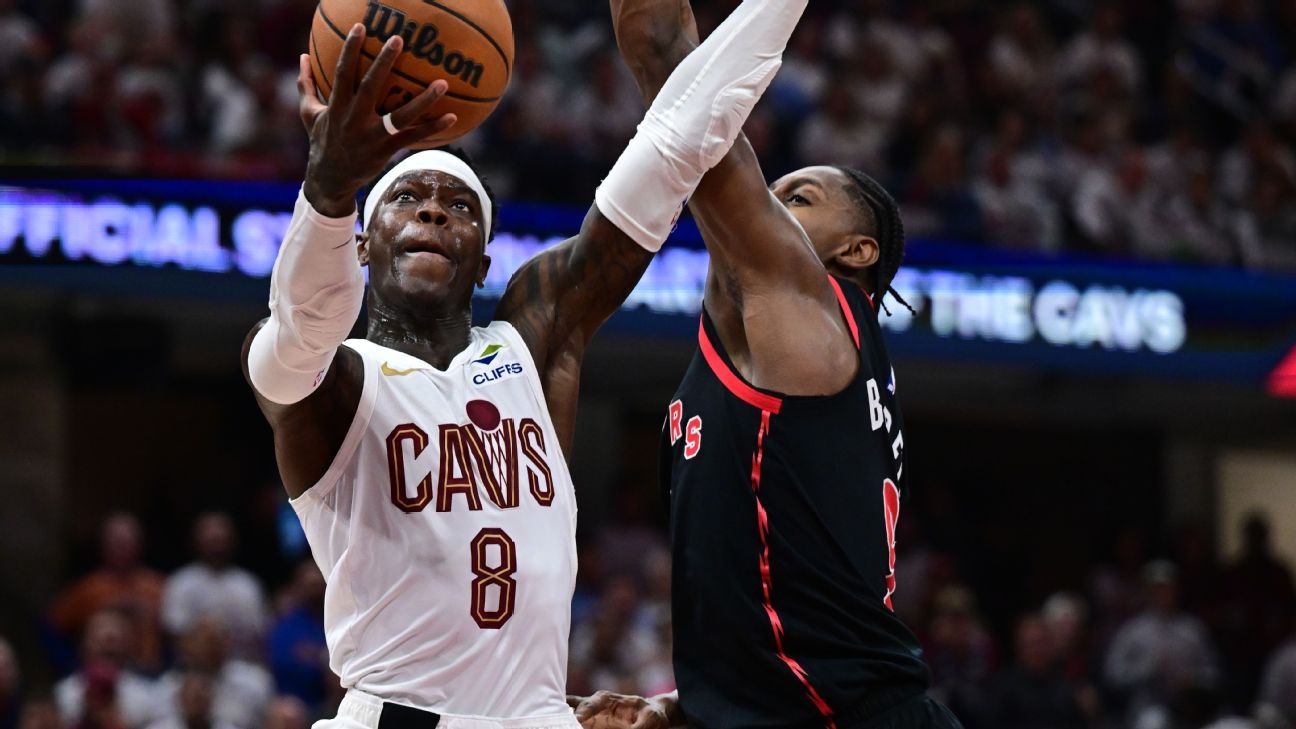
Cavaliers Trade Dennis Schroder and Cash to Hornets for Guard Tre Mann
Nuggets Trade Peyton Watson to Cavs, Sign DeMar DeRozan to One-Year Deal