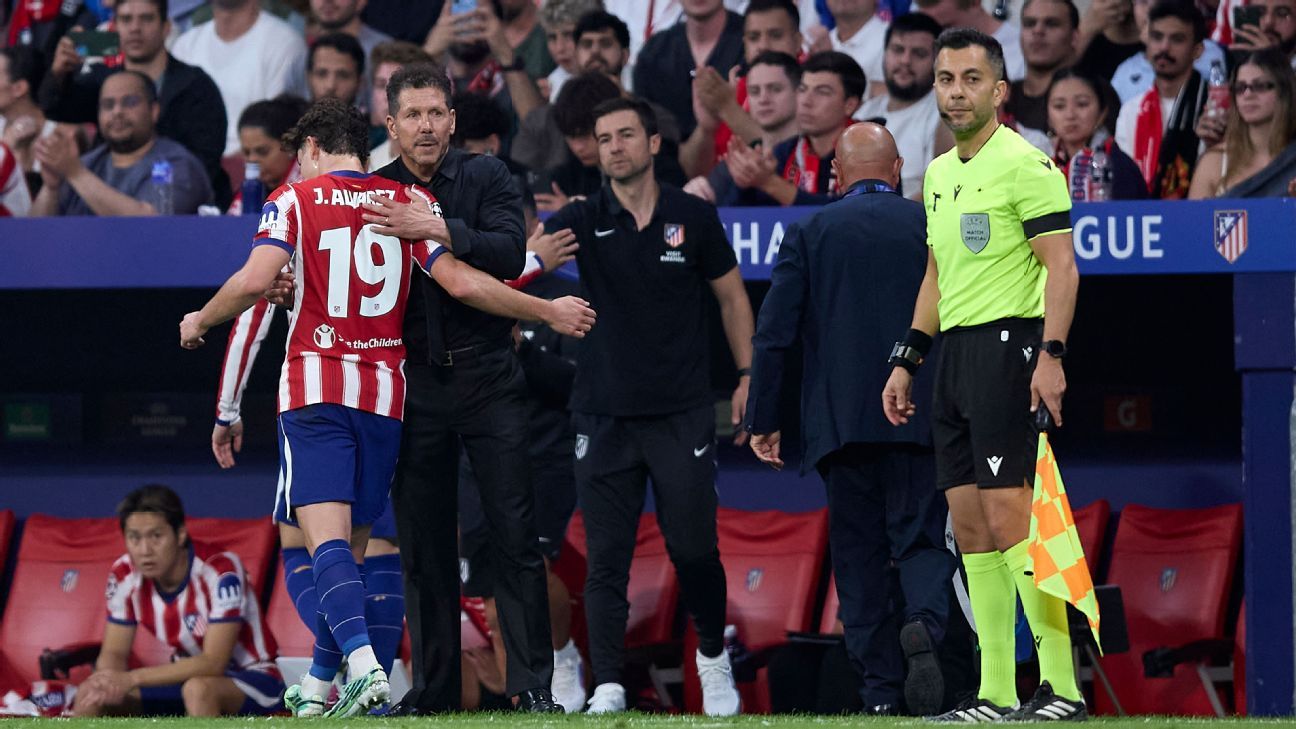
The inaugural league phase has concluded with intense Champions League drama, featuring tactical masterclasses and surprising exits across Europe.
The revamped format of Europe’s premier club competition has reached a fever pitch, delivering a level of Champions League drama that many skeptics thought impossible at the start of the season. With all 36 teams in action simultaneously during the final Matchday 8 of the league phase, the continent witnessed a whirlwind of goals, tactical ingenuity, and heartbreak. This new 'Swiss-model' league phase was designed to provide more high-stakes matchups early on, and as the dust settles, it is clear that the mission was accomplished.
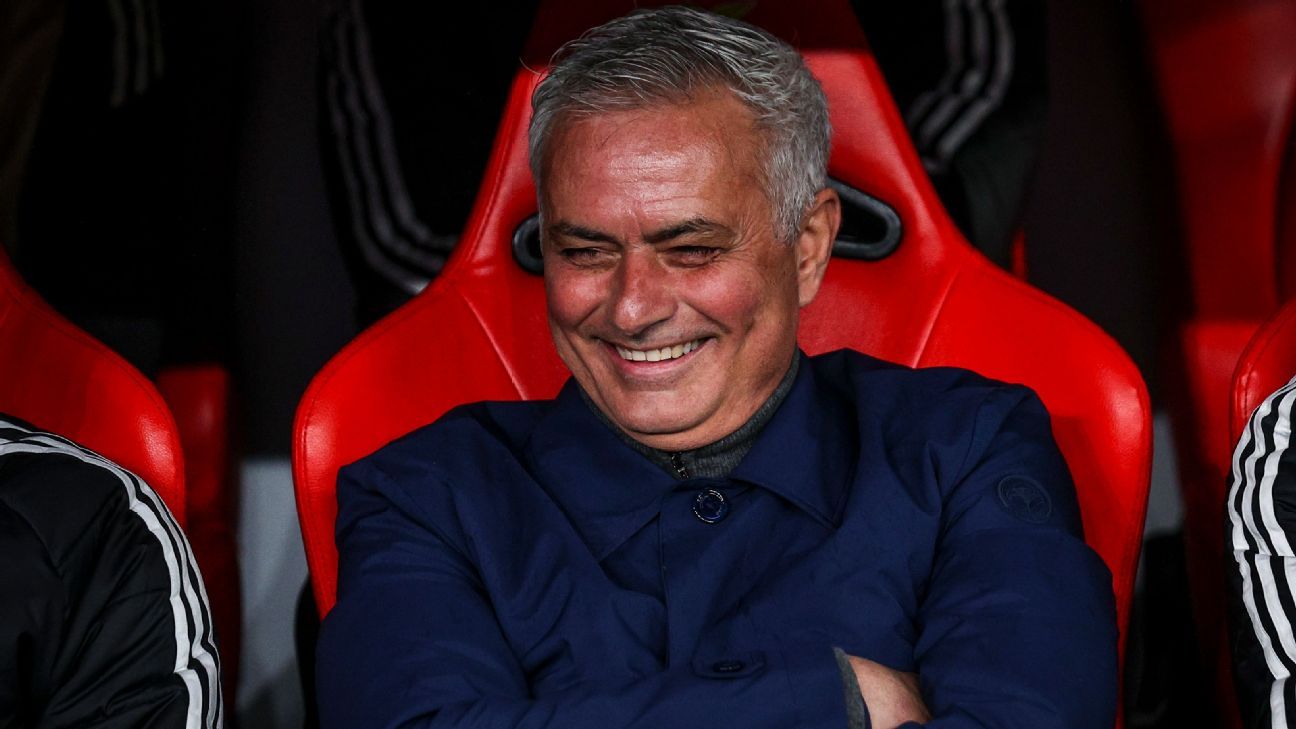
From Jose Mourinho’s tactical influence looming over the tactical landscape to the emergence of unexpected underdogs, the tournament has entered a new era. The sheer volume of matches on a single night created a sensory overload for football fans, but it also highlighted the razor-thin margins that now define the path to the knockout stages. Every goal scored across the continent had a ripple effect, shifting the live standings and determining who would secure a top-eight spot and who would be forced into the grueling playoff round.
The Tactical Masterclass and Coaching Brilliance
One of the most significant themes of this season’s Champions League drama has been the chess match played on the sidelines. While the 'Special One' might be plying his trade elsewhere, his legacy of defensive organization and counter-attacking clinical edge was felt in several performances this week. Coaches are no longer just managing games; they are managing goal differences and aggregate scenarios across a 36-team table.
We saw teams like Aston Villa and Bayer Leverkusen demonstrate that structure often trumps individual star power. The ability to soak up pressure and strike on the break has become a vital tool for those looking to disrupt the established hierarchy of Real Madrid and Manchester City. This tactical evolution has ensured that even the traditional giants cannot afford a single off-night. The pressure to perform under the bright lights of Tuesday and Wednesday nights has never been higher, leading to some of the most sophisticated football seen in a decade.
Highs and Lows: The Standout Performers
When assessing the highs of the tournament so far, it is impossible to ignore the rise of the 'disruptors.' Teams that were previously considered making up the numbers have found a way to thrive in the new format. The Champions League drama was amplified by the fact that several traditional powerhouses found themselves sweating until the final whistle of Matchday 8.
On the flip side, the lows have been equally shocking. Some of Europe’s most storied clubs have struggled to adapt to the lack of a traditional four-team group structure. The absence of a safety net meant that early-season stumbles became compounded problems by the time the final matchday arrived. For these clubs, the post-mortem will be painful, as the financial and prestige-based implications of an early exit are massive. The disparity between the elite and the chasing pack is shrinking, and nothing highlighted that more than the frantic final minutes of the league phase where goals in one stadium were silencing crowds thousands of miles away.
The Impact of the New Format on Global Viewership
Critics of the expanded format argued that the league phase would be 'all filler and no killer.' However, the Champions League drama produced on the final matchday proved that the stakes are higher than ever. By eliminating the 'dead rubber' matches that often plagued the old group stage format, UEFA has created a product that demands attention from the first minute of Matchday 1 to the final whistle of Matchday 8.
The simultaneous kickoff times created a digital frenzy, with social media platforms exploding as goals flew in across Europe. For the fans, this meant a deeper engagement with teams they might usually ignore. When a goal in Lisbon affects the qualification hopes of a team in London, the entire ecosystem of European football feels more connected. This connectivity is the secret sauce that has made this season particularly memorable, setting the stage for a knockout round that promises even more tension.
Looking Ahead: The Knockout Phase Expectations
As we transition from the league phase to the knockout rounds, the Champions League drama is only expected to intensify. The playoff round will introduce a new layer of jeopardy for those who failed to finish in the top eight. These two-legged affairs will act as a bridge to the Round of 16, where the heavy hitters will be waiting.
What we have learned from the first eight matchdays is that momentum is everything. Teams that have navigated the league phase with consistency and tactical flexibility are the ones to watch. Injuries, January transfer window additions, and the sheer physical toll of the expanded schedule will all play a role in who eventually lifts the trophy in Munich. If the league phase was the appetizer, the football world is now ready for a main course that promises to be one of the most unpredictable in the history of the European Cup. The drama is far from over; in many ways, it is just beginning.
Stay informed
Follow SportsNow.
Join the reader list for future briefings and important newsroom updates.
Reader conversation
Your take on the story
Stay with the story
Related coverage
Open desk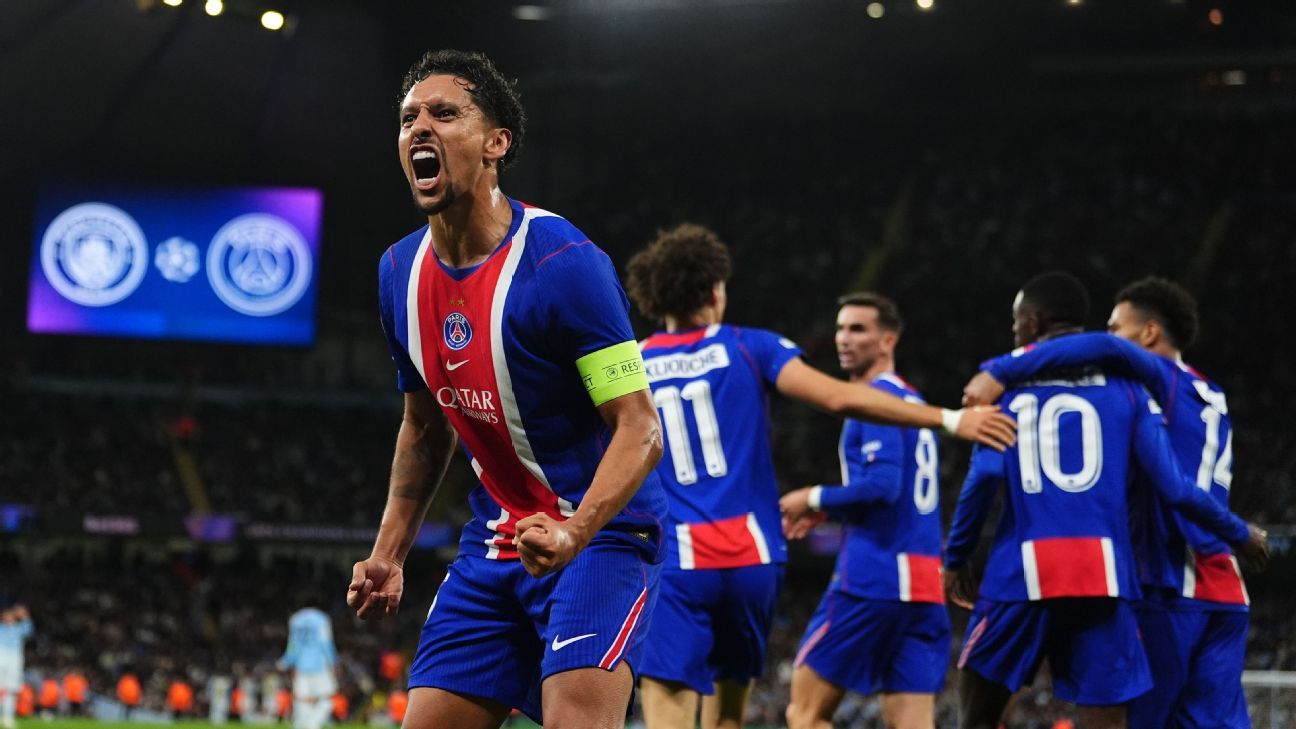
PSG Dismantles Manchester City 4-2 to Continue Champions League Dominance
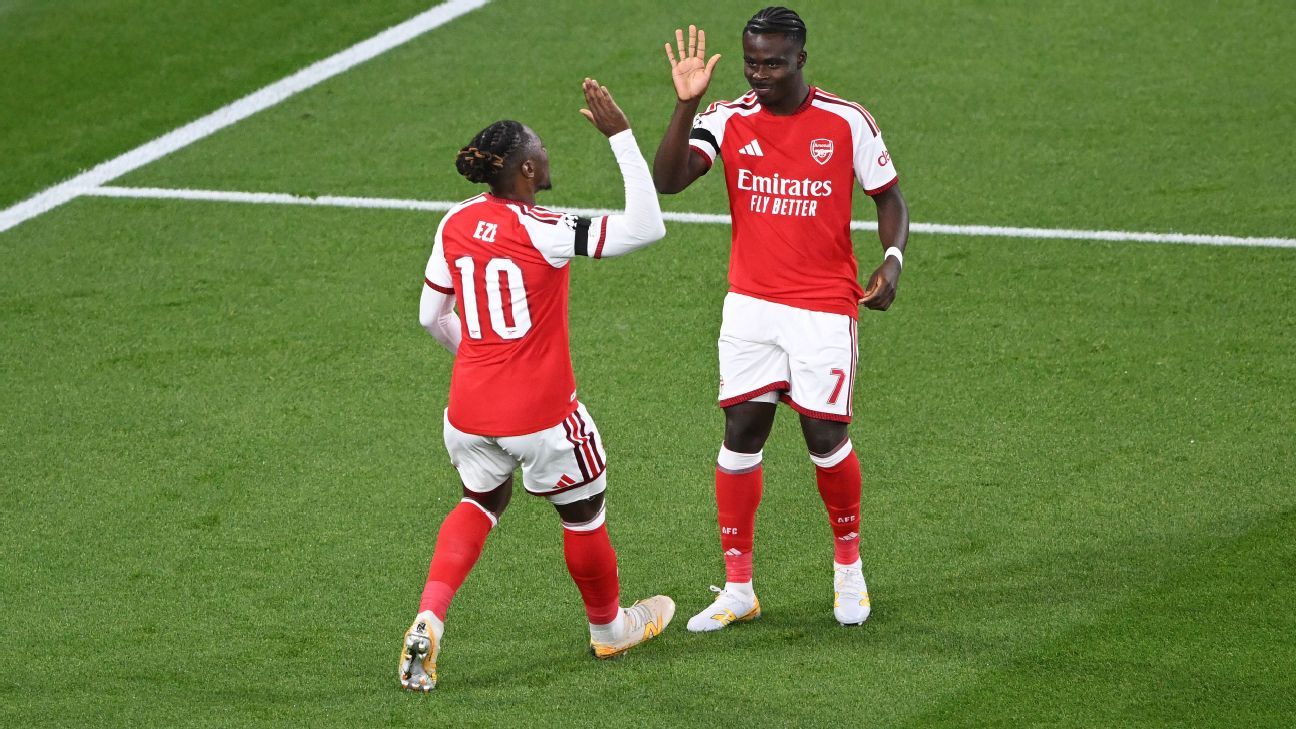
Arsenal Secure 3-0 Champions League Win Over Lille Following Triple Substitution