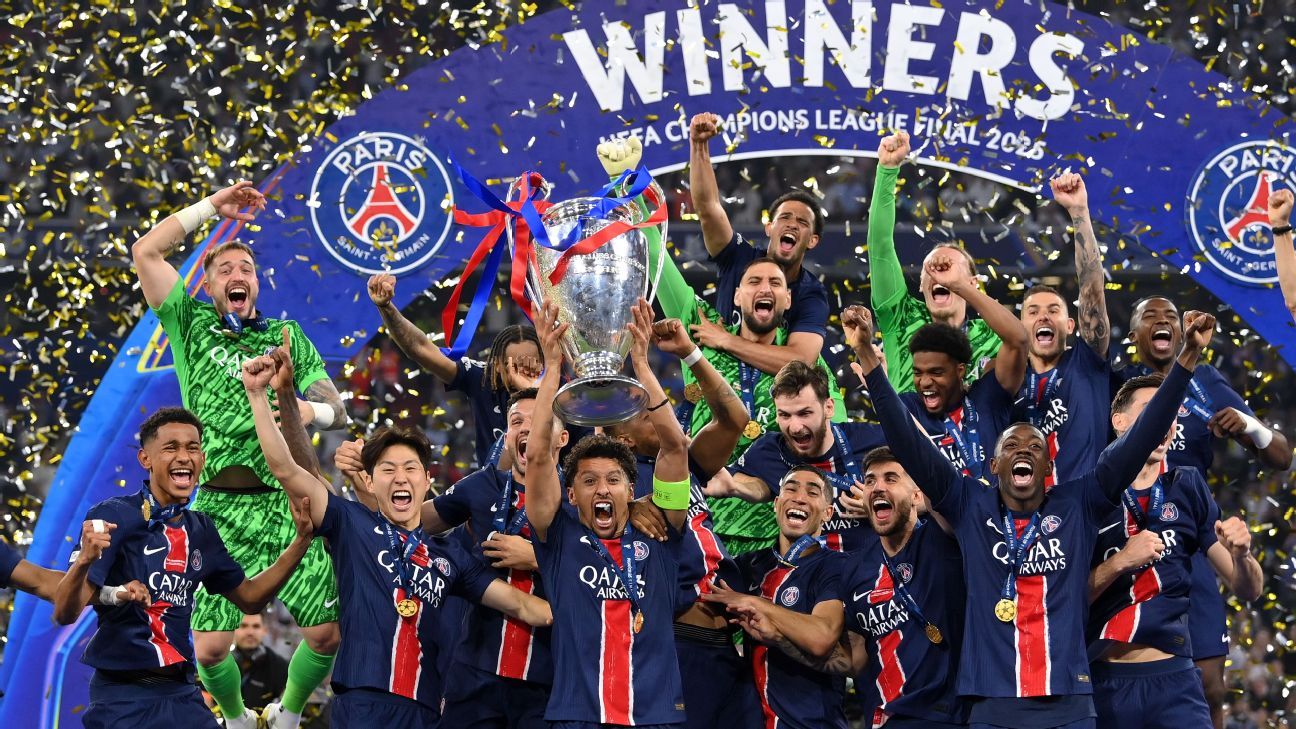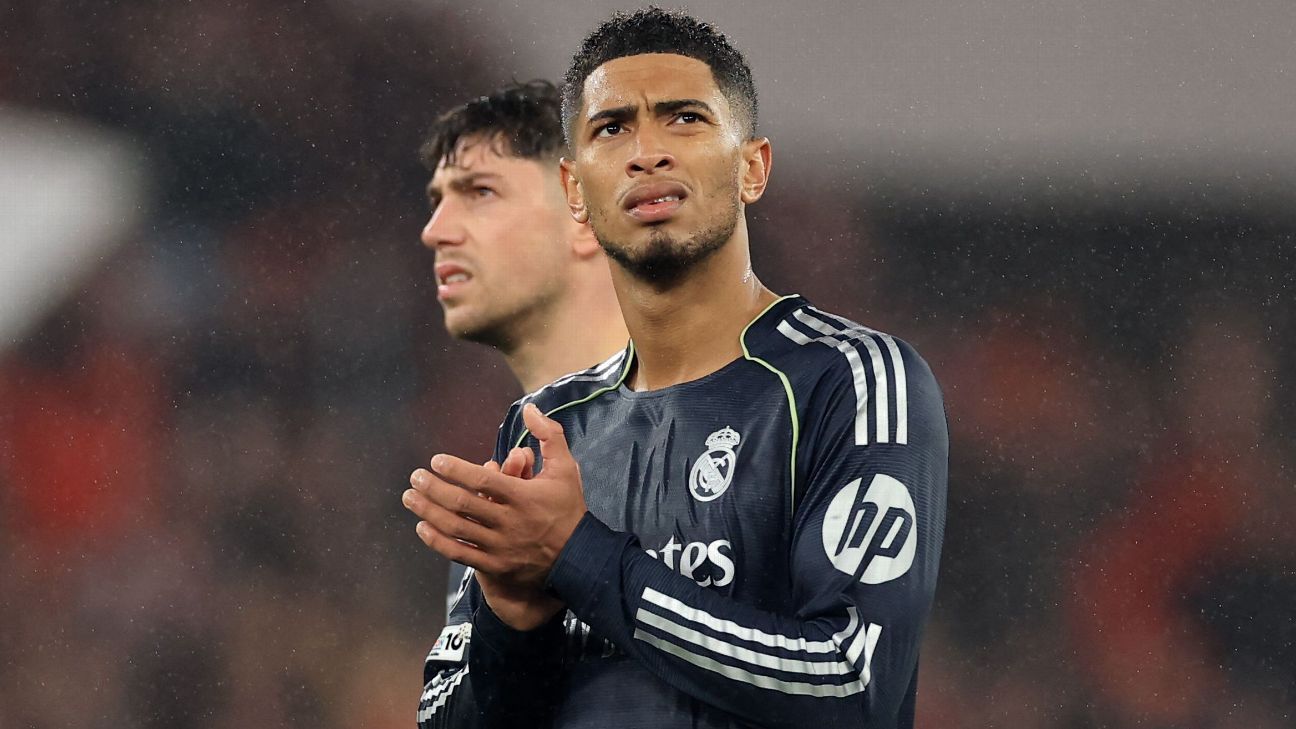
Everything you need to know about the Champions League draw, including how the knockout bracket works and the key dates for the upcoming tournament rounds.
The road to European glory is becoming clearer as the football world turns its attention to the official Champions League draw. This pivotal moment in the sporting calendar determines the fate of the continent's elite clubs, setting the stage for high-stakes drama and the tactical battles that define modern soccer. For fans and analysts alike, understanding the nuances of the Champions League draw is essential to predicting who will eventually lift the iconic trophy in the final.
How the Champions League Draw Process Works
The Champions League draw is far more than just pulling names out of a hat. It is a meticulously structured process designed to ensure fairness while maintaining the competitive integrity of the tournament. In the initial knockout playoff round, teams are typically divided into two pots: the seeded teams and the unseeded teams. Seeded teams usually consist of those who finished higher in their respective groups or performed better in the newly formatted league phase.
One of the most important rules to remember during the Champions League draw is the geographical restriction. In the early knockout stages, clubs from the same national association cannot be drawn against one another. This prevents domestic rivalries from dominating the European stage too early, ensuring a diverse range of international matchups. Additionally, teams that faced each other during the group stages are generally kept apart until later in the bracket. This structure guarantees that the knockout phase feels fresh and unpredictable for global audiences.
Understanding the Knockout Bracket and Path to the Final
Once the Champions League draw is complete, the bracket begins to take shape. Unlike the earlier rounds, the quarter-final and semi-final draws are often 'open,' meaning there are no seeds and no country restrictions. This is where the tournament truly heats up, as any team can face any opponent, leading to 'Group of Death' style scenarios in the knockout phases. The bracket essentially maps out a team's entire journey, allowing fans to see which side of the draw their favorite club falls on.
Being on a specific side of the bracket can significantly impact a team's chances of reaching the final. For instance, if three of the tournament favorites are all concentrated on the left side of the bracket, a 'dark horse' team on the right side might have a statistically easier path to the championship match. The Champions League draw effectively creates a narrative for the remainder of the season, identifying potential heavyweight clashes long before they actually take place on the pitch.
Key Dates and Match Scheduling
Following the conclusion of the Champions League draw, the focus shifts to the calendar. The knockout rounds are played over two legs—home and away. This format is a staple of European football, rewarding consistency and tactical flexibility. The away goals rule, which was a controversial fixture for decades, has been abolished in recent years. This change has fundamentally altered how teams approach the first leg of their drawn matchups, often leading to more attacking football as teams are no longer terrified of conceding a single goal at home.
Matchdays are typically spread across Tuesdays and Wednesdays, creating a mid-week festival of football. The round of 16 usually takes place over several weeks in February and March, followed by the quarter-finals in April. The semi-finals lead us into May, culminating in the grand final at a predetermined neutral venue. Keeping track of these dates is vital for fans planning to watch the Champions League draw results manifest on the field.
What to Expect from This Year's Contenders
Every Champions League draw brings with it a set of expectations and pressures. Defending champions often carry a target on their backs, while perennial powerhouses like Real Madrid, Manchester City, and Bayern Munich are always viewed as the teams to avoid. The beauty of the draw lies in the potential for David vs. Goliath stories. When a smaller club is paired with a European giant, it creates a 'nothing to lose' atmosphere that has historically led to some of the greatest upsets in sports history.
As the balls are drawn and the matchups are set, the tactical preparation begins. Managers will spend weeks dissecting the strengths and weaknesses of their assigned opponents. For the fans, the Champions League draw is the starting gun for a period of intense speculation, betting, and excitement. Whether your team is a seasoned veteran of the knockout stages or a newcomer looking to make a mark, the draw is the moment where dreams either start to take flight or face their toughest reality check. Stay tuned as the bracket unfolds and the quest for European immortality continues.
Stay informed
Follow SportsNow.
Join the reader list for future briefings and important newsroom updates.
Reader conversation
Your take on the story
Stay with the story
Related coverage
Open desk
Champions League Draw: Group Stage Preview
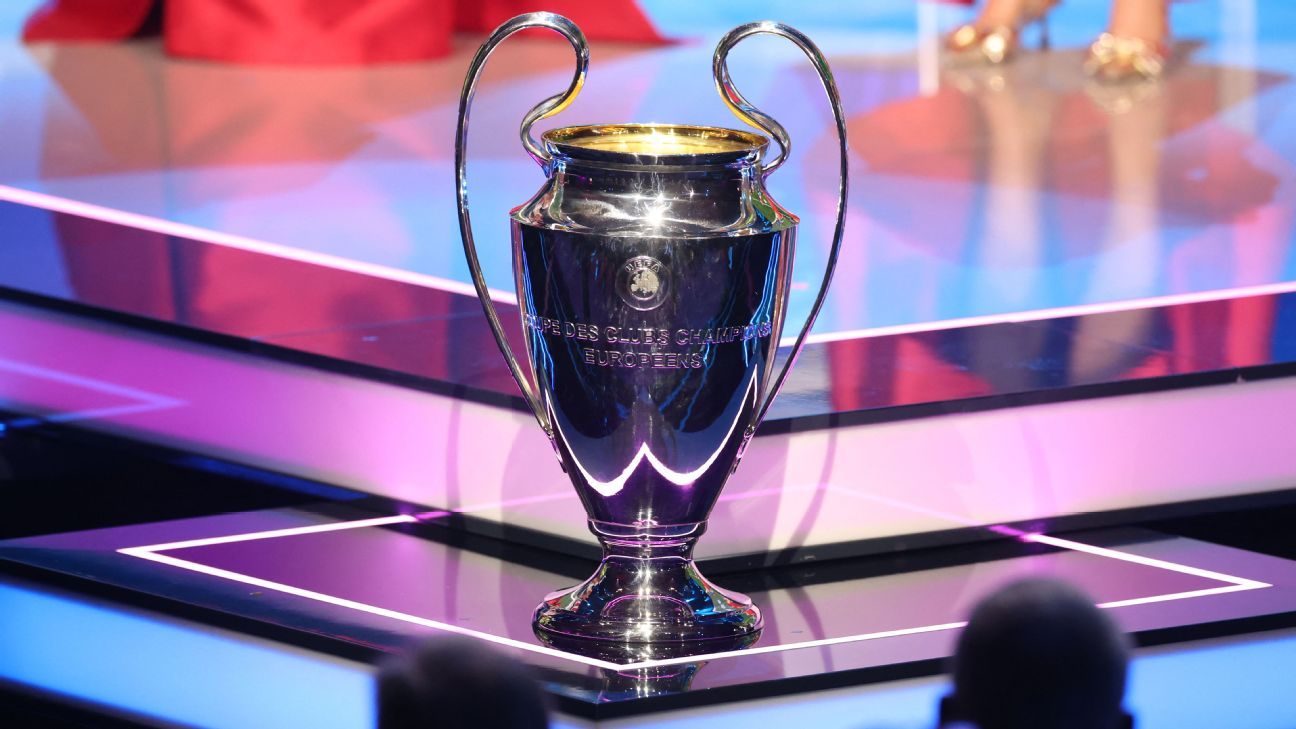
PSG to Face Barcelona as Arsenal Draws Real Madrid in Champions League Draw