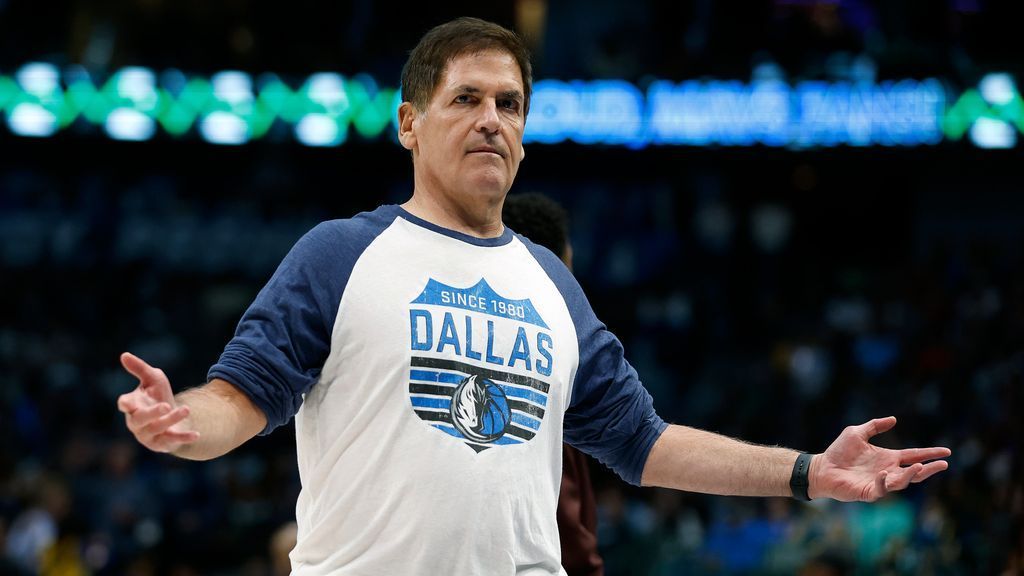
Former Mavericks owner Mark Cuban argues the NBA tanking strategy provides fans with hope, referencing the 2017 season that secured Luka Doncic.
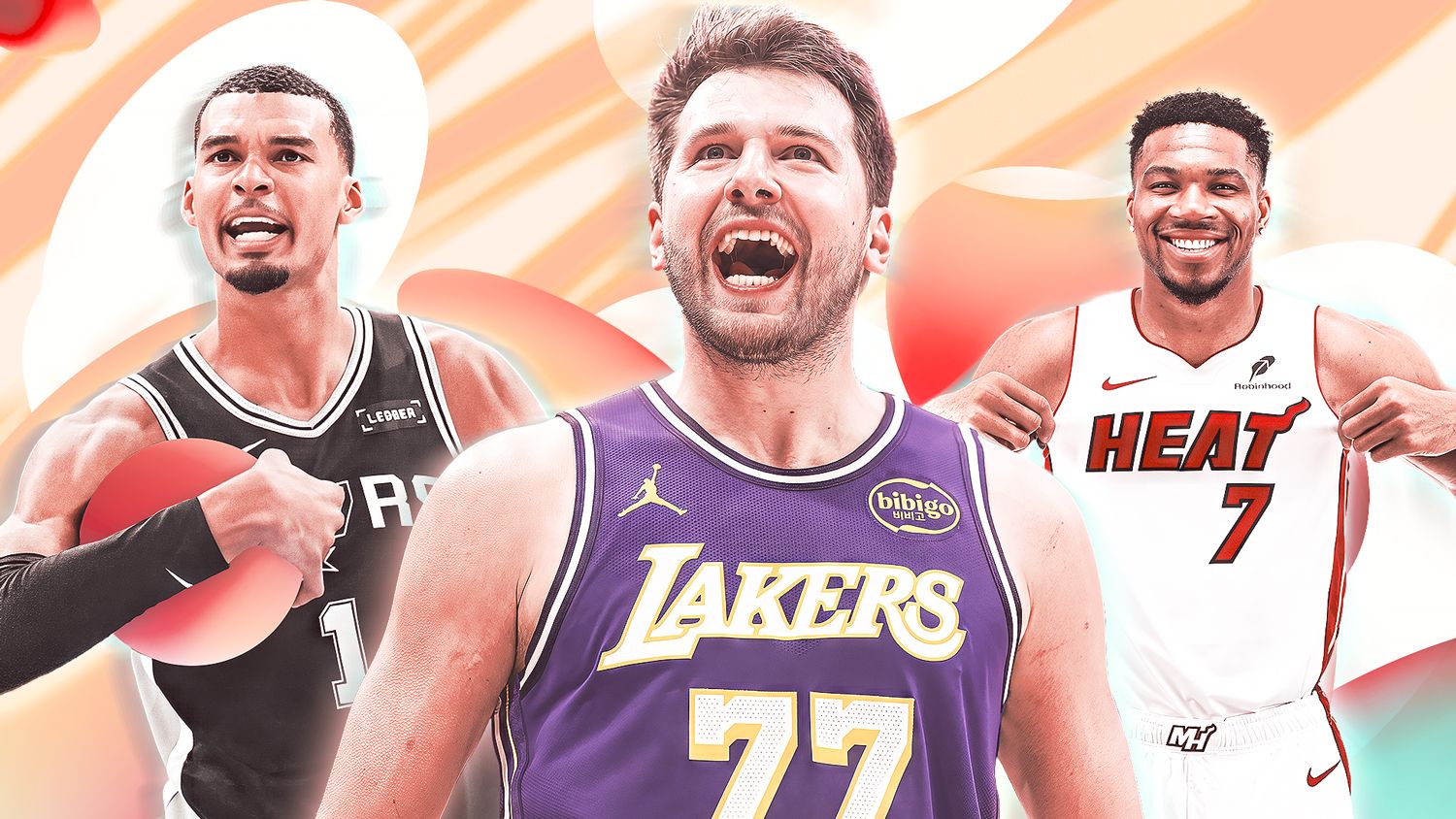
Mark Cuban identifies the 24-58 record during the 2017-2018 season as the definitive turning point that allowed the Dallas Mavericks to acquire Luka Doncic. This specific win-loss total positioned the franchise to secure the third overall pick via trade, a move that fundamentally altered the team's trajectory for the next seven years. Cuban, who recently transitioned to a minority ownership role, noted that the organization incurred a $600,000 fine from the league office during that period for public comments regarding the benefits of losing. He maintains that this financial penalty was a negligible price to pay for a generational talent who eventually moved to the Los Angeles Lakers in a 2025 transaction.
The NBA recently escalated its disciplinary actions against teams perceived to be manipulating rosters, levying a $500,000 fine against the Utah Jazz and a $100,000 sanction against the Indiana Pacers. These penalties were triggered by the decision to bench healthy contributors during the final stretch of the regular season. Cuban argues that such mandates force front offices into a state of dishonesty, where they must fabricate injuries to justify sitting veteran players. He contends that the league's current stance on integrity ignores the reality that fans are often more invested in the potential of a high draft pick than a meaningless late-season victory.
During his 23-year tenure as majority owner, Cuban observed that the business of professional basketball is primarily about the curation of emotional experiences rather than the technicalities of the sport. He asserts that the average spectator rarely recalls the specific field goal percentage or the exact number of turnovers from a game attended years prior. Instead, the focus remains on the atmosphere of the arena and the accessibility of the event for families. Cuban highlights that the escalating cost of attendance, including jersey prices and ticket packages for a family of four, represents a far greater threat to the league's health than the optics of a rebuilding season.
Commissioner Adam Silver utilized the platform of All-Star weekend to express concern over the current frequency of intentional losing, describing the trend as more prevalent this year than in previous cycles. Silver has openly discussed the possibility of stripping draft capital from organizations that fail to field competitive lineups consistently. Cuban counters this by suggesting that the league is misguided in its belief that every market demands a win-at-all-costs approach every night. He believes that for the 29 teams that do not win the championship trophy each year, the only valuable currency is the hope provided by a top-tier prospect entering the system.
The evolution of the amateur landscape has further complicated the rebuilding process, as college athletes now receive compensation for their performance through various financial channels. Cuban points out that these prospects are entering the professional ranks with higher basketball IQs and more developed physical frames than in previous decades. This shift means that the stakes for securing a top-three draft slot are higher than ever, as the gap between elite talent and rotational players continues to widen. The former Mavericks owner insists that the NBA must embrace transparency regarding these cycles of development rather than penalizing owners who are candid about their long-term objectives.
Financial accessibility remains the cornerstone of Cuban's philosophy regarding fan retention during losing seasons. He argues that a parent who is priced out of the arena is indifferent to the team's winning percentage, as the barrier to entry is economic rather than competitive. By focusing on making games affordable, teams can maintain a loyal base even when the on-court product is intentionally weakened to facilitate future success. Cuban suggests that the league's obsession with the 'integrity of the game' often overlooks the practical financial burdens placed on the supporters who fund the entire operation through ticket and merchandise sales.
The 2018 draft remains the primary evidence for Cuban’s advocacy of strategic losing, as the Mavericks' poor record facilitated the trade for Doncic's rights from the Atlanta Hawks. Without that specific 58-loss campaign, the franchise would likely have remained in a state of mediocrity, lacking the assets necessary to move up in the lottery. Cuban views the $600,000 fine as a historical footnote compared to the billions in valuation added by having a superstar on the roster. He believes the league should stop treating rebuilding as a clandestine activity and instead recognize it as a legitimate phase of franchise management that fans are willing to support if the goal is clear.
Ultimately, the tension between the league office and individual owners like Cuban centers on the definition of a successful season. While the NBA office prioritizes the quality of the nightly broadcast product for television partners, owners are tasked with the long-term viability of their specific markets. Cuban maintains that the 'special memories' created during a game are not diminished by a loss if the fans understand that the defeat is a stepping stone toward a championship parade. He calls for a shift in league policy that rewards honesty and prioritizes the financial well-being of the fan base over the enforcement of arbitrary competitive standards during the final weeks of the calendar.
Stay informed
Follow SportsNow.
Join the reader list for future briefings and important newsroom updates.
Reader conversation
Your take on the story
Stay with the story