Following a stellar 17-year career including a World Series title with the Yankees, the David Robertson retirement marks the end of an era for MLB relief pitching.
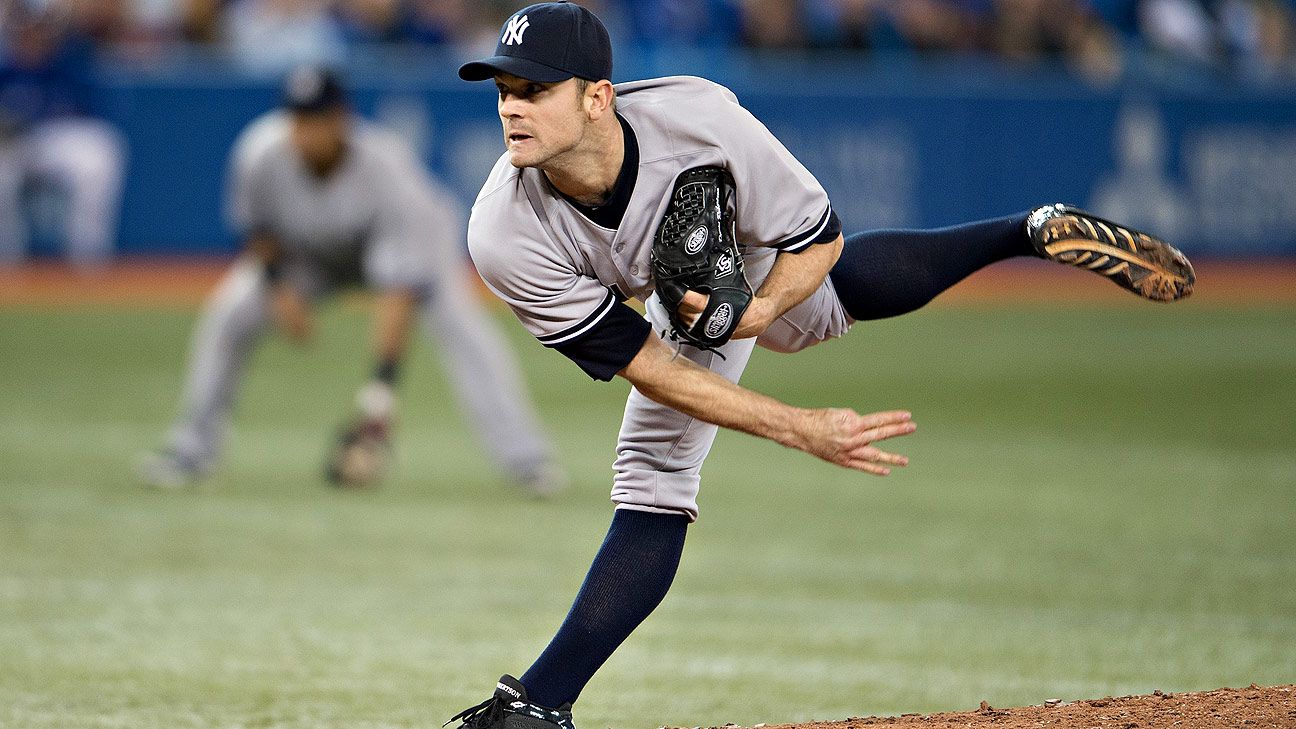
The landscape of Major League Baseball relief pitching changed significantly on Friday as one of the most consistent arms of the last two decades officially stepped away. The David Robertson retirement announcement brings to a close a 17-year journey that saw the right-hander evolve from a high-leverage set-up man for a dynasty to a reliable closer for multiple contenders. At 40 years old, Robertson leaves the game with a resume that few relievers in the modern era can match, highlighted by a World Series ring and a reputation for escaping the most stressful situations on the mound.
Robertson, affectionately nicknamed 'Houdini' for his uncanny ability to navigate out of bases-loaded jams without surrendering a run, finishes his career with 179 saves and over 1,000 strikeouts. His departure marks the end of a specific breed of reliever—one who was as comfortable pitching in the seventh inning as he was in the ninth. As news of the David Robertson retirement spreads throughout the league, teammates and rivals alike are reflecting on a career defined by longevity, poise, and a devastating power curveball.
From Tuscaloosa to the Bronx: The Rise of Houdini
David Robertson’s journey began at the University of Alabama before he was drafted by the New York Yankees in the 17th round of the 2006 MLB Draft. It didn't take long for the scouting department to realize they had found a diamond in the rough. By 2008, Robertson was making his debut in pinstripes, joining a bullpen that featured the greatest closer of all time, Mariano Rivera. It was under Rivera’s tutelage that Robertson learned the nuances of professional relief pitching.
His breakout campaign came in 2009, a year that would define his early career. Robertson became a vital cog in the Yankees' bullpen during their run to a 27th World Series championship. During that postseason, he displayed the 'Houdini' act that would become his trademark, providing scoreless relief in high-pressure situations against the Twins, Angels, and Phillies. The David Robertson retirement serves as a reminder of that 2009 squad, as he was one of the last active players from that championship roster.
A Legacy of Consistency and Versatility
While many relievers flame out after five or six seasons, Robertson’s durability was his greatest asset. Following his initial stint with the Yankees, he embarked on a journeyman's path that saw him suit up for the Chicago White Sox, Philadelphia Phillies, Tampa Bay Rays, Chicago Cubs, New York Mets, Miami Marlins, and Texas Rangers. Regardless of the uniform, the results remained remarkably consistent.
In 2011, Robertson earned an All-Star nod after posting a blistering 1.08 ERA over 66.2 innings. He was the bridge to Rivera, and when the legendary closer retired, Robertson stepped into the ninth-inning role with grace, proving he could handle the pressure of closing games in the media capital of the world. Even as he aged into his late 30s, the David Robertson retirement seemed far off because his velocity and spin rates remained competitive. In 2023, even at age 38, he was still a coveted asset at the trade deadline, helping teams push for the postseason.
Impact Beyond the Pinstripes
To view the David Robertson retirement solely through the lens of statistics would be a disservice to his impact on the clubhouse and the community. Robertson was widely regarded as a consummate professional and a mentor to younger pitchers. His charitable work, particularly through his 'High Socks for Hope' foundation—which he started following the devastating tornadoes in his hometown of Tuscaloosa in 2011—showed a man who understood his platform extended far beyond the diamond.
On the field, his 1,084 strikeouts in 844.1 innings pitched place him among the elite strikeout relievers in history. He finished his career with a 2.90 ERA, a figure that underscores his ability to prevent runs in an era dominated by high-octane offenses. He was a 'pure' pitcher, relying on a deceptive delivery and a curveball that scouts often described as 'falling off a table.'
What the David Robertson Retirement Means for MLB
As Robertson moves into the next chapter of his life, the David Robertson retirement leaves a void in the veteran leadership pool of Major League bullpens. He was a bridge between the old school of relief pitching—where roles were more defined—and the new school of analytics-driven matchups. He succeeded in both environments, proving that high-level spin and a calm demeanor are timeless traits.
For Yankees fans, he will always be remembered as the man who bridged the gap to Mo. For fans of the eight other franchises he played for, he was the reliable veteran who could be counted on when the game was on the line. As he hangs up his cleats, Robertson leaves the game with 179 saves, 17 years of service time, and the respect of every hitter who ever had to try and solve his curveball in the dirt. The David Robertson retirement is not just the end of a career; it is the celebration of a pitcher who mastered the hardest job in sports: coming into a mess and leaving with a clean slate.
Stay informed
Follow SportsNow.
Join the reader list for future briefings and important newsroom updates.
Reader conversation
Your take on the story
Stay with the story