FIFA announced a YouTube World Cup deal on Tuesday allowing rights-holding broadcasters to stream live game action and full matches to global audiences.
FIFA and YouTube finalized a World Cup deal on Tuesday that authorizes rights-holding broadcasters to stream live game action on the video platform. This partnership targets the upcoming tournament scheduled from June 11 to July 19, which will feature a total of 104 games. Under the terms of the agreement, FIFA is encouraging rights holders to broadcast the initial 10 minutes of matches to serve as an appetizer for young viewers, aiming to drive traffic toward traditional network TV channels.
Beyond the opening segments of play, broadcasters possess the authority to stream a select number of full matches on their specific YouTube channels. This initiative is designed to engage global audiences while simultaneously promoting where fans can locate the remainder of the competition. FIFA described the arrangement as a "game-changing partnership" intended to leverage the platform's global access to reach a younger demographic. The 2026 edition of the tournament will be co-hosted by the United States, Canada, and Mexico, marking a significant expansion in the competition's scale.
Digital Access and Creator Integration
The YouTube World Cup deal grants a global cohort of content creators unprecedented access to the 104-game tournament. This strategy builds upon the platform's previous involvement as a lower-tier sponsor during the 2022 World Cup in Qatar. During that event, creators were stationed on the ground to capture behind-the-scenes content. The new agreement expands this scope significantly for the North American event, though the specific financial value of the deal remains undisclosed by FIFA officials.
Broadcasters will use the platform to highlight iconic moments and historical context alongside live coverage. By offering the first 10 minutes of play, FIFA intends to hook viewers before transitioning them to primary rights-holding outlets. This tactical move addresses shifting media consumption habits among younger fans who prioritize digital platforms over linear television. The integration of creators is expected to provide a different perspective on the 104-game schedule compared to standard broadcast feeds.
Historical Archives and Past Match Content
As part of the agreement, FIFA pledged to release portions of its extensive World Cup archive on the platform. This digital library will include full-length matches from previous tournaments and various iconic moments from the sport's history. By providing these historical assets, the organization seeks to maintain year-round engagement leading up to the June 11 kickoff. The archival footage serves as a supplementary component to the live streaming rights granted to international broadcasters.
The 'Futbol Americas' crew has already begun debating the implications of the upcoming tournament, specifically questioning if Mauricio Pochettino faces serious pressure to deliver success for the USMNT as a host nation. The 2026 World Cup represents the first time the event will be shared across three North American countries. The inclusion of full matches on YouTube channels marks a departure from previous restrictive streaming policies, allowing rights holders more flexibility in how they distribute the 104 games to their respective territories.
Strategic Impact on Global Viewership
The collaboration aims to maximize the visibility of the June 11-July 19 tournament window. By utilizing YouTube's infrastructure, FIFA ensures that game action is accessible in regions where traditional network TV may have less penetration among youth. The strategy of using 10-minute segments as a promotional tool is a specific effort to bridge the gap between social media platforms and rights-holding networks.
While the 2022 Qatar deal focused primarily on behind-the-scenes footage, the 2026 partnership elevates the platform to a primary distribution tool for live match segments. The unprecedented access promised to creators will span all host cities across the United States, Canada, and Mexico. This multi-layered approach—combining live snippets, full select matches, historical archives, and creator-led content—forms the backbone of FIFA's digital strategy for the largest World Cup in history. The organization continues to emphasize that these digital efforts are intended to complement, rather than replace, the traditional viewing experience provided by major broadcasters.
Stay informed
Follow SportsNow.
Join the reader list for future briefings and important newsroom updates.
Reader conversation
Your take on the story
Stay with the story
Related coverage
Open desk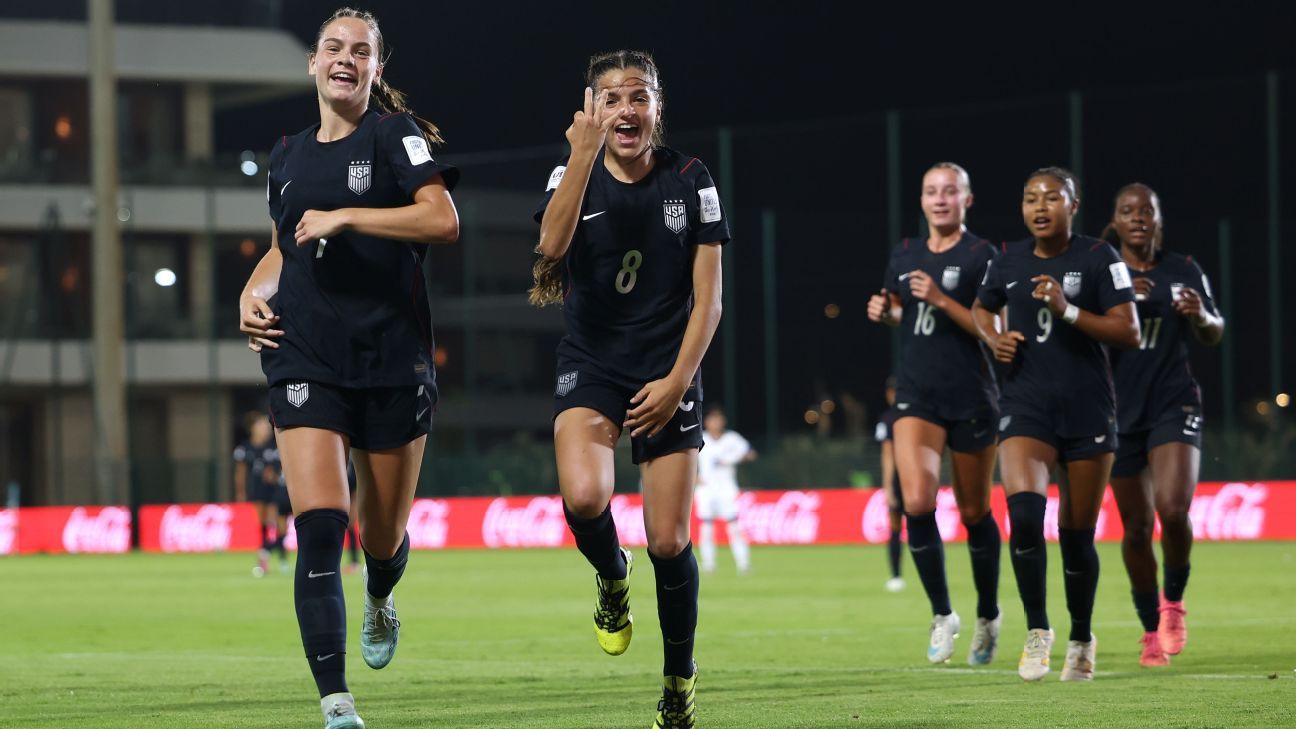
USWNT U17 Crushes Samoa 17-0 to Set FIFA World Cup Scoring Record
UEFA Demands FIFA Responses on $20B World Cup Plan and Balogun Red Card Reversal