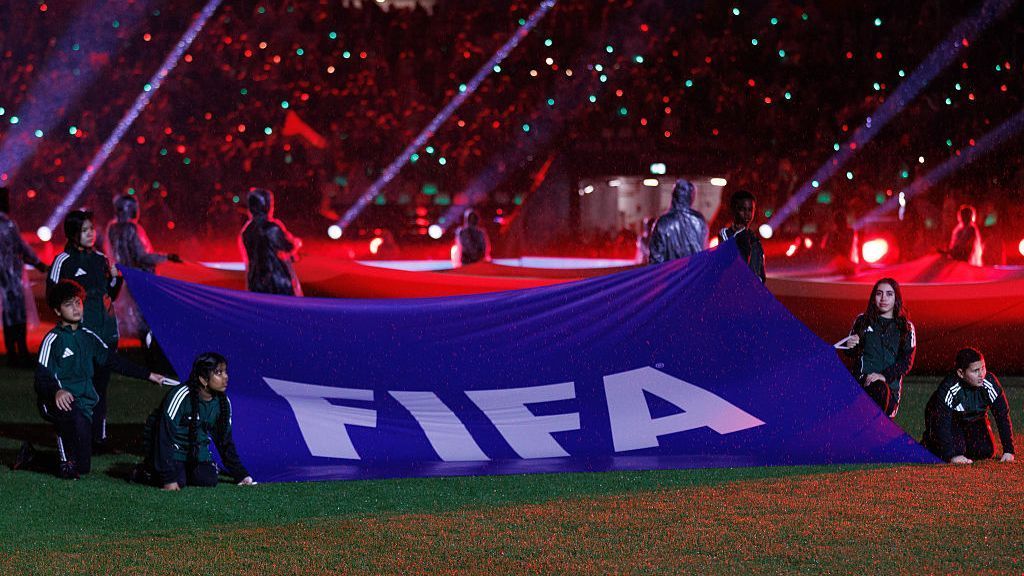
Football fans across the globe are setting new records as FIFA reports an unprecedented half a billion requests for seats at this year’s tournament.
Global Fever: FIFA Swamped by Staggering 500 Million World Cup Ticket Requests
The world is officially ready for kickoff, and the numbers prove it. FIFA announced on Wednesday that ticket applications for this year’s World Cup have shattered all previous expectations, soaring past the 500 million mark. This tidal wave of interest underscores the tournament's status as the planet’s premier sporting event, signaling a level of global anticipation that has organizers working overtime to manage the unprecedented demand for World Cup tickets. The sheer scale of these applications not only reaffirms football's unparalleled global reach but also sets a new benchmark for fan engagement in major sporting events. This incredible figure, accumulated during the initial application phases, far outstrips previous World Cup cycles, hinting at a truly historic tournament ahead.
While the sheer volume of requests is staggering, it also highlights the logistical mountain FIFA must climb to ensure a fair and equitable distribution of seats. With stadiums capable of holding only a fraction of those 500 million hopefuls, the upcoming random selection draws are set to be some of the most competitive in the history of the sport. Fans from every corner of the map are vying for a chance to witness history, turning the World Cup ticket portal into a digital battlefield of hope and nerves. The allocation process, which typically involves multiple phases including random draws and first-come, first-served sales, will be under intense scrutiny. Ensuring transparency and fairness in the distribution of these highly coveted World Cup tickets is paramount to maintaining fan trust and the integrity of the process. The complexity of managing such a massive database of applications, verifying identities, and processing payments securely adds layers of challenge for FIFA's ticketing operations team.
Industry analysts suggest that this surge isn't just about the enduring love of the beautiful game, but a testament to the pent-up energy of a global fan base eager for a return to massive, shared experiences. After years of pandemic-related restrictions and scaled-back events, there's a palpable hunger for collective celebration and the unique atmosphere that only a World Cup can provide. As the tournament draws nearer, the ‘World Cup Fever’ isn't just a metaphor—it is a measurable phenomenon, reflected in these astonishing World Cup ticket application numbers. For the lucky few who secure a seat, they won’t just be watching a match; they’ll be part of an exclusive group representing the half-billion dreamers who dared to hit ‘submit.’ Their experience will be more than just a game; it will be a testament to perseverance and passion, a memory etched forever in the annals of football history.
The Economic Ripple Effect of Sky-High Demand
The unprecedented demand for World Cup tickets extends far beyond the stadium turnstiles, creating a significant economic ripple effect across various sectors. Host cities and nations stand to benefit immensely from this global influx of interest. The tourism industry, in particular, is bracing for a boom, with hotels, airlines, restaurants, and local businesses all anticipating record-breaking revenues. The sheer number of fans attempting to secure World Cup tickets suggests that millions, even if unsuccessful in obtaining match access, will still travel to the host country to soak in the atmosphere, attend fan festivals, and experience the cultural vibrancy surrounding the tournament. This 'secondary' tourism market, driven by the desire to be close to the action, further amplifies the economic impact.
Moreover, the high demand for World Cup tickets inevitably fuels a robust secondary market, despite FIFA's efforts to regulate it. While official channels aim for fair pricing, the scarcity of tickets at face value often leads to inflated prices on unofficial platforms. This phenomenon, while controversial, underscores the immense value placed on experiencing the World Cup live. Beyond direct ticket sales, merchandise, broadcasting rights, and sponsorship deals also see a surge in value and interest, directly correlated with the global excitement generated by such overwhelming fan demand. The economic implications are multifaceted, demonstrating how the World Cup transcends sport to become a major global economic driver, with World Cup tickets acting as the primary catalyst for this financial momentum.
The Challenge of Inclusivity and Accessibility
While the colossal number of World Cup ticket applications is a testament to the tournament's universal appeal, it also brings to the forefront significant challenges regarding inclusivity and accessibility. With 500 million applications for a finite number of seats – typically ranging from 2.5 to 3.5 million over the entire tournament – the vast majority of applicants will inevitably be disappointed. This disparity raises questions about how FIFA can ensure that the World Cup remains accessible to a diverse global audience, not just those with the financial means or sheer luck to secure a coveted spot. The random draw system, while designed to be fair, inherently excludes many passionate fans.
FIFA's efforts to offer various ticket categories, including those specifically for residents of the host nation and accessibility tickets for fans with disabilities, are crucial steps. However, the sheer scale of demand means that even these provisions are stretched thin. The challenge lies in balancing the commercial imperatives of hosting such a massive event with the desire to make it a truly global celebration that feels within reach for fans from all socio-economic backgrounds. Future World Cup bidding processes might need to consider not just stadium capacity, but also broader infrastructure and strategies to accommodate the ever-growing global demand for World Cup tickets, ensuring that the 'beautiful game' remains a spectacle for the many, not just the privileged few. The conversation around affordability and equitable access will undoubtedly continue as the tournament approaches and the final World Cup tickets are allocated.
Stay informed
Follow SportsNow.
Join the reader list for future briefings and important newsroom updates.
Reader conversation
Your take on the story
Stay with the story
Related coverage
Open desk
FIFA Proposes $25 Million Payout for Each National Association
UEFA Demands FIFA Responses on $20B World Cup Plan and Balogun Red Card Reversal