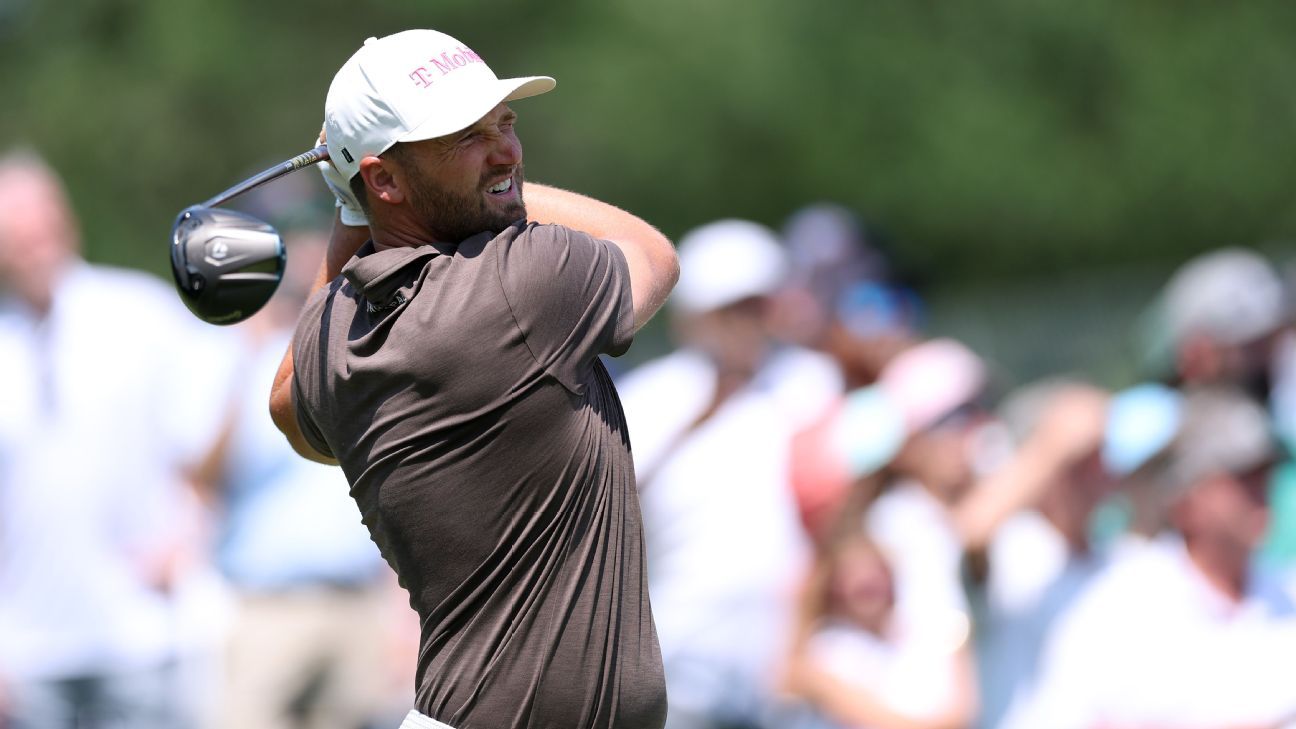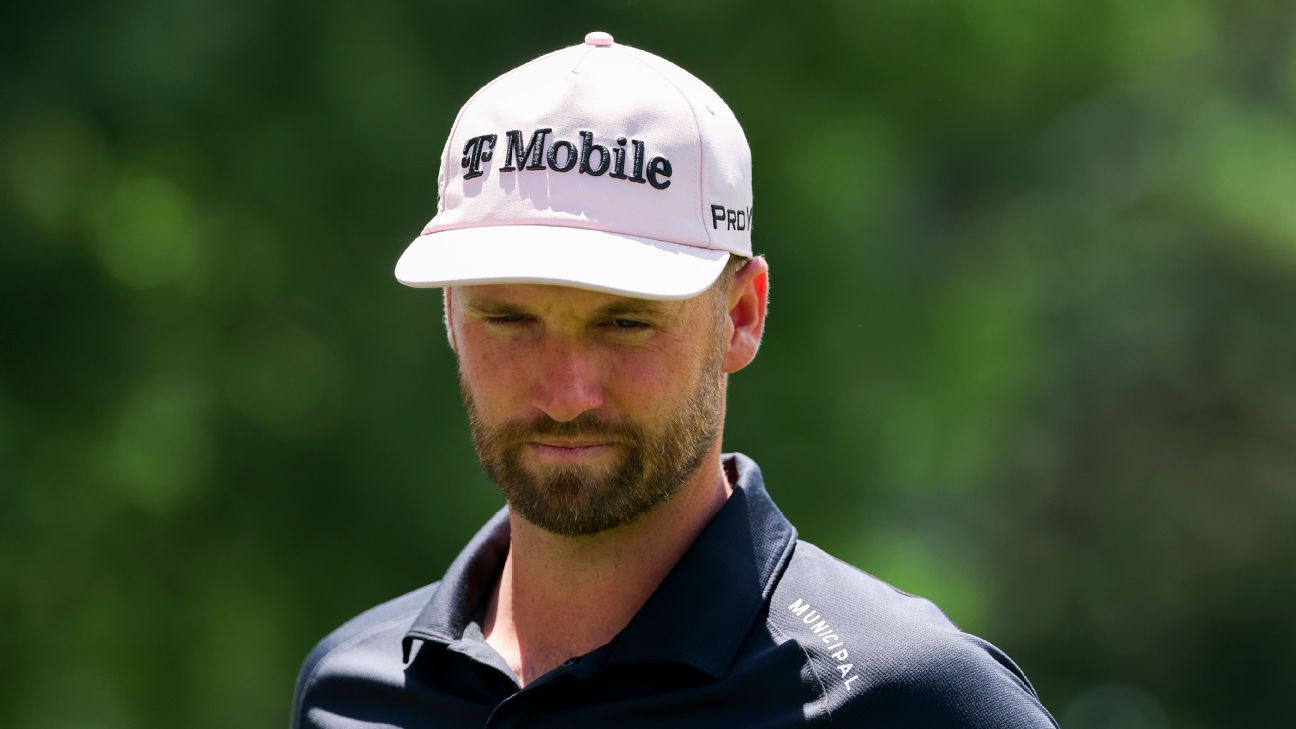
Reigning U.S. Open champion Wyndham Clark expressed mixed emotions regarding Brooks Koepka’s reintegration into the PGA Tour, suggesting the LIV defector bypassed necessary consequences.
Grace Period or Free Pass? Wyndham Clark Questions the Cost of Brooks Koepka’s PGA Return
The uneasy truce between the PGA Tour and its former defectors is far from settled, and Wyndham Clark isn't afraid to say the quiet part out loud. Speaking candidly on SiriusXM, the 2023 U.S. Open winner voiced a sentiment likely shared by many in the locker room: Brooks Koepka’s return to the fold feels a bit too much like having your cake and eating it, too. This sentiment from Wyndham Clark Koepka's situation highlights a deep-seated frustration among players who remained loyal to the PGA Tour.
While Clark acknowledged the undeniable prestige that a five-time major champion brings to any field, he struggled with the lack of friction in Koepka’s homecoming. After Koepka initially chased the massive payouts of the Saudi-backed LIV Golf circuit, his seamless slide back into the PGA Tour conversation has left some of the 'loyalists' wondering if there was ever a price to be paid for leaving in the first place. The perception of an easy return for players like Koepka, who departed for significant financial gain, has created a sense of injustice among those who chose to uphold their commitments to the PGA Tour, often at a personal financial cost. Wyndham Clark Koepka's comments underscore this simmering resentment.
'I’m torn,' Clark admitted, highlighting the paradox of the professional golf landscape. While he noted he is personally happy to see a competitor of Koepka's caliber back in the mix, he argued that players who jumped ship should have faced 'a few more repercussions.' For Clark, the easy reintegration risks undermining those who stayed behind during the height of the sport's civil war. The U.S. Open champion’s remarks suggest that the lack of punitive measures for defectors could set a dangerous precedent, implying that loyalty is not valued as highly as it once was. This perspective from Wyndham Clark Koepka's return is not an isolated one, but rather a reflection of broader concerns within the professional golf community.
As the PGA Tour continues to navigate its complex framework with the Public Investment Fund, Clark’s comments serve as a reminder that cultural wounds remain unhealed. For the fans, seeing Koepka back is a win for the product; for the players who held the line, it represents a murky precedent where loyalty is optional and the exit door is always a revolving one. The ongoing negotiations and potential merger only amplify these feelings, as the future structure of professional golf remains uncertain, leaving many players to question the long-term implications of their past decisions and the perceived lack of accountability for others. The candidness of Wyndham Clark Koepka's critique resonates deeply within this context.
The Loyalty Divide: A Deeper Look at Player Sentiment
Wyndham Clark's outspokenness regarding Brooks Koepka's return is not just a personal opinion; it reflects a significant schism within the professional golf ranks. The 'loyalists' – those who resisted the allure of LIV Golf's lucrative contracts – often feel that their commitment was undervalued, while the 'defectors' are now seemingly welcomed back with open arms, or at least without significant consequence. This divide goes beyond mere financial considerations; it touches upon principles of integrity, commitment, and the very fabric of professional sportsmanship. Many players, like Clark, made a conscious decision to remain with the PGA Tour, often citing heritage, competitive structure, and the perceived integrity of the tour. They sacrificed immediate financial gain, believing in the long-term value and tradition of the established circuit.
The swiftness with which the narrative around players like Koepka has shifted, from pariah to welcome competitor, has left a bitter taste. While the PGA Tour's strategic alliance with the Public Investment Fund (PIF) of Saudi Arabia necessitates a degree of reconciliation, the implementation of this reconciliation is under intense scrutiny. Players like Wyndham Clark Koepka's situation highlight the need for a more transparent and equitable process. Without clear guidelines or acknowledged penalties for those who left, the perception will persist that the PGA Tour is willing to overlook past transgressions for the sake of star power and financial expediency. This could erode trust among its current members and complicate future efforts to maintain unity within the sport.
The Business of Golf vs. The Spirit of Competition
The tension articulated by Wyndham Clark Koepka's comments perfectly encapsulates the ongoing struggle between the commercial realities of professional golf and the traditional spirit of competition and loyalty. On one hand, the PGA Tour, as a business entity, benefits immensely from having top-tier talent like Brooks Koepka competing in its events. Koepka's five major championships and undeniable star power draw eyeballs, increase viewership, and attract sponsors – all crucial elements for the tour's financial health and global appeal. From a purely business perspective, his reintegration, regardless of past affiliations, is a net positive for the 'product' of professional golf. This is the perspective favored by many fans and perhaps by the tour's leadership as they navigate a complex financial landscape.
However, the 'spirit of competition' side, championed by players like Wyndham Clark, argues that there's a moral and ethical cost to this purely transactional approach. They believe that upholding loyalty and commitment to the tour should carry weight, and that those who prioritized personal financial gain over the collective good of the PGA Tour should face some form of accountability. The absence of such repercussions, in Clark's view, cheapens the value of loyalty and could incentivize future departures if similar opportunities arise. This dichotomy presents a significant challenge for the PGA Tour: how to balance the need for star power and financial stability with the imperative to maintain player morale, uphold a sense of fairness, and preserve the integrity of its competitive structure. The ongoing debate, fueled by voices like Wyndham Clark Koepka's, suggests that a truly harmonious resolution is still a long way off.
Precedent and Future Implications for Player Movement
The concerns raised by Wyndham Clark Koepka's seemingly frictionless return extend far beyond the current situation; they establish a powerful precedent for future player movement and loyalty within professional golf. If top players can leave for rival tours, secure massive financial windfalls, and then return to the PGA Tour without significant penalties or a 'grace period' that involves some form of restitution or suspension, it fundamentally alters the landscape of player contracts and commitments. This could empower future generations of golfers to leverage competing tours against the PGA Tour, knowing that the door for a return will likely remain open, regardless of their prior actions.
Clark's desire for 'a few more repercussions' speaks to the need for clear boundaries and consequences. Without them, the PGA Tour risks fostering an environment where loyalty is indeed optional, and the perceived 'civil war' becomes a revolving door of talent. This could undermine the tour's ability to retain its stars and negotiate favorable terms with sponsors, as the stability of its player roster becomes increasingly uncertain. The framework agreement with the PIF, while aiming to unify the sport, must also address these underlying cultural and ethical considerations to truly heal the divisions. The sentiments expressed by Wyndham Clark Koepka are a vital barometer of the player community's feelings, and ignoring them could have long-term detrimental effects on the PGA Tour's standing and the overall health of professional golf.
Stay informed
Follow SportsNow.
Join the reader list for future briefings and important newsroom updates.
Reader conversation
Your take on the story
Stay with the story
Related coverage
Open desk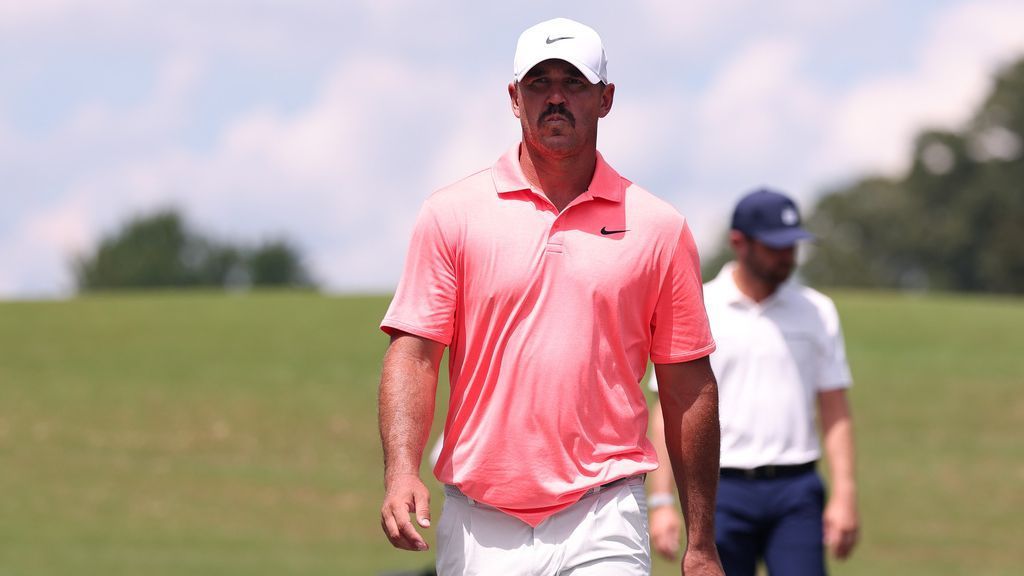
Brooks Koepka Labels Season 'Pathetic' After Missing FedEx Cup Playoffs
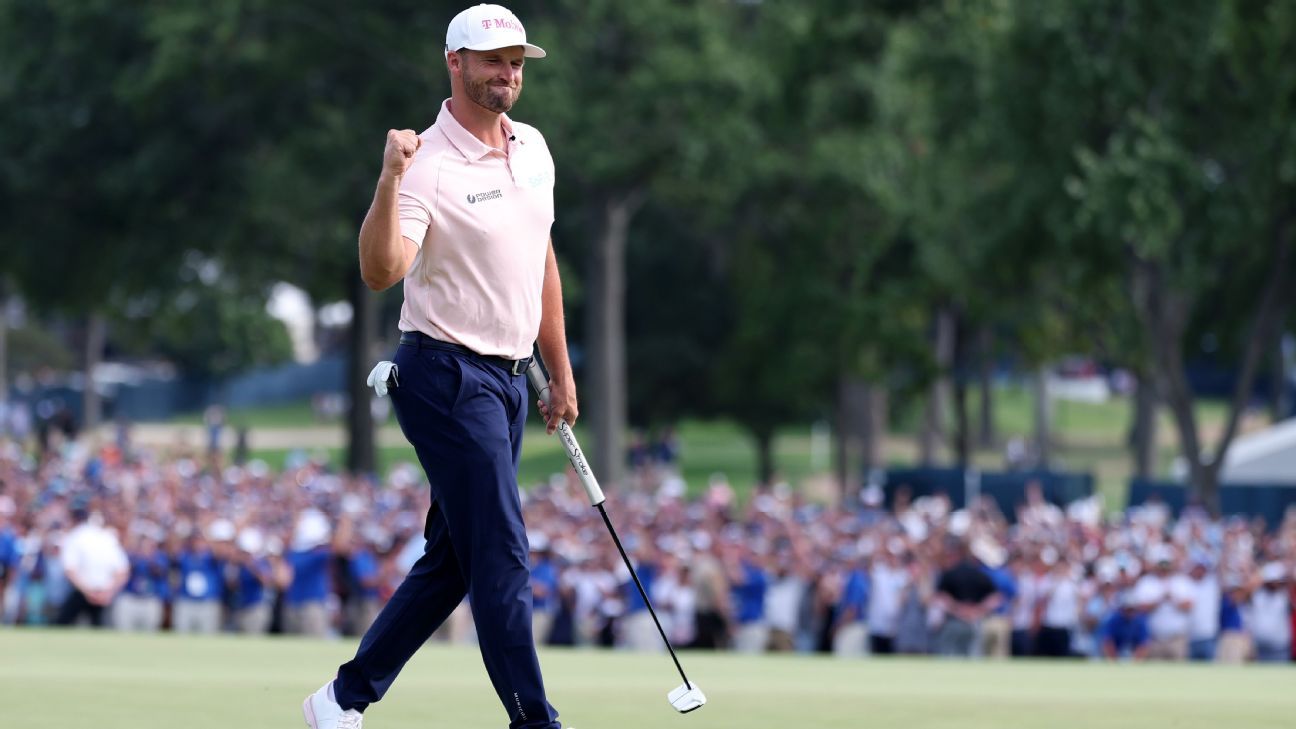
Wyndham Clark Shoots 17-Under 263 at Bellerive for Three-Shot BMW Victory