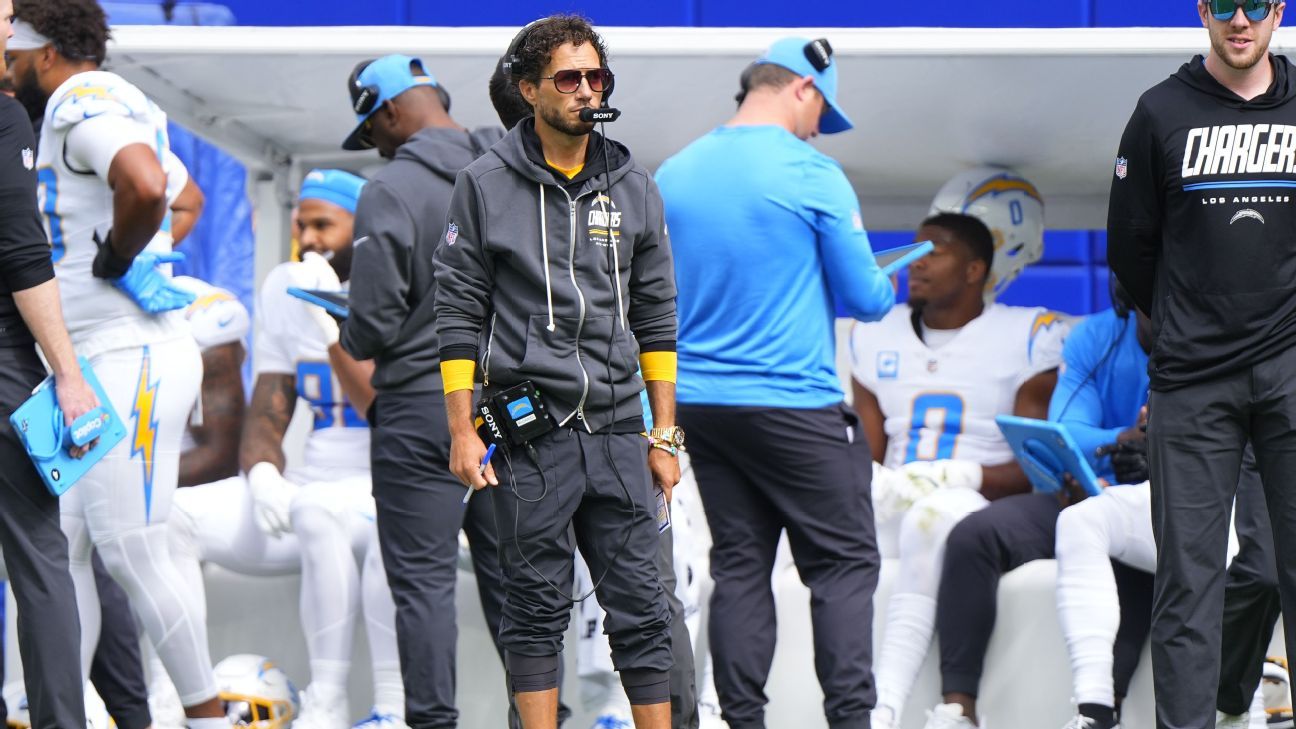
A decade-long study highlights a troubling divergence in mental health outcomes, showing that retired NFL players faced significantly higher suicide rates than their peers in baseball and basketball.
Gridiron Shadows: New Harvard Study Reveals Rising Suicide Rates Among Former NFL Players
For decades, the toll of an NFL career was measured in broken bones and limping gaits, but a sobering new study from Harvard University suggests the most dangerous scars may be the ones hidden from view. Researchers tracking the post-career lives of elite athletes found that suicide rates among former NFL players surged between 2011 and 2019, creating a stark statistical gap when compared to retired athletes from the NBA and MLB. This alarming trend brings into sharp focus the often-overlooked mental health struggles that can plague athletes long after their playing days are over, particularly within the high-impact world of professional football.
While professional baseball and basketball players saw their rates remain relatively stable or even decline during the same period, the football cohort experienced a troubling upward trend. The study, which analyzed thousands of former competitors across these major leagues, underscores a growing mental health crisis within the football community—one that persists despite increased league-wide investments in player safety and transition programs. The data suggests that current efforts, while commendable, may not be adequately addressing the unique and severe challenges faced by former NFL players, leading to a tragic increase in NFL player suicides.
Experts point to a complex 'perfect storm' of factors unique to the gridiron that contribute to this disturbing phenomenon. The brutal physical nature of the sport, particularly the prevalence of repetitive head impacts and chronic pain, often leads to a debilitating cycle of social isolation and neurological decline. When the roar of the stadium fades, and the adrenaline-fueled existence of game day becomes a distant memory, many players find themselves battling not just the difficult transition to civilian life, but a profound physiological breakdown that can severely impact cognitive function, emotional regulation, and overall well-being. This confluence of physical trauma and psychological distress is a critical driver behind the rise in NFL player suicides.
This data serves as a profound wakeup call for the entire sports world, highlighting that the end of a jersey's tenure is often just the beginning of a player's most difficult fight. As the league continues to grapple with the long-term effects of the game, this study emphasizes that mental health support cannot be a secondary concern; it must be as rigorous, proactive, and well-funded as the treatment given to a torn ACL or a fractured limb. The urgency of addressing NFL player suicides demands a comprehensive and compassionate approach.
For those within the NFL community, the findings are more than just numbers—they represent teammates, friends, and icons lost too soon. The hope is that by identifying this widening disparity, organizations can better tailor their resources to provide a safety net that catches players long before they reach a point of no return, effectively preventing further NFL player suicides.
The Lingering Shadow of CTE and Chronic Pain
One of the most significant, albeit often unquantified, contributors to the mental health struggles and increased NFL player suicides among former players is the pervasive issue of Chronic Traumatic Encephalopathy (CTE). While the Harvard study primarily focused on suicide rates, the known link between repetitive head trauma, CTE, and symptoms like depression, impulsivity, and cognitive decline cannot be ignored. The physical toll of playing football, characterized by countless collisions and sub-concussive hits, creates a fertile ground for neurological damage that may not manifest until years after retirement. This delayed onset of symptoms makes it incredibly difficult for players to connect their current struggles to their past careers, often leaving them feeling isolated and misunderstood.
Beyond CTE, chronic pain is another insidious factor. Years of high-impact collisions, surgeries, and relentless training regimens leave many former players with debilitating physical ailments. This constant pain can severely impact quality of life, disrupt sleep, and lead to reliance on pain medication, which itself carries risks. The psychological burden of living with unremitting pain, coupled with the loss of identity and purpose post-retirement, can create a desperate situation where suicide begins to appear as an escape. The interplay between physical suffering and mental anguish is a critical element in understanding the rise of NFL player suicides.
The Systemic Challenges of Transition and Identity
The transition from the highly structured, high-stakes world of professional football to civilian life is inherently challenging for many athletes, but particularly so for NFL players. Their identities are often inextricably linked to their athletic prowess and their role on a team. When that identity is stripped away, and the constant adulation and camaraderie disappear, a profound sense of loss and disorientation can set in. This identity crisis is compounded by the fact that many players enter the league at a young age, often foregoing traditional higher education or career planning in pursuit of their football dreams.
Upon retirement, they may find themselves ill-equipped for the job market, lacking transferable skills, or struggling to find a new purpose that rivals the intensity and fulfillment of playing in the NFL. The financial pressures, especially for those who didn't achieve superstar contracts, can also be immense. The combination of lost identity, financial strain, and a lack of clear direction can lead to feelings of hopelessness, anxiety, and depression. The league's transition programs, while improving, often struggle to address the deep psychological and existential void left by the end of a football career, leaving many vulnerable to the despair that can lead to NFL player suicides. The Harvard study powerfully underscores the need for more robust, personalized, and long-term support systems that extend well beyond the immediate post-retirement period.
The implications of this Harvard study are far-reaching, demanding a collective response from the NFL, player associations, medical professionals, and the broader sports community. It's no longer enough to simply acknowledge the physical risks of the game; the mental and emotional aftermath requires equal, if not greater, attention. By shining a light on the tragic increase in NFL player suicides, this research provides a crucial impetus for change, urging stakeholders to prioritize mental wellness with the same fervor and resources currently dedicated to physical rehabilitation. Only through a holistic and sustained effort can the league hope to protect its most valuable assets—its players—long after they hang up their cleats.
Stay informed
Follow SportsNow.
Join the reader list for future briefings and important newsroom updates.
Reader conversation
Your take on the story
Stay with the story