As the tennis world descends upon Melbourne Park, we break down the elite titans chasing the trophy and the dark horses ready to shatter the bracket.
Heat, Hard Courts, and History: Setting the Stakes for the Australian Open
The blue hard courts of Melbourne Park are ready to sizzle as the first Grand Slam of the year arrives, bringing with it the familiar electric atmosphere of the 'Happy Slam.' For the elite tier of the tour, the Australian Open represents a high-stakes sprint to establish dominance for the season ahead. It's not merely a tournament; it's a statement, a declaration of intent for the grueling ten months of tennis that follow. All eyes remain fixed on the perennial heavyweights who have turned Rod Laver Arena into their personal fortress, etching their names into the tournament's storied history. But beneath the surface of the draw, a collection of hungry challengers is waiting for a single moment of weakness to strike, eager to write their own chapters in the annals of the Australian Open.
At the top of the food chain, the conversation begins and ends with tactical mastery and physical endurance. The favorites aren't just playing against their opponents; they are playing against history, against the weight of expectation, and against the relentless pressure of a Grand Slam. For the men, it is a battle of generational torch-passing, where the old guard’s defensive brilliance, honed over decades of Grand Slam battles, meets the raw, unbridled power and fearless aggression of the youth movement. The likes of Novak Djokovic, with his unparalleled record at the Australian Open, stand as formidable barriers, but the rising stars are knocking ever louder, armed with blistering serves and audacious forehands. On the women’s side, the field remains a fascinating tactical puzzle, where the world number one's clinical precision, consistency, and mental fortitude must withstand the barrage of heavy hitters capable of red-lining their game for seven straight matches. The depth in the women's game means that any given day can produce an upset, making every match a must-watch spectacle at the Australian Open.
However, the Australian Open is historically famous for its 'Melbourne Magic'—those unexpected deep runs by underdogs who thrive in the punishing heat and unique conditions. These dark horses often possess a specific weapon, whether it’s a devastating serve that can steal free points, an unorthodox variety that disrupts opponents' rhythms, or an unwavering belief that allows them to punch above their weight. While the experts lean toward the safe bets, the true drama lies in the early-round minefields where a former champion seeking a resurgence or a surging teenager with nothing to lose could easily flip the script and turn the rankings upside down. The sheer unpredictability is what makes the Australian Open so captivating, offering narratives of triumph and heartbreak in equal measure.
Success in Melbourne requires more than just world-class groundstrokes; it demands a unique mental fortitude to survive the elements. Between the unpredictable wind that can wreak havoc on service tosses and groundstrokes, and the grueling afternoon sun that saps energy and tests endurance, the player who lifts the trophy will be the one who best manages the chaos. The ability to adapt, to conserve energy, and to maintain focus through long, arduous matches under extreme conditions is paramount. Whether we witness the continued reign of a legend cementing their place in history or the crowning of a first-time Major winner announcing their arrival on the biggest stage, one thing is certain: the road to the Australian Open title is paved with no easy matches. Every point, every game, every set will be fiercely contested.
The Physical and Mental Gauntlet of the Australian Summer
Beyond the tactical battles and historical implications, the Australian Open presents a unique physical and mental gauntlet that separates the truly elite from the merely excellent. The timing of the tournament, at the height of the Australian summer, means players are often competing in temperatures exceeding 35 degrees Celsius (95 degrees Fahrenheit), sometimes even pushing into the low 40s. This extreme heat doesn't just make for uncomfortable playing conditions; it fundamentally alters the game. Balls fly faster, making control more challenging, and the relentless sun can cause fatigue, dehydration, and even heatstroke if not managed meticulously. Players spend weeks leading up to the Australian Open acclimatizing, employing specialized training regimes, and focusing intently on hydration and recovery strategies.
The mental toll is equally significant. Maintaining composure when your body is screaming for relief, making critical decisions when your mind is foggy from the heat, and enduring five-set epics under the scorching sun requires a level of mental toughness that few other tournaments demand. The player who can consistently execute their game plan while battling both an opponent and the elements will ultimately prevail. This aspect of the Australian Open often leads to dramatic comebacks and unexpected collapses, as even the fittest athletes can be pushed to their absolute limits. The ability to embrace the suffering, to find a second wind when all seems lost, is a hallmark of an Australian Open champion.
The Evolving Landscape: Technology and Strategy
The modern Australian Open also serves as a fascinating showcase for the evolving landscape of tennis, particularly concerning technology and strategy. With Hawk-Eye Live now a staple on many courts, the traditional line judges have been replaced by automated calls, leading to fewer disputes and a faster pace of play. This technological integration not only enhances accuracy but also subtly shifts the mental dynamic for players, who must trust the system implicitly. Furthermore, the increasing sophistication of data analytics allows coaches and players to dissect opponents' games with unprecedented detail, leading to highly tailored match strategies.
However, even with all the data, the human element remains supreme. The ability to adapt mid-match, to read an opponent's body language, and to conjure up a moment of brilliance under pressure cannot be quantified by algorithms. The strategic chess match between players, particularly in the later rounds, becomes a masterclass in anticipation, deception, and execution. Serve and volley tactics, while less common on hard courts, can still be deployed effectively to break rhythm, while the relentless baseline grinding demands incredible consistency and power. The Australian Open is a crucible where traditional tennis virtues meet modern athletic prowess and technological advancement, creating a dynamic and endlessly engaging spectacle for fans worldwide.
Stay informed
Follow SportsNow.
Join the reader list for future briefings and important newsroom updates.
Reader conversation
Your take on the story
Stay with the story
Related coverage
Open desk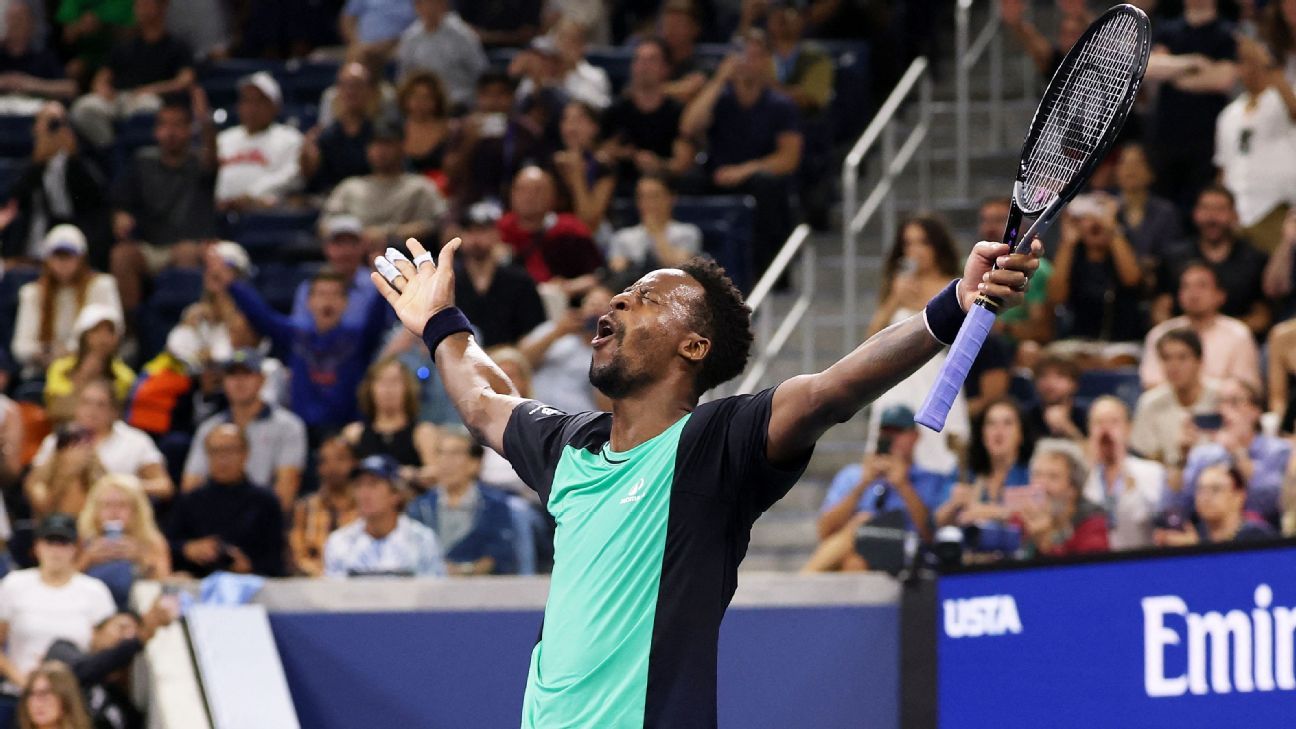
Gael Monfils Beats Vallejo 2-6, 6-1, 6-2, 6-0 to Make US Open History at 40

Alcaraz, Gauff, and Sinner Set for 1 Point Slam at Australian Open