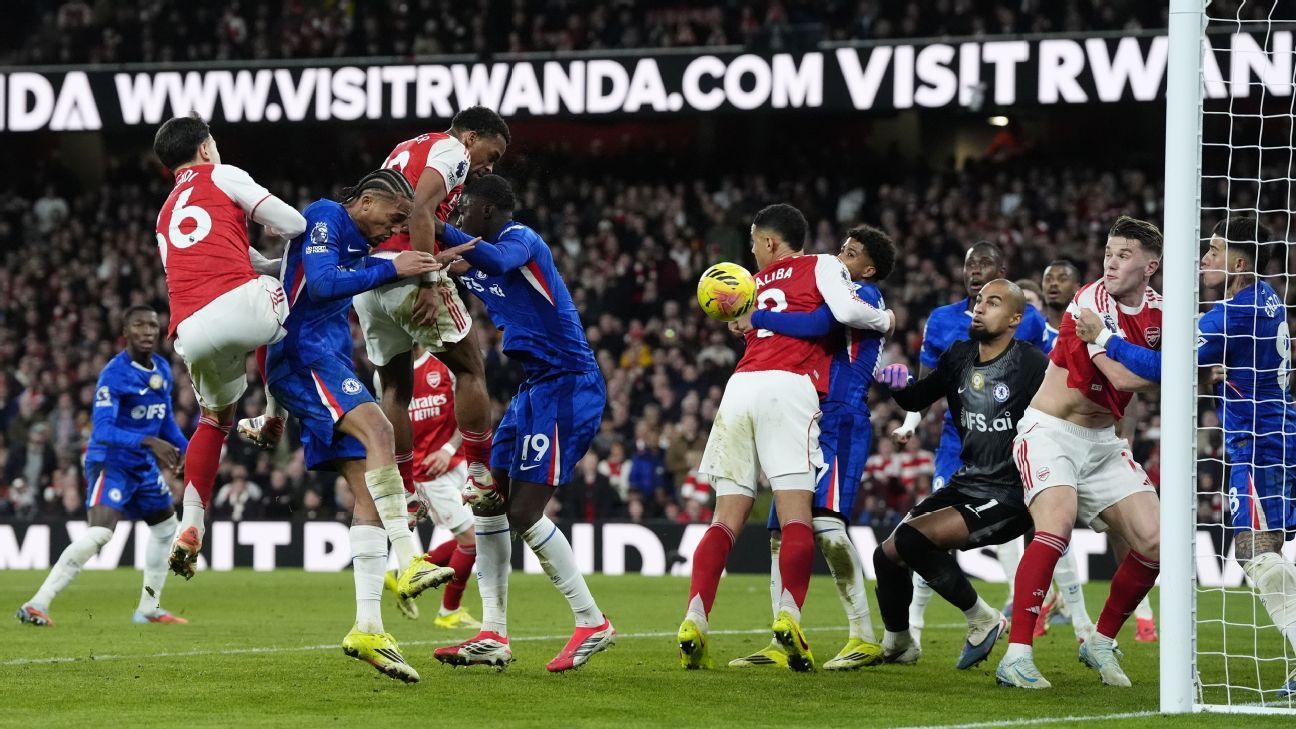
FIFA has announced it will not introduce new regulations to combat grappling and holding during corner kicks as IFAB player conduct metrics show no decline.
The International Football Association Board (IFAB) has officially determined that IFAB player conduct during corner kicks is not deteriorating, leading FIFA to maintain its current regulatory framework. During the most recent technical subcommittee meetings, officials analyzed data regarding the frequency of grappling and holding in the penalty area. The governing body concluded that no plans will be implemented to introduce specific rule changes or new measures to address these physical exchanges. This decision ensures that the existing Laws of the Game will continue to govern all set-piece interactions without additional intervention from soccer's primary lawmakers.
FIFA officials reviewed the growing issue of holding during set plays and concluded that the current situation does not warrant an immediate shift in policy. While grappling remains a visible part of the modern game, the assessment from IFAB suggests that the behavior has reached a plateau rather than a point of escalation. Consequently, referees will continue to utilize their standard discretion when identifying fouls during these high-traffic moments in the box. The lack of new measures indicates a vote of confidence in the ability of match officials to manage these incidents under the current statutes.
The specific focus on grappling and holding at corners highlights a tactical area where defenders and attackers frequently engage in physical battles for position. IFAB’s data-driven perspective suggests that while these actions are prevalent, they do not represent a deteriorating trend in professional soccer. By opting against new penalties or technological interventions for these specific instances, the organization avoids adding further complexity to the officiating process. This stance prioritizes the flow of the game over the implementation of micro-regulations for set-piece contact.
Because no new measures are being integrated into the rulebook, the responsibility for managing player conduct remains solely with the on-field officiating crew and the existing VAR protocols. The determination that conduct is not worsening provides a baseline for how physical play will be monitored in upcoming international and domestic cycles. Teams can expect a continuation of the status quo regarding how much contact is permitted before a foul is whistled. This stability in the rules allows coaching staffs to maintain their current defensive and offensive corner kick schemes without fear of sudden regulatory shifts.
Statistical reviews conducted by the technical board indicated that the number of penalties awarded for holding has remained consistent over the last three seasons. This lack of volatility in the data suggests that players are operating within the understood boundaries of the sport. Furthermore, the board noted that the introduction of Video Assistant Referees (VAR) has already provided a sufficient layer of oversight for egregious offenses. Adding more specific language to Law 12 regarding corner kicks was deemed unnecessary at this juncture.
The decision-making process involved consultations with various stakeholders, including former players and refereeing experts, who argued that excessive intervention could lead to an unmanageable number of stoppages. By keeping the current definitions of 'impeding' and 'holding,' the IFAB preserves the traditional physicality of the English Premier League and other major global divisions. The board emphasized that the threshold for a foul should remain high to avoid soft penalties that could disproportionately influence match outcomes. Moving forward, the focus will remain on the consistent application of existing rules rather than the creation of new ones.
Stay informed
Follow SportsNow.
Join the reader list for future briefings and important newsroom updates.
Reader conversation