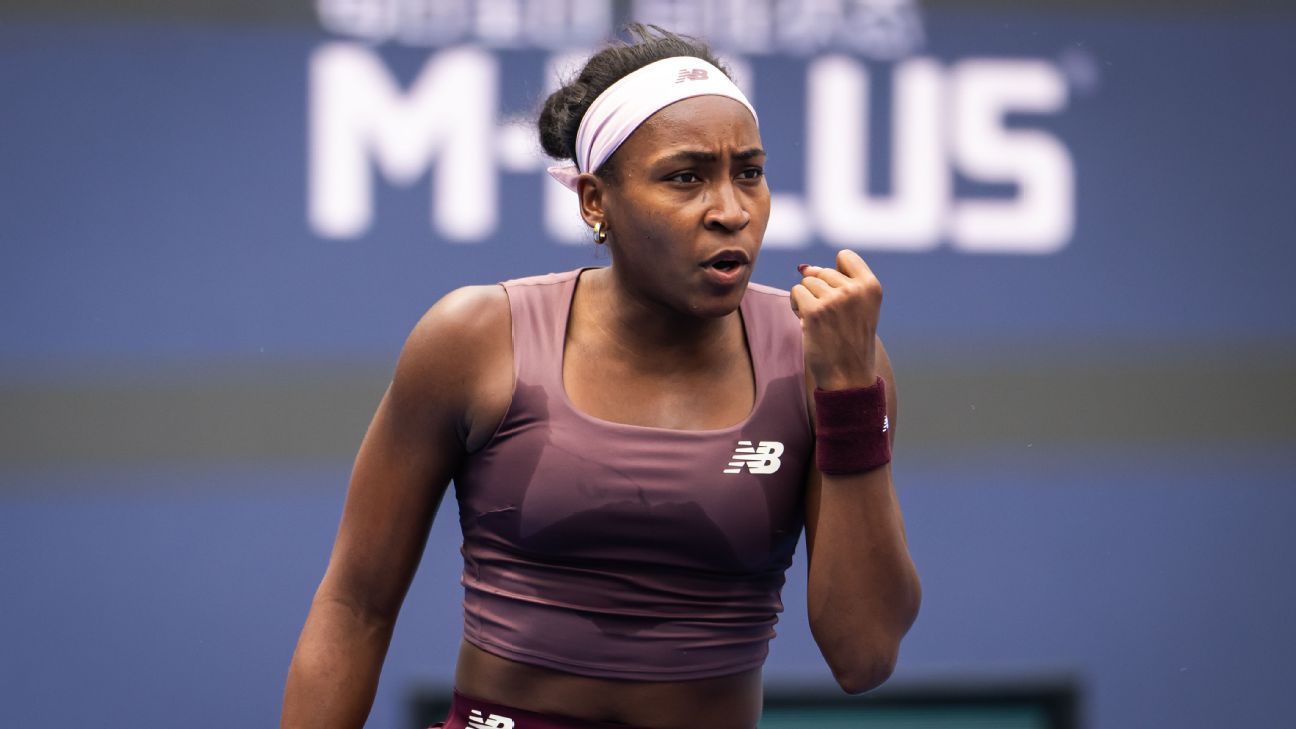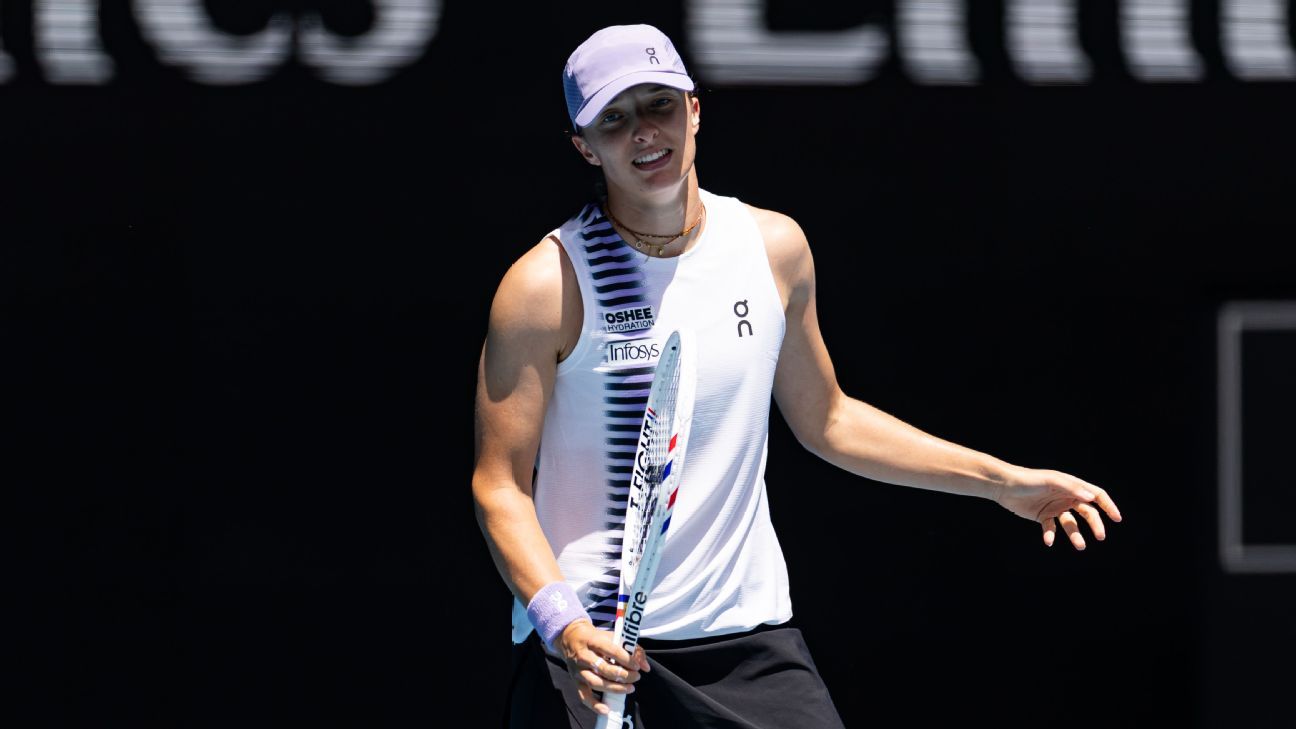
World No. 1 Iga Swiatek has joined Coco Gauff in a vocal push for improved tennis player privacy, arguing that constant media and fan access is becoming excessive.
The landscape of professional sports is shifting, and the conversation surrounding tennis player privacy has reached a boiling point. World No. 1 Iga Swiatek has officially added her influential voice to a growing chorus of athletes demanding a reassessment of how much access the public and media have to players behind the scenes. Following recent comments by American star Coco Gauff, Swiatek echoed the sentiment that the current level of 'limitless access' provided at major tournaments is not only unnecessary but potentially detrimental to the mental well-being and performance of the world's top competitors.
For years, the professional tennis circuit has prided itself on providing fans with an intimate look at their favorite stars. From 'all-access' documentaries to constant social media filming in locker rooms and player lounges, the barrier between the athlete and the public has all but vanished. However, Swiatek argues that the pendulum has swung too far, suggesting that the industry needs to find a healthier balance that respects the human need for personal space.
The Growing Need for Tennis Player Privacy
Iga Swiatek’s support for Coco Gauff highlights a generational shift in how athletes view their professional obligations. In a recent press conference, Swiatek noted that while she understands the importance of promoting the sport, the constant presence of cameras in areas once considered 'sacred'—such as the gym or the recovery zones—is becoming overbearing. The demand for tennis player privacy is not about avoiding fans or shunning the media; rather, it is about maintaining a professional environment where athletes can prepare for high-stakes matches without feeling like they are on a reality television set.
Swiatek pointed out that the intensity of the modern tour, coupled with the 24/7 nature of social media, means that players are 'always on.' This constant performance state can lead to burnout. By advocating for better tennis player privacy, the four-time French Open champion is calling for boundaries that allow players to decompress. When every moment of frustration, exhaustion, or private conversation is potentially being recorded for a highlight reel, the psychological toll begins to mount.
Following Coco Gauff’s Lead on Tour Boundaries
This discussion gained significant momentum after Coco Gauff spoke out about the intrusive nature of certain tournament protocols. Gauff, who has been in the spotlight since she was 15, has a unique perspective on the pressures of fame. When Gauff suggested that players need more 'off-camera' time to simply be themselves, it resonated deeply with her peers. Swiatek’s public backing of Gauff’s stance signals that this is not an isolated complaint from a single player, but a systemic issue within the WTA and ATP tours.
Improved tennis player privacy would involve stricter regulations on where film crews are allowed to roam. Currently, many tournaments grant documentary crews and social media teams nearly unfettered access to player-only areas. While this content is highly engaging for fans and lucrative for broadcasters, it strips away the last remnants of a private professional life for the athletes. Swiatek’s alignment with Gauff suggests that the top-ranked players are ready to negotiate for more autonomy over their personal space during competition weeks.
Balancing Fan Engagement and Athlete Well-being
The challenge for tournament organizers lies in the balance. Professional tennis relies on sponsorship, viewership, and fan engagement to thrive. 'Behind-the-scenes' content is a massive driver of that engagement. However, the push for tennis player privacy raises a valid question: at what point does the pursuit of content compromise the integrity of the sport? If players are uncomfortable or unable to focus due to the presence of cameras in private areas, the quality of the tennis itself may eventually suffer.
Swiatek has been vocal about mental health in the past, often traveling with a sports psychologist. Her advocacy for tennis player privacy is an extension of her commitment to mental wellness. She argues that having a 'safe space' where one is not being judged or filmed is essential for maintaining the mental clarity required to compete at the highest level. The World No. 1 suggests that certain parts of the tournament experience should remain strictly for the players, coaches, and staff, away from the prying eyes of the digital world.
The Future of Media Access in Professional Tennis
As the conversation around tennis player privacy continues to evolve, we may see a shift in how media rights are negotiated. Future contracts might include specific clauses that limit filming in locker rooms or medical treatment areas. This would be a significant victory for players like Swiatek and Gauff, who are leading the charge for a more respectful professional environment.
Ultimately, the goal is to create a sustainable model for the sport. If the stars of the game feel their boundaries are being respected, they are likely to have longer, more successful careers. By prioritizing tennis player privacy, the tour can ensure that its athletes are treated as professionals rather than just content creators. Iga Swiatek’s firm stance serves as a reminder that even the best in the world need a moment of peace to stay at the top of their game. As the tennis world looks toward the next Grand Slam, all eyes will be on tournament directors to see if they heed these calls for change.
Stay informed
Follow SportsNow.
Join the reader list for future briefings and important newsroom updates.
Reader conversation
Your take on the story
Stay with the story
Related coverage
Open desk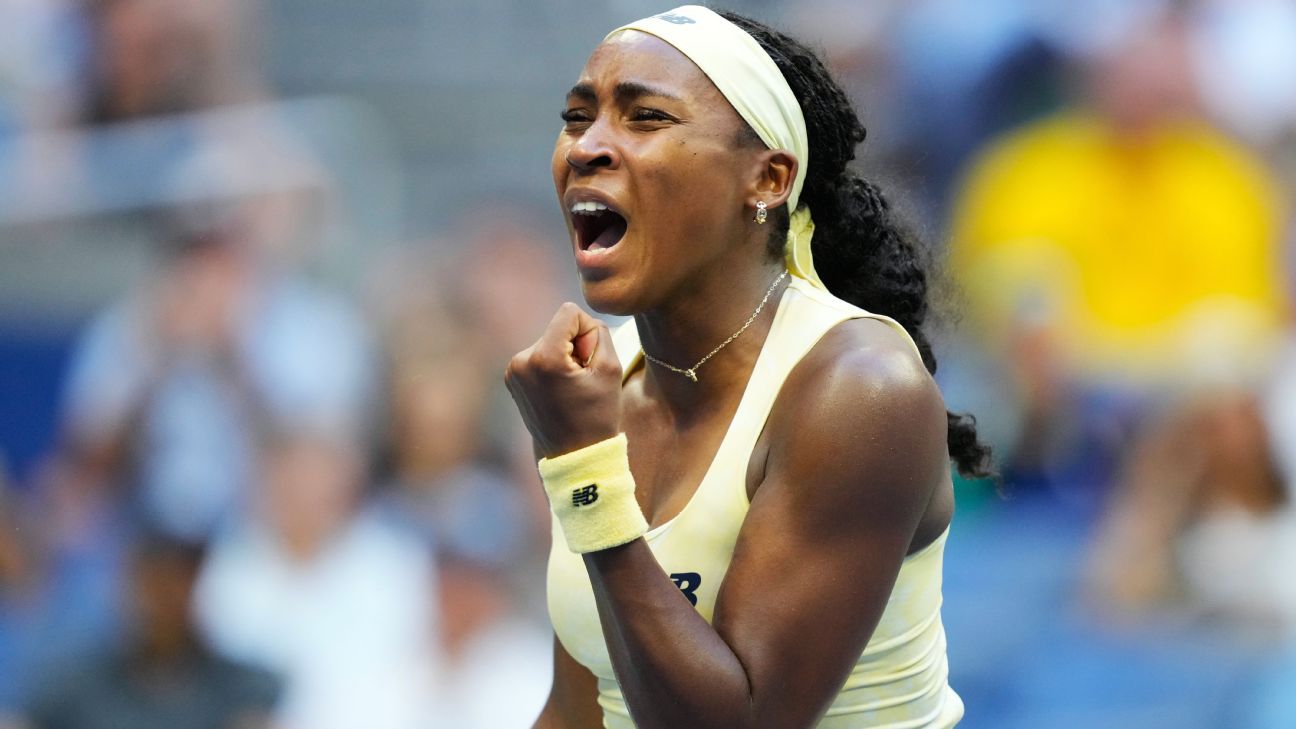
Coco Gauff Reaches Round of 16 With 6-3, 6-4 Win Over Cristina Bucsa
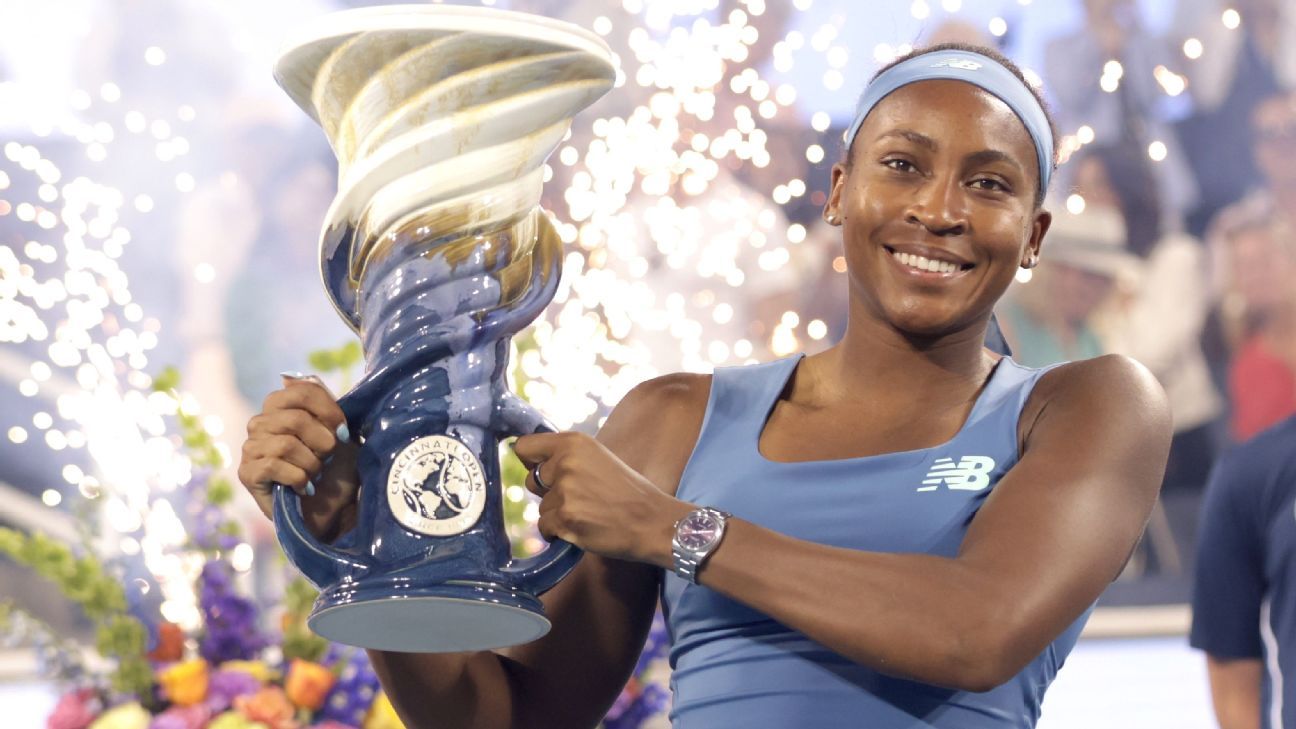
Coco Gauff Claims Cincinnati Open Title With 6-2, 6-4 Win Over Jessica Pegula