FIFA President Gianni Infantino warns that secondary market flippers are expected to drive up World Cup ticket prices for the 2026 tournament.
The road to the 2026 FIFA World Cup is already paved with immense anticipation, but fans are now facing a sobering reality regarding the cost of attendance. FIFA President Gianni Infantino recently addressed the growing concerns surrounding World Cup ticket prices, highlighting a trend that could see the secondary market reach unprecedented levels. As millions of fans from across the globe submit their applications for the expanded 48-team tournament, a significant portion of these applicants may not be looking to attend the matches themselves, but rather to capitalize on the massive demand by reselling their seats for a substantial profit.
The Impact of Secondary Markets on World Cup Ticket Prices
According to Infantino, the sheer volume of applications for the 2026 edition—hosted across the United States, Canada, and Mexico—has created a fertile ground for ticket scalpers and professional resellers. When supply is fixed and demand is virtually limitless, the resale market becomes the primary driver of inflation. Infantino noted that many individuals applying for the initial lottery are doing so with the explicit intent of listing those tickets on third-party platforms. This behavior inevitably pushes World Cup ticket prices far beyond the face value established by FIFA, making it increasingly difficult for the average supporter to afford a seat at the world’s biggest sporting event.
This phenomenon is not entirely new to major sporting events, but the scale of the 2026 World Cup presents a unique challenge. With more matches, more venues, and larger stadiums than ever before, the logistical complexity of managing fair ticket distribution is immense. However, the allure of a quick profit remains a hurdle. When tickets move from the primary box office to the secondary market, the price reflects what the wealthiest fans are willing to pay, rather than a price point that ensures inclusivity for the global football community.
FIFA’s Stance on Ticket Flipping and Scalping
Infantino’s comments underscore a growing frustration within FIFA regarding the lack of control over secondary sales once the initial transaction is complete. While the organization employs various digital security measures and personalized ticketing systems, the ingenuity of resellers often keeps them one step ahead. The FIFA President emphasized that the organization wants the tournament to be accessible, but the reality of World Cup ticket prices in the resale ecosystem often contradicts this mission.
To combat this, FIFA has historically encouraged fans to use only official platforms for transfers and resales. However, the lure of premium sites where tickets can fetch five or ten times their original value remains strong. Infantino’s warning serves as a cautionary tale for fans: the price you see today during the application phase may bear little resemblance to the market rate once the tournament draw is finalized and the high-stakes knockout rounds approach. The surge in World Cup ticket prices is a direct byproduct of a system where scarcity meets opportunism.
Why the 2026 Tournament is a Prime Target for Resellers
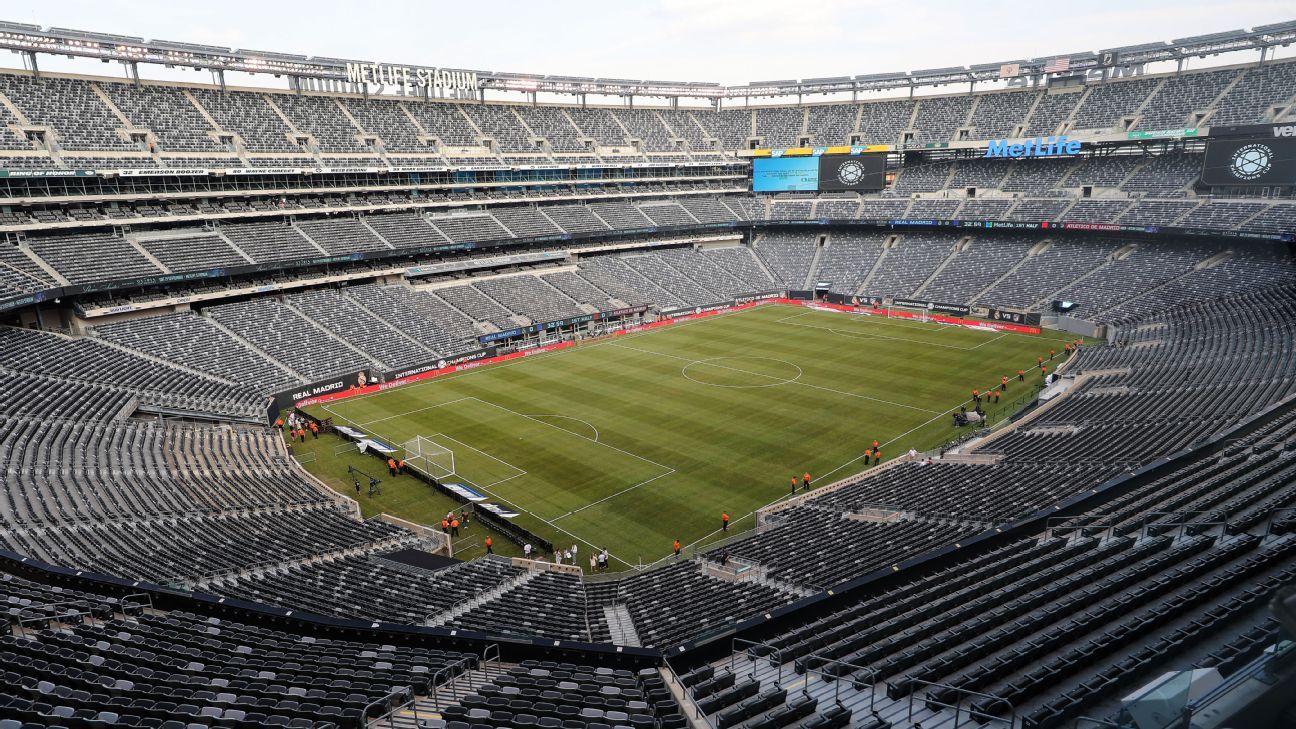
The 2026 World Cup is set to be a financial juggernaut, and resellers are well aware of the North American market's purchasing power. The United States, in particular, has a robust culture of secondary market ticket trading for leagues like the NFL and NBA. This infrastructure makes it incredibly easy for casual fans to flip their World Cup tickets for a profit. Infantino pointed out that the geographic spread of the tournament also adds to the frenzy. With games held in major hubs like New York, Los Angeles, and Mexico City, the local demand alone is enough to send World Cup ticket prices into the stratosphere.
Furthermore, the 2026 event will be the first to feature 48 teams, meaning more fanbases will be traveling internationally. When a national team qualifies for the first time in decades, their supporters are often willing to pay a premium to witness history. This emotional investment is exactly what resellers exploit to drive up World Cup ticket prices. Infantino’s transparency about this issue suggests that FIFA is bracing for a public relations challenge as fans voice their frustrations over being priced out of the beautiful game.
Ensuring Fair Access in a High-Demand Era
As we move closer to the opening whistle, the conversation around World Cup ticket prices will only intensify. FIFA faces the difficult task of balancing revenue generation with the need to maintain the soulful, grassroots atmosphere that defines the World Cup. If the stadiums are filled only by those who can afford exorbitant resale markups, the traditional vibrant fan culture could be at risk. Infantino and his team are reportedly looking at more stringent resale regulations, but the global nature of the internet makes enforcement a daunting task.
For the millions of fans still hoping to secure a spot in the stands, the advice remains the same: apply early, use official channels, and be wary of the inflated World Cup ticket prices found on unofficial websites. While the resale market may be an inevitable part of modern sports, the warning from the FIFA President highlights a systemic issue that threatens the accessibility of the sport. As the 2026 tournament looms, the battle between genuine supporters and profit-seeking resellers is just beginning, and the final cost of a ticket may be the highest we have ever seen in soccer history.
Stay informed
Follow SportsNow.
Join the reader list for future briefings and important newsroom updates.
Reader conversation
Your take on the story
Stay with the story