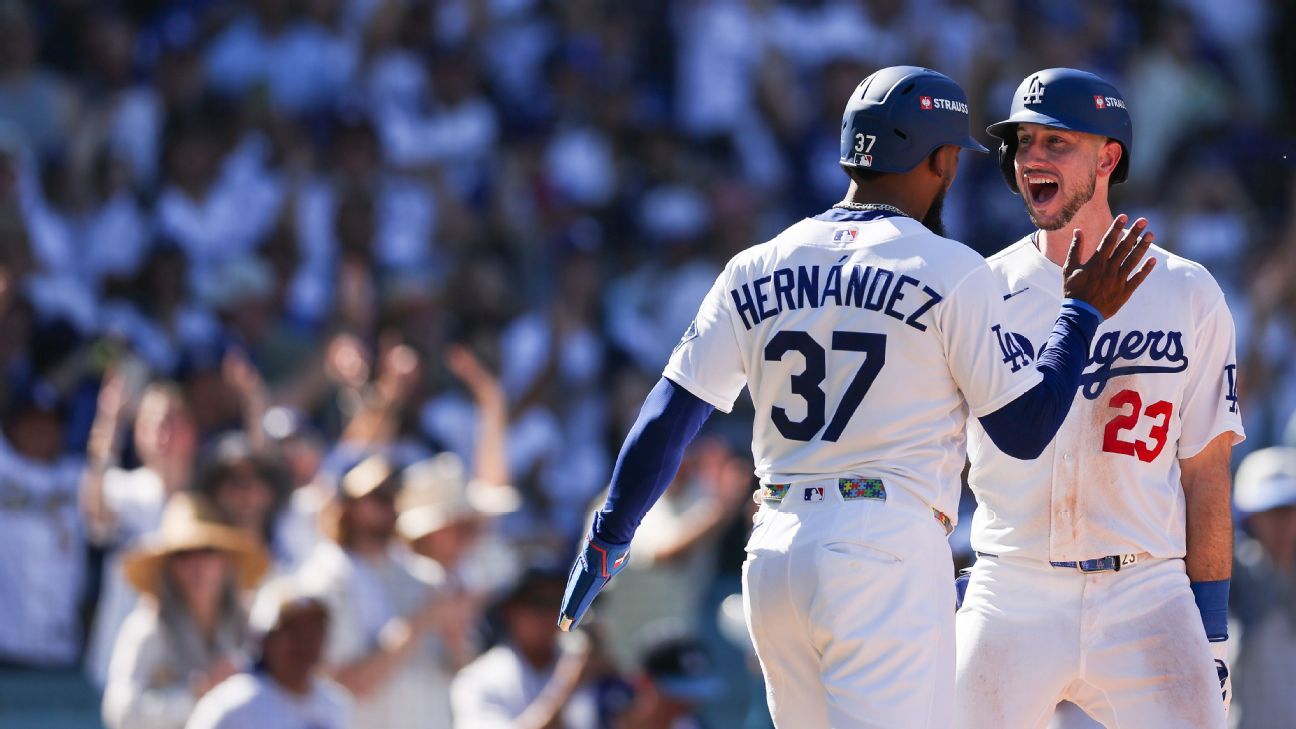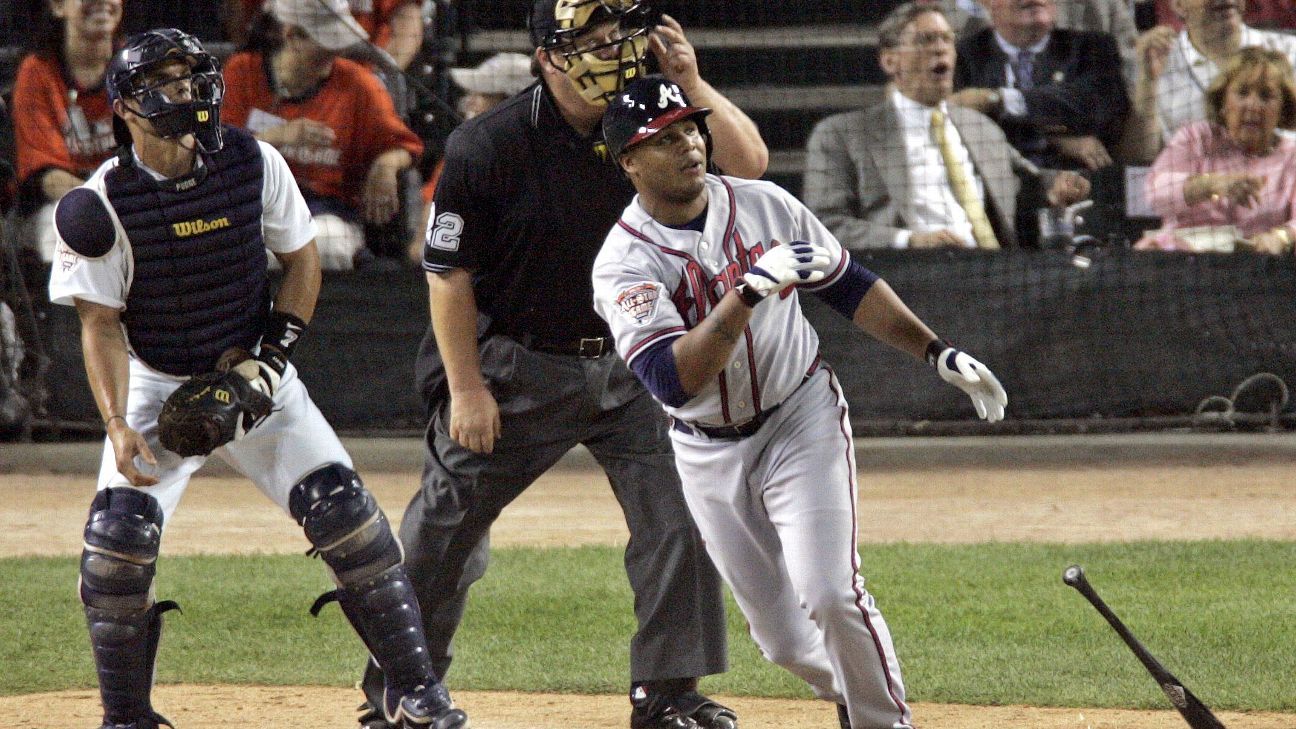
As the Baseball Writers’ Association of America prepares to unveil this year’s inductees, we look at the legends on the brink of immortality and the stars fighting to stay on the ballot.
Title: Judgment Day at Cooperstown: Can the Class of 2024 Break the Logjam? Category: MLB Current Content: The most prestigious real estate in sports is about to welcome new neighbors. Today, the baseball world holds its collective breath as the results of the 2024 National Baseball Hall of Fame election are revealed. For the candidates, it is the culmination of a lifetime of sweat and statistics; for the fans, it is an annual referendum on the legacy of the game itself. Every year, this ballot serves as a bridge between nostalgia and cold, hard data, and this cycle promises more drama than a bottom-of-the-ninth rally, solidifying its place as a pivotal moment in the MLB Hall Fame calendar.
All eyes are on Adrian Beltre, the defensive wizard and offensive powerhouse who seems destined for a first-ballot coronation. With over 3,000 hits, 477 home runs, and five Gold Gloves at the hot corner, Beltre’s induction feels less like a question of 'if' and more a matter of how close he will get to a unanimous vote. His incredible longevity, coupled with his consistent elite-level performance on both sides of the ball, makes him a near-certainty for the MLB Hall Fame. Joining him in the 'strong likelihood' category are Joe Mauer, the quintessential hometown hero and a three-time batting champion catcher whose career was tragically cut short by concussions, and Todd Helton, whose Coors Field pedigree is finally being viewed through a fairer lens by voters who once held his altitude against him. Helton’s .316 career batting average and 369 home runs, when adjusted for his home park, reveal a hitter of truly elite caliber, deserving of his place among the greats in the MLB Hall Fame.
However, Cooperstown isn't just about who gets in; it’s about who survives. The 5% threshold remains the cruelest cut in the game, threatening to wipe the slate clean for players who were stars in their era but lack the 'inner circle' numbers to maintain momentum. This year, several former All-Stars and fan favorites are teetering on the brink, their hopes of future consideration hanging by a thread. While the top of the ballot debates the greatness of Billy Wagner’s closing dominance – his 422 saves and minuscule 2.31 ERA over 16 seasons make a compelling case for the MLB Hall Fame – or Gary Sheffield’s terrifying swing and 509 career home runs, several debutants are fighting simply for the right to be discussed again next January. The pressure on these borderline candidates is immense, as failing to clear this initial hurdle often means their Cooperstown dreams are effectively over.
This election marks a shifting tide in how we measure greatness. The analytical revolution has arrived at the Hall’s doorstep, with voters increasingly valuing nuances like park factors, defensive metrics, and WAR (Wins Above Replacement) over traditional milestones. This shift has allowed players like Helton to gain traction and has brought new scrutiny to others. Whether you are a traditionalist who values the 'eye test' and iconic moments or a sabermetrician clutching a spreadsheet and dissecting advanced statistics, today’s announcement serves as a definitive statement on what it means to be a legend in the modern era. Grab your caps and jerseys—the doors to immortality are about to open for this year's class of the MLB Hall Fame.
The Lingering Shadow of the Steroid Era
Beyond the individual merits of each candidate, the specter of the "Steroid Era" continues to cast a long shadow over the MLB Hall Fame voting process. Players like Alex Rodriguez, Manny Ramirez, and even Barry Bonds and Roger Clemens, who have fallen off the ballot due to expiring eligibility, represent a contentious debate that divides voters. While their on-field statistics are undeniably Hall of Fame worthy, their association with performance-enhancing drugs has led to a sustained voter backlash. This year, the discussion continues, albeit with fewer direct candidates from that era on the ballot. However, the precedent set by previous exclusions influences how voters perceive statistical anomalies or extraordinary peaks in performance, even for players not directly implicated. The ongoing struggle to reconcile incredible talent with ethical transgressions remains one of the most complex challenges for the Baseball Writers' Association of America (BBWAA) voters and for the integrity of the MLB Hall Fame itself. The question of whether to forgive, forget, or forever penalize these players for their choices continues to shape the narrative around Cooperstown.
The Evolution of the Ballot: A Growing Logjam
The increasing analytical sophistication and the sheer volume of highly qualified players from recent eras have created a significant logjam on the MLB Hall Fame ballot. With only a maximum of 10 selections allowed per voter, and a 75% threshold for induction, many deserving players often have to wait years, or even fall off the ballot entirely, before their time comes. This year, even with a few clear front-runners, the ballot is still packed with players like Bobby Abreu, Andy Pettitte, and Jimmy Rollins, all of whom had excellent careers but face an uphill battle for sustained consideration. The challenge for voters is not just identifying greatness, but prioritizing it amongst a deep pool of talent. This phenomenon underscores the difficulty of earning a plaque in Cooperstown and highlights the intense competition for those coveted spots. As the game continues to produce exceptional athletes, the BBWAA faces an ongoing dilemma of how to fairly evaluate and induct players without diluting the prestige of the MLB Hall Fame, ensuring that future generations can properly appreciate the game's rich history and its greatest stars.
Stay informed
Follow SportsNow.
Join the reader list for future briefings and important newsroom updates.
Reader conversation
Your take on the story
Stay with the story