A deep dive into the 2012-13 NBA season where LeBron James shot 56.5% from the field and led the Miami Heat to the second-longest winning streak in league history.
LeBron James concluded the 2012-13 NBA regular season with a field goal percentage of 56.5%, a figure that underscored his unprecedented efficiency as a perimeter-oriented forward. During this 82-game stretch, he averaged 26.8 points, 8.0 rebounds, and 7.3 assists per contest, securing 120 out of 121 possible first-place MVP votes. The Miami Heat finished the year with a league-best 66-16 record, anchored by a historic 27-game winning streak that spanned from February 3 to March 25, 2013. This 52-day period without a single loss remains the second-longest undefeated run in the history of the National Basketball Association.
Examining the LeBron James 2013 stats reveals a player who converted 40.6% of his attempts from beyond the three-point arc, marking the highest long-range accuracy of his South Beach tenure. His Player Efficiency Rating (PER) peaked at 31.6, leading the league for the sixth consecutive year while he simultaneously earned All-Defensive First Team honors. In the month of February alone, the Heat superstar shot a staggering 64.1% from the floor, becoming the first player since Kareem Abdul-Jabbar to average at least 20 points on 60% shooting over a full calendar month. This surgical precision allowed Miami to outscore opponents by an average of 11.9 points during their nearly two-month period of invincibility.
The defensive metrics from this campaign are equally staggering, as James finished second in Defensive Player of the Year voting with 210 total points. He recorded 129 steals and 67 blocks, utilizing a 250-pound frame to guard all five positions on the hardwood effectively. Miami's defensive rating improved to 100.5 during the 27-game surge, a testament to the high-pressure 'blitzing' scheme that relied on his lateral quickness and recovery speed. On March 18, 2013, against the Boston Celtics, he demonstrated this versatility by scoring 37 points and grabbing 12 boards to keep the streak alive at 23 games.
Advanced analytics further validate the dominance of this specific era, as James posted 19.3 Win Shares, the highest total of his career. His True Shooting Percentage reached an elite 64.0%, proving that his shot selection had evolved to prioritize high-percentage looks at the rim and open corner triples. During the postseason, he maintained this momentum by averaging 25.9 points per game across 23 playoff appearances. This culminated in a Game 7 performance in the NBA Finals where he tallied 37 points and 12 rebounds against the San Antonio Spurs to clinch his second consecutive championship and Finals MVP trophy.
Statistical consistency defined the 2013 calendar year, as the forward notched 36 double-doubles and four triple-doubles during the regular season. He logged 2,877 total minutes, the most on the Heat roster, while maintaining a usage rate of 30.2%. The team’s offensive rating jumped to 112.3 with him on the floor, compared to a significant dip when he rested on the bench. By the time the streak ended in Chicago on March 27, the Heat had established a 10-game lead over the rest of the Eastern Conference, cementing this version of James as the most statistically complete force in modern basketball history.
Stay informed
Follow SportsNow.
Join the reader list for future briefings and important newsroom updates.
Reader conversation
Your take on the story
Stay with the story
Related coverage
Open desk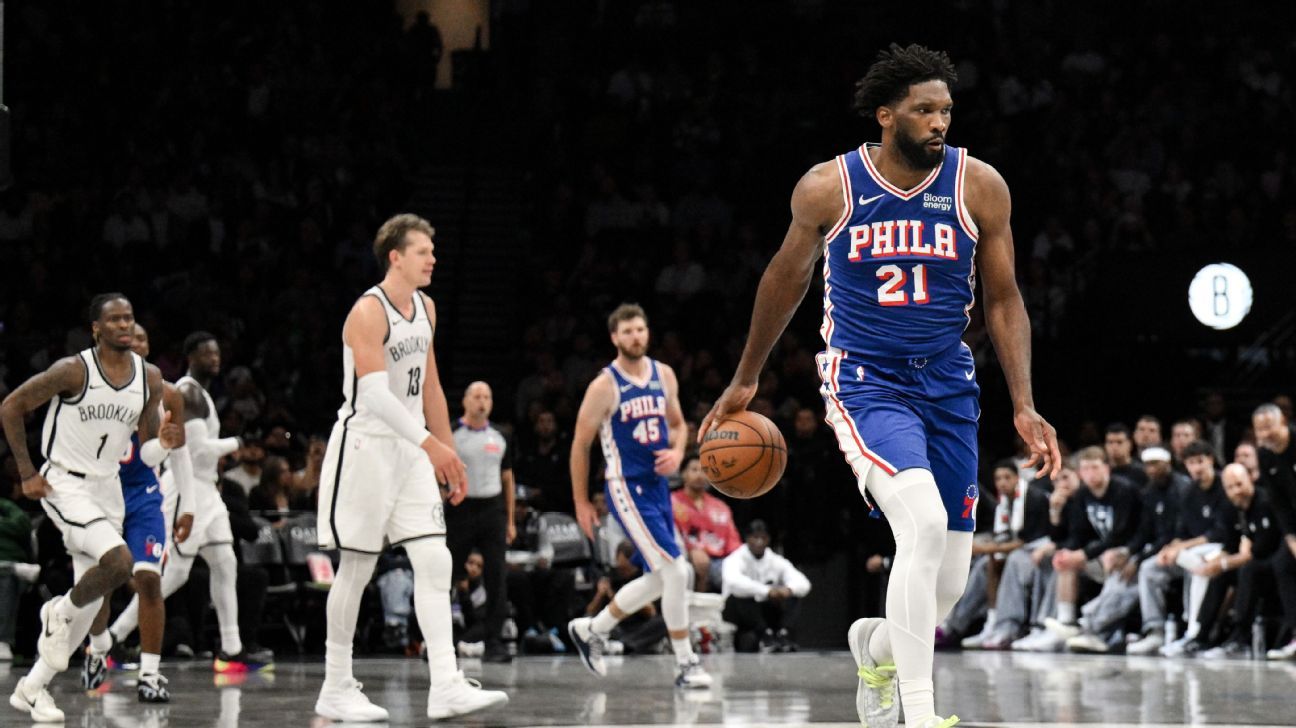
Joel Embiid Refutes Report of LeBron James Confrontation Over Practice Punctuality
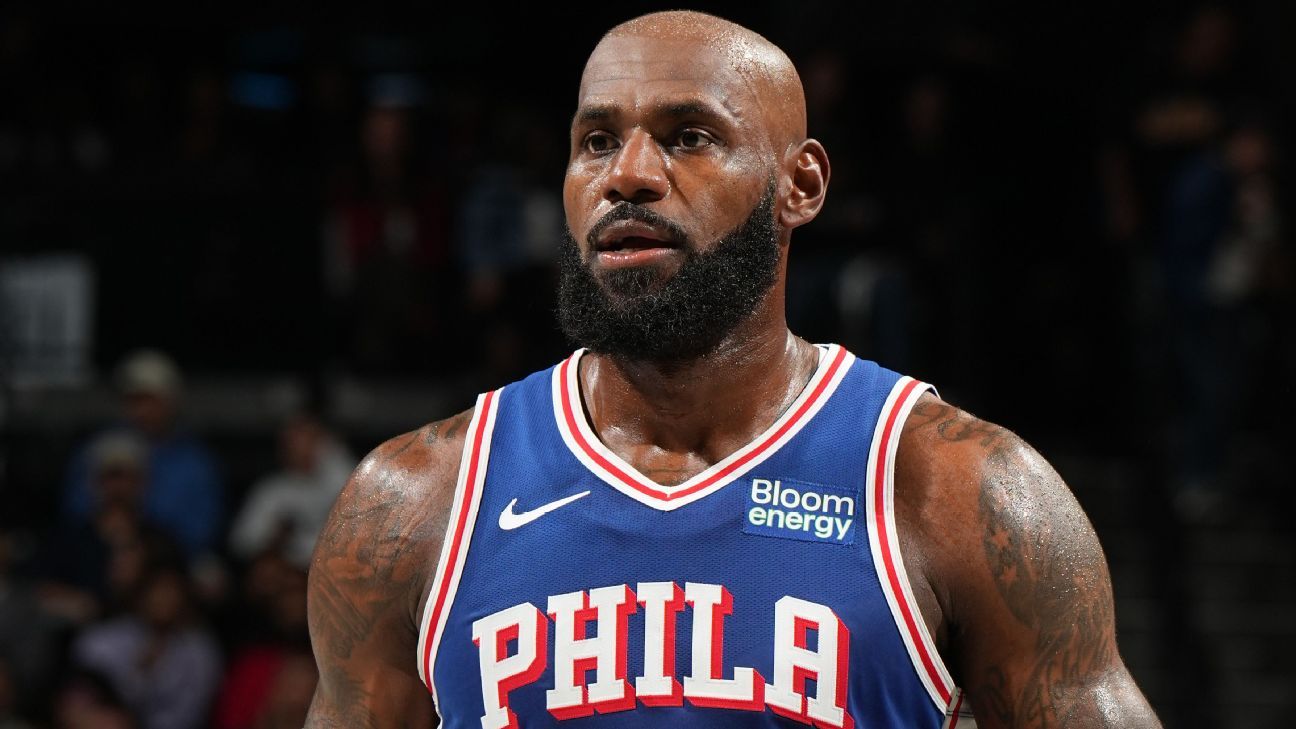
LeBron James Logs 10 Points and 18 Minutes in Philadelphia 76ers Debut