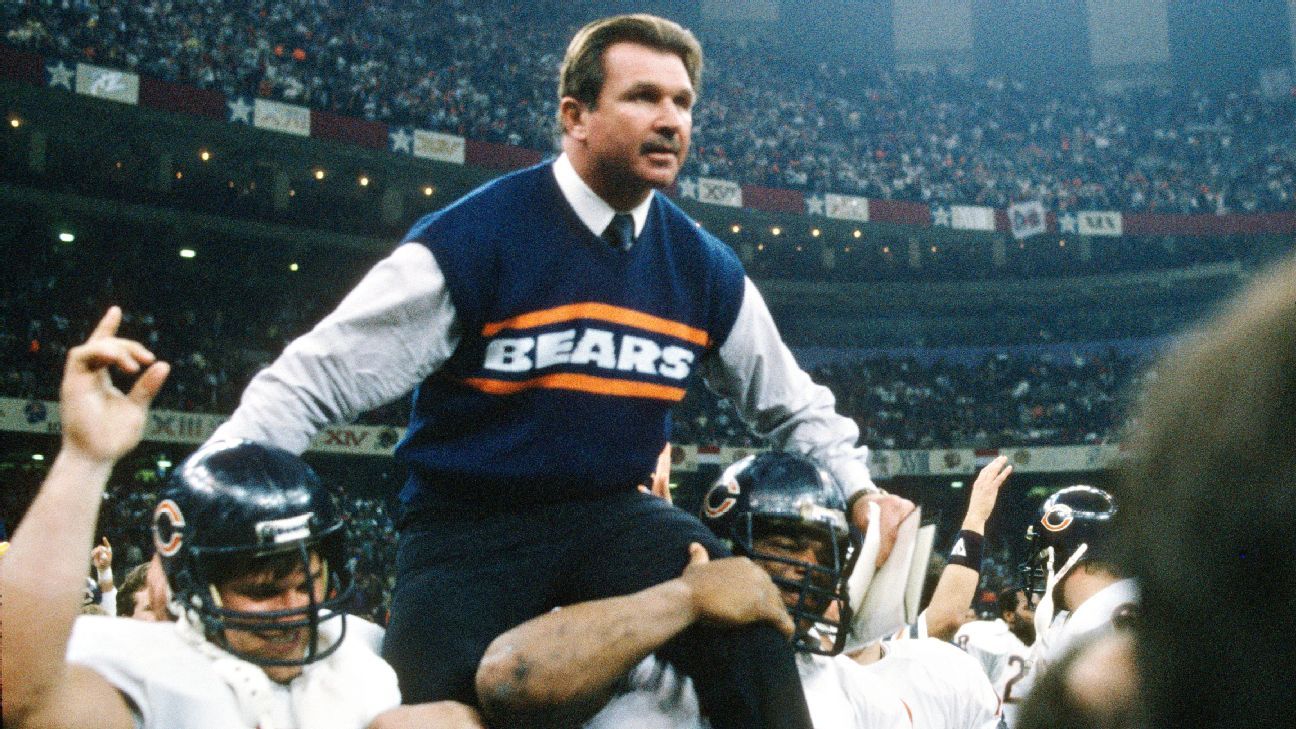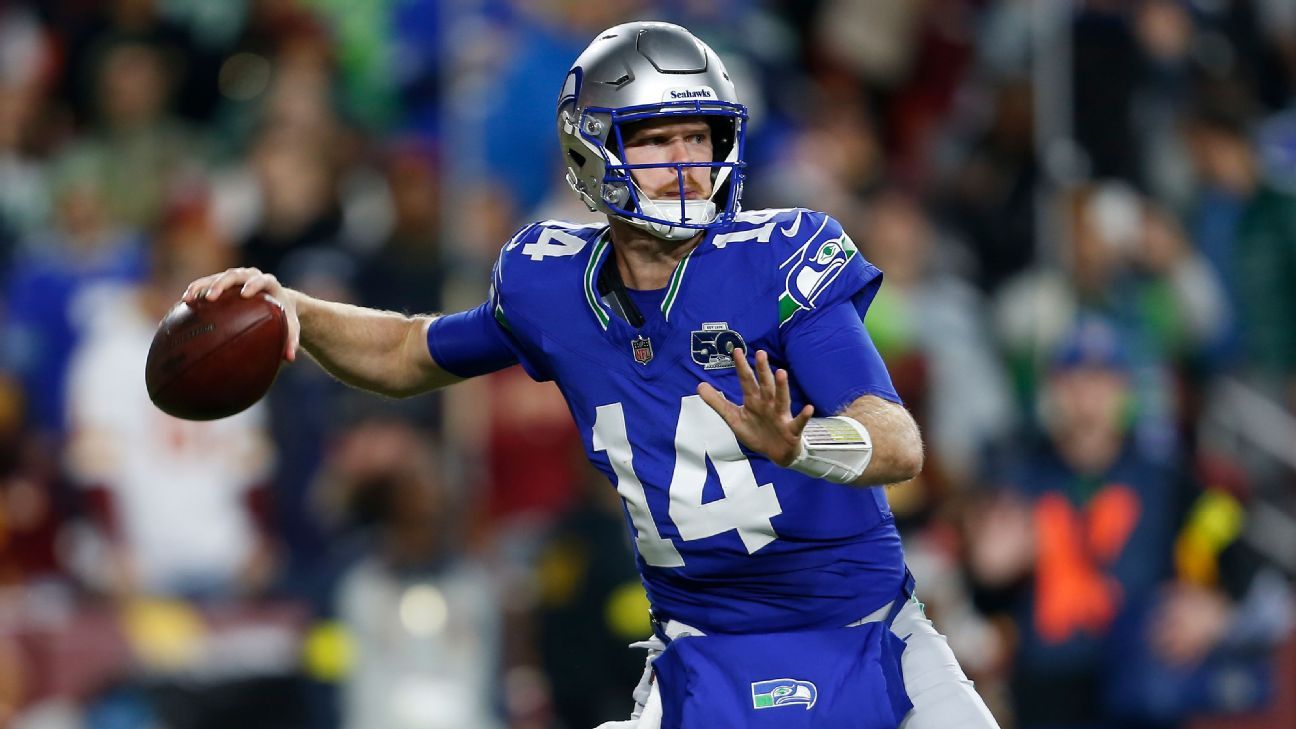
The Seahawks and Patriots redefined the traditional NFL offseason strategy by embracing risks that critics initially panned, proving that unconventional moves often yield the highest rewards.
In the high-stakes world of professional football, the blueprint for success is often treated as a rigid set of rules. However, the recent success of teams like the Seattle Seahawks and the New England Patriots has forced analysts to reconsider what a winning NFL offseason strategy actually looks like. While many franchises play it safe, these organizations leaned into skepticism, proving that unconventional decisions in free agency and coaching hires can pave a direct path to the Super Bowl.
Challenging the Myths of Free Agency Spending
For years, the prevailing wisdom among league executives was that championships aren't won in March. The common refrain was that 'winning' free agency usually led to losing in December. However, a modern NFL offseason strategy requires a more nuanced approach to the open market. The Seahawks and Patriots demonstrated that aggressive spending isn't a sign of desperation—it’s a tool for rapid roster transformation.
When these teams opened their checkbooks, they didn't just target the biggest names; they targeted specific skill sets that addressed systemic weaknesses. Critics often point to 'overpaying' for mid-tier talent as a recipe for salary cap disaster. Yet, when these players provide the missing link in a defensive scheme or provide veteran leadership for a young locker room, the return on investment far exceeds the cap hit. The lesson here is clear: value is subjective, and a bold NFL offseason strategy involves identifying and securing the specific players who fit your culture, regardless of the price tag.
The Mid-Tier Quarterback Conundrum
Perhaps the most controversial aspect of a modern NFL offseason strategy is how to handle the quarterback position. The league has become polarized between teams with elite, high-priced superstars and those hunting for the next rookie sensation. The Seahawks and Patriots, however, found success by operating in the much-maligned 'middle class' of quarterbacks.
By signing or retaining veteran signal-callers to moderate contracts, these teams avoided the 'all-or-nothing' trap. This approach allows a franchise to build a complete roster around the quarterback rather than forcing the passer to carry a flawed team. A successful NFL offseason strategy recognizes that a steady, efficient veteran can lead a team to a Super Bowl if the supporting cast is elite. This shift in thinking challenges the 'tank for a superstar' mentality that has gripped much of the league, proving that stability and smart cap management can be just as effective as a top-five draft pick.
Defensive-Minded Coaches in an Offensive Era
We live in an era where the NFL is dominated by high-flying offenses and young, offensive-minded gurus. Every team seems to be looking for the next Sean McVay. However, the Seahawks and Patriots have remained competitive by doubling down on defensive identity. Part of a winning NFL offseason strategy is knowing when to zig while the rest of the league zags.
Defensive-minded head coaches bring a level of discipline and situational awareness that often gets overlooked in the highlight-reel era. By prioritizing a stifling defense and a physical run game, these teams effectively 'break' the rhythm of modern, pass-heavy offenses. When developing an NFL offseason strategy, focusing on the defensive side of the ball provides a higher floor for the team. While offenses can be volatile and weather-dependent, a fundamentally sound defense travels well and performs consistently in the postseason.
Building for Longevity vs. Short-Term Gains
The ultimate goal of any NFL offseason strategy is to create a sustainable window of contention. The Seahawks and Patriots have shown that this requires a delicate balance between veteran acquisitions and draft development. It is not enough to simply sign free agents; a team must also hit on mid-round draft picks to provide cheap, productive labor.
This 'hybrid' NFL offseason strategy ensures that the roster doesn't become top-heavy or aged out all at once. By consistently rotating in young talent while maintaining a core of seasoned leaders, these organizations have avoided the deep rebuilds that plague other franchises. They have proven that with a clear vision and the courage to ignore public criticism, any team can transform from an underdog into a Super Bowl heavyweight. As we look toward the future of the league, the moves made by these two storied franchises will serve as a masterclass in how to navigate the complex landscape of professional football personnel management.
Stay informed
Follow SportsNow.
Join the reader list for future briefings and important newsroom updates.
Reader conversation
Your take on the story
Stay with the story
Related coverage
Open desk
Former Broncos GM John Beake, Architect of Back-to-Back Super Bowl Teams, Dies at 87
NFL Kickoff and K-Ball Rule Changes Reshape Late-Game Strategy