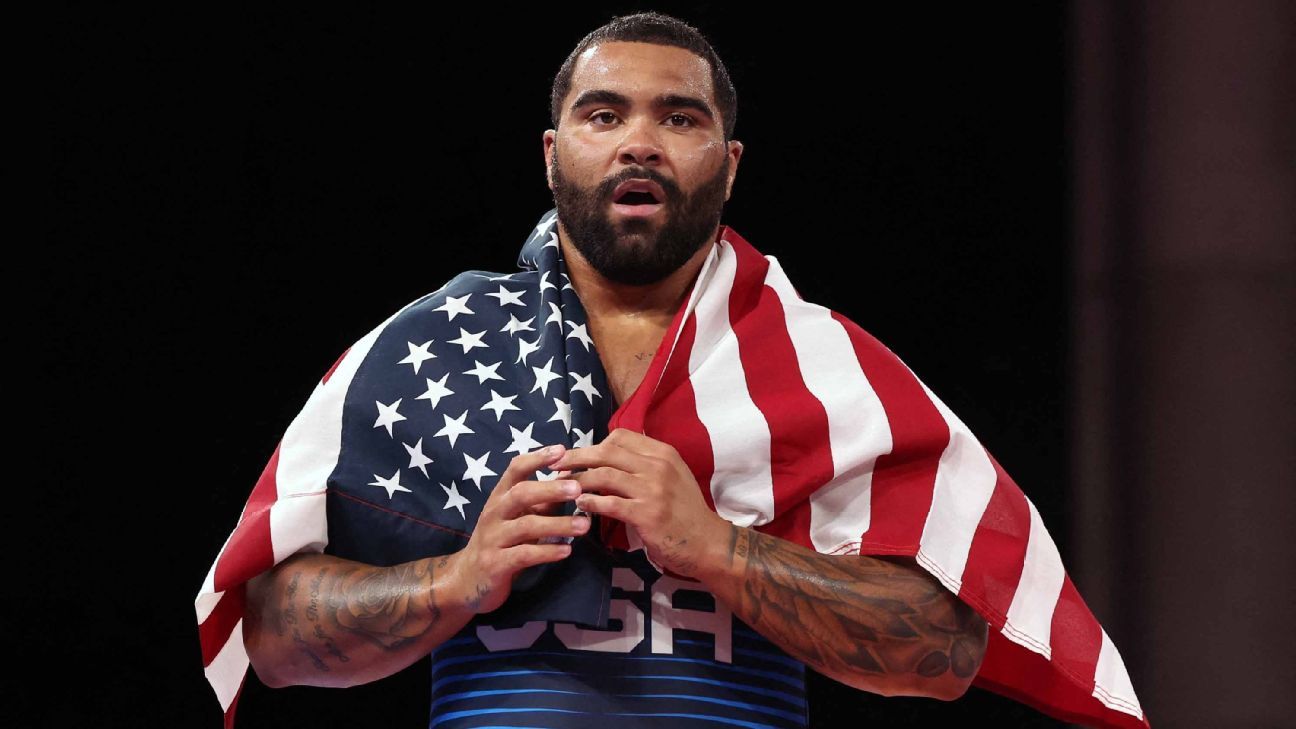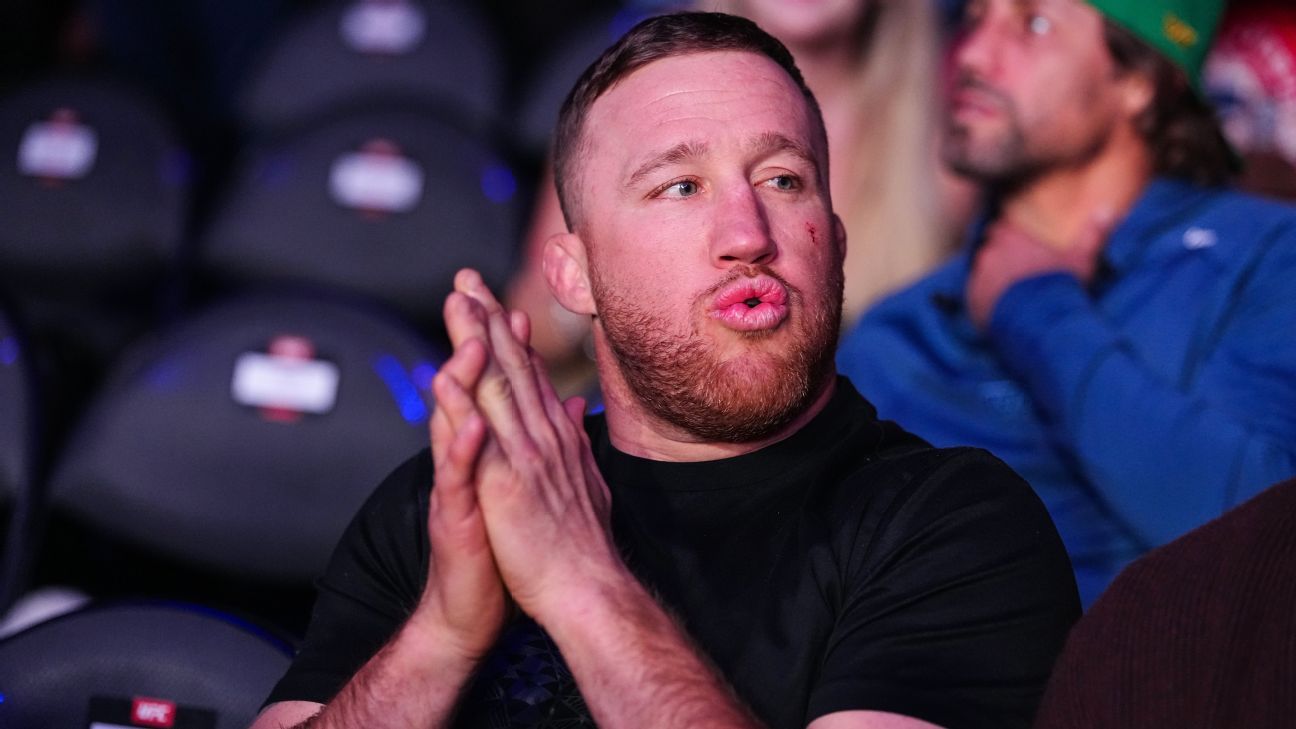
MMA stars Conor McGregor and Sean O'Malley provided online commentary regarding the polarizing UFC White House fight card.
The UFC White House card triggered an immediate wave of digital engagement, headlined by a three-word critique from Sean O'Malley: "LOL THATS IT?" This specific reaction surfaced on social media platforms shortly after the fight lineup became public knowledge. Conor McGregor joined the bantamweight champion in providing commentary, ensuring that two of the promotion's most recognizable figures were at the forefront of the discourse. The event, characterized by its unique branding and venue association, immediately split the MMA community into factions of supporters and skeptics.
Statistical analysis of the fighter feedback reveals a trend of brevity and disbelief. O'Malley’s concise dismissal garnered thousands of interactions within minutes of posting, highlighting the scrutiny applied to the roster selection. The polarizing nature of the card stems from the perceived lack of depth in the preliminary and main card structures. McGregor’s involvement further amplified the reach of these critiques, as his massive following reacted to the perceived quality of the scheduled bouts. These high-profile athletes utilized their personal accounts to bypass traditional media channels, offering raw assessments of the matchmaker's decisions.
Industry observers noted that the skepticism wasn't limited to just a few individuals. A broader spectrum of the roster expressed surprise at the final composition of the event. The phrase "LOL THATS IT?" became a focal point for fans who felt the White House designation warranted a more star-studded lineup. This sentiment suggests a gap between the promotion's marketing ambitions and the expectations of its elite competitors. The digital footprint of these reactions provides a real-time metric of the card's reception among those who understand the technical requirements of a championship-caliber event.
Beyond the initial shock, the commentary reflects a growing trend of fighters asserting their opinions on organizational strategy. When McGregor and O'Malley weigh in, the narrative shifts from simple fight promotion to a critical evaluation of the brand's direction. The polarizing reception is not merely about the names on the poster, but the perceived prestige of the venue compared to the competitive stakes of the matchups. This disconnect fueled the viral nature of the social media posts, as fans echoed the sentiments of the athletes. The brevity of the critiques often carries more weight than long-form analysis in the fast-paced environment of combat sports news.
As the date for the UFC White House event approaches, the initial reactions from the sport's biggest stars remain a primary talking point. The lack of a secondary, more robust announcement has left the "LOL THATS IT?" comment as a defining summary of the current sentiment. This specific instance of fighter feedback serves as a case study in how top-tier talent can influence public perception of a major sporting event. The scrutiny applied by McGregor and O'Malley ensures that the promotion faces pressure to deliver a high-quality broadcast despite the early criticism. The final impact of this polarizing card will likely be measured by its viewership numbers and the subsequent performance of the athletes involved in these debated matchups.
Stay informed
Follow SportsNow.
Join the reader list for future briefings and important newsroom updates.
Reader conversation
Your take on the story
Stay with the story
Related coverage
Open desk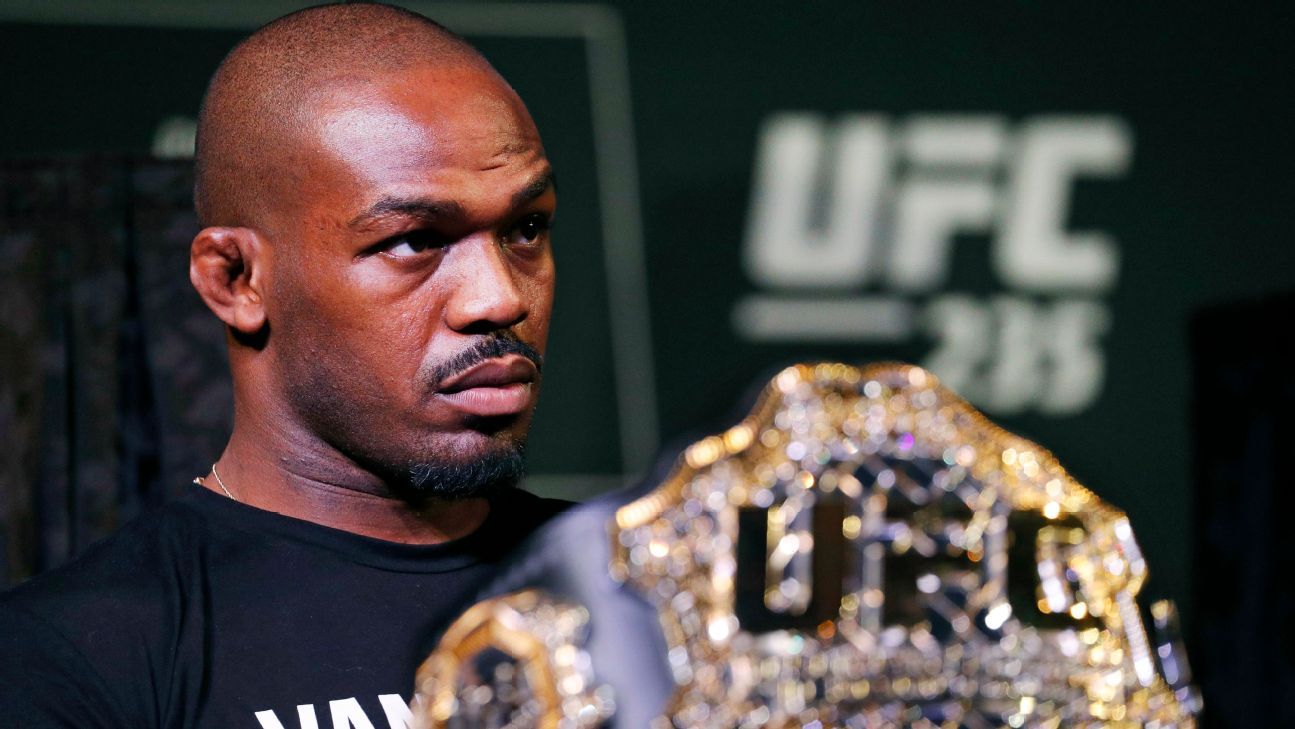
Jon Jones Requests UFC Release Following 'Lowball' White House Card Offer
Dana White: Jon Jones and Conor McGregor Excluded from White House Card