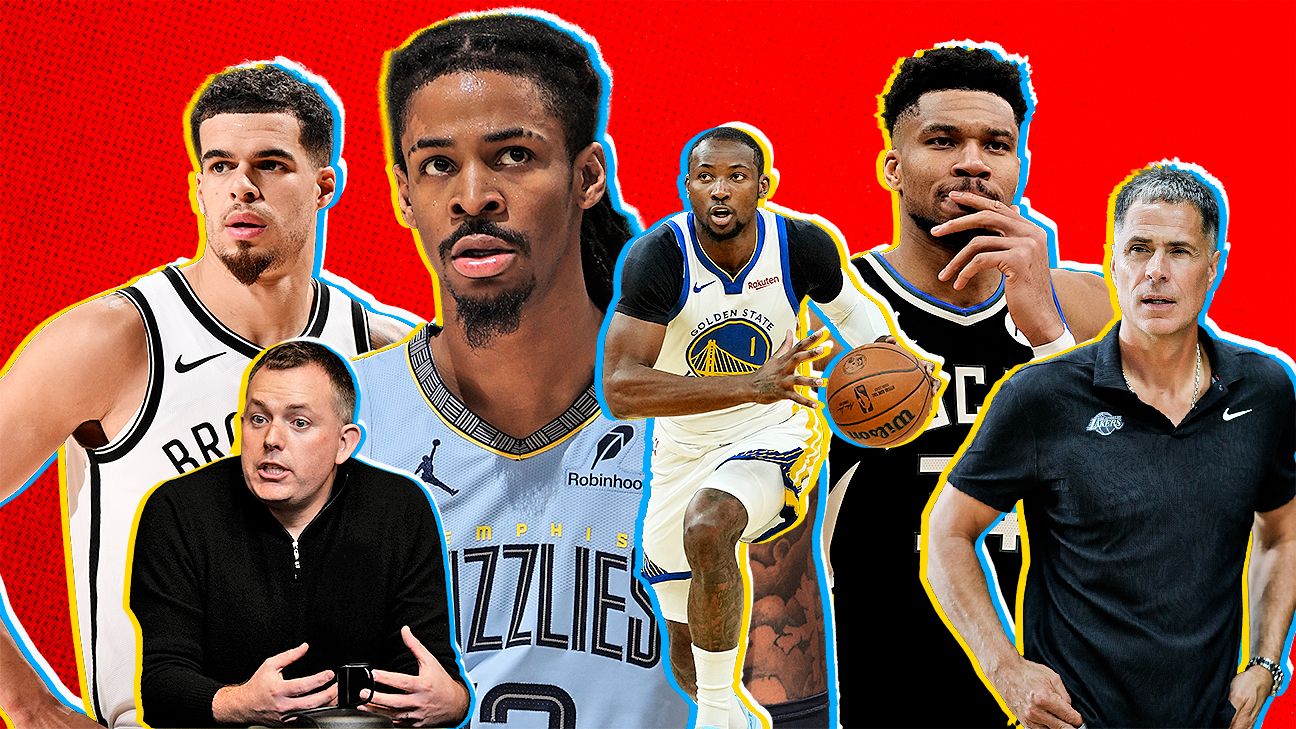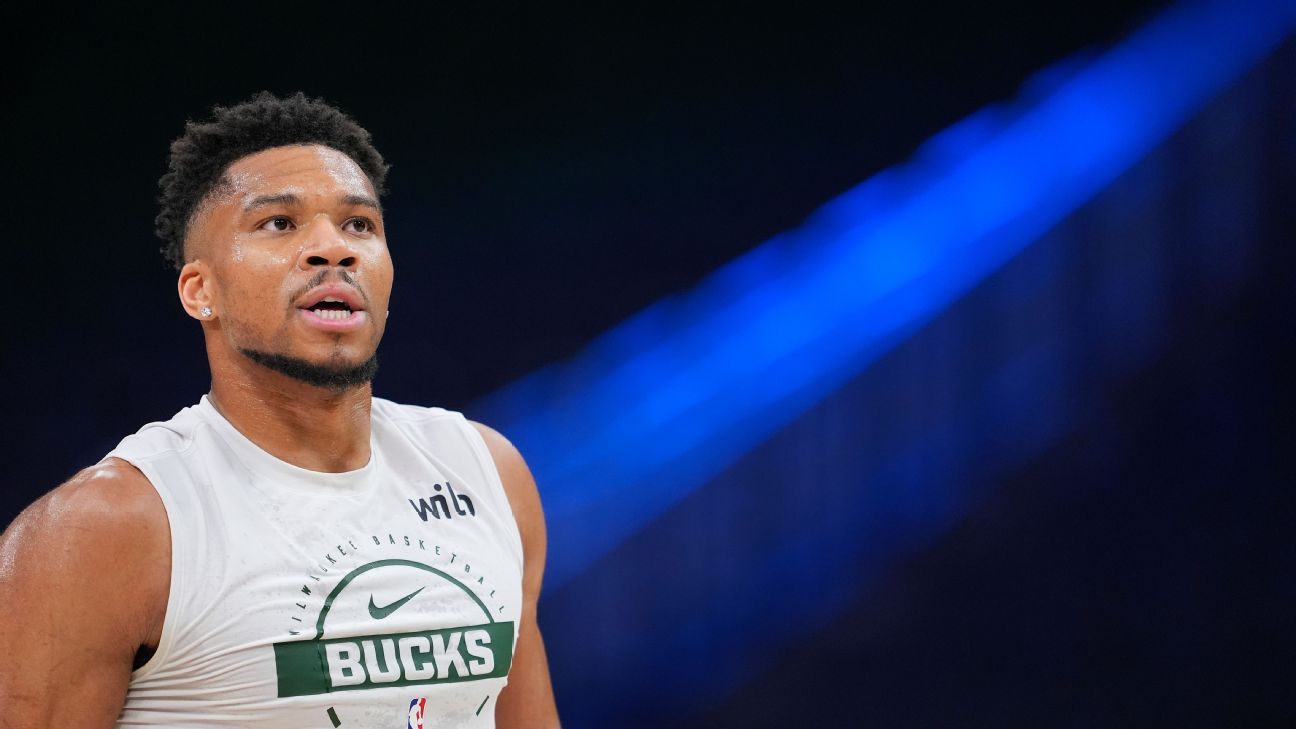
Following the conclusion of the NBA Trade Deadline, league insiders are shifting their focus toward a potentially landscape-shifting summer of transactions.
The dust has finally settled on the most recent NBA Trade Deadline, leaving fans and front offices alike to sift through the wreckage of what many considered a surprisingly strategic window. While the deadline didn’t deliver the earth-shattering superstar movement we’ve seen in years past, the subtle shifts in roster construction have created a fascinating ripple effect. To understand where the league is heading, one must look closely at the moves that weren't made just as much as those that were finalized.
Industry insiders are now canvassing the league to gauge the temperature of various front offices, and the consensus is clear: the relative quiet of February is merely the precursor to a summer of unprecedented volatility. The NBA Trade Deadline served as a chess match where teams were positioning their pieces for a grander offensive in the offseason. From salary cap maneuvering to the hoarding of draft assets, the strategies employed this month will dictate the hierarchy of the league for the next three to five years.
The Rise of the Strategic Hold
One of the most notable trends from this NBA Trade Deadline was the refusal of middle-of-the-pack teams to overpay for marginal improvements. In previous seasons, we might have seen teams like the Chicago Bulls or the Atlanta Hawks surrender future first-round picks to secure a play-in spot. This year, however, a sense of fiscal responsibility took over. Insiders suggest that the new Collective Bargaining Agreement (CBA) and its punitive 'second apron' luxury tax levels have fundamentally changed how GMs approach mid-season deals.
Teams are no longer just trading players; they are trading flexibility. By standing pat at the NBA Trade Deadline, several franchises preserved their ability to participate in larger sign-and-trade deals or multi-team blockbusters during the draft. This patience is a gamble, especially for fanbases hungry for immediate success, but it reflects a league-wide recognition that the cost of mediocrity has never been higher.
Championship Contenders and the Fine-Tuning Process
At the top of the standings, the NBA Trade Deadline was less about star hunting and more about surgical precision. The Boston Celtics, Denver Nuggets, and Oklahoma City Thunder focused on depth and specific skill sets—shooting, perimeter defense, and veteran leadership. These moves might not dominate the headlines, but they are the types of transactions that decide seven-game series in May and June.
For the contenders, the deadline was an exercise in risk management. Adding a high-usage player mid-season can often disrupt the chemistry of a winning locker room. Instead, the focus was on 'plug-and-play' assets. Insiders noted that the market for versatile wing defenders was particularly high, as teams look for ways to slow down the elite scoring guards that dominate the Western and Eastern Conferences. The success of these minor tweaks will be the primary storyline as we head into the final stretch of the regular season.
Looking Ahead to a Fascinating Summer
If the NBA Trade Deadline was the appetizer, the upcoming summer is the main course. Because so many stars stayed put in February, the pressure is mounting for significant movement in July. Several high-profile players are approaching the final years of their contracts, and front offices are already whispering about who might be the next 'disgruntled star' to request a change of scenery.
Draft night is expected to be the real epicenter of activity. With many teams now possessing a surplus of draft capital after the NBA Trade Deadline, the bidding wars for the next available All-Star will be intense. We are seeing a shift where the 'offseason' is becoming the primary window for franchise-altering moves, while the mid-season deadline is reserved for complementary pieces. This shift allows teams to integrate new talent during training camp rather than trying to learn new systems on the fly during a playoff push.
The Impact of the New CBA
We cannot discuss the NBA Trade Deadline fallout without mentioning the financial constraints looming over the league. The 'second apron' is a phrase that has entered the common vernacular of NBA fans, and for good reason. It limits a team’s ability to use trade exceptions, sign buyout players, and even aggregate salaries in trades.
Many teams used the February window to get under these tax lines, prioritizing long-term sustainability over short-term gains. This financial housekeeping is less exciting than a blockbuster trade, but it is the reality of the modern NBA. As we move closer to the 2024-25 season, the teams that managed their books effectively during the NBA Trade Deadline will be the ones with the most ammunition to improve their rosters. The league is entering an era where cap space and 'clean' books are as valuable as a 20-point-per-game scorer, and the insiders are watching closely to see which GMs can navigate this complex new landscape most effectively.
Stay informed
Follow SportsNow.
Join the reader list for future briefings and important newsroom updates.
Reader conversation
Your take on the story
Stay with the story
Related coverage
Open desk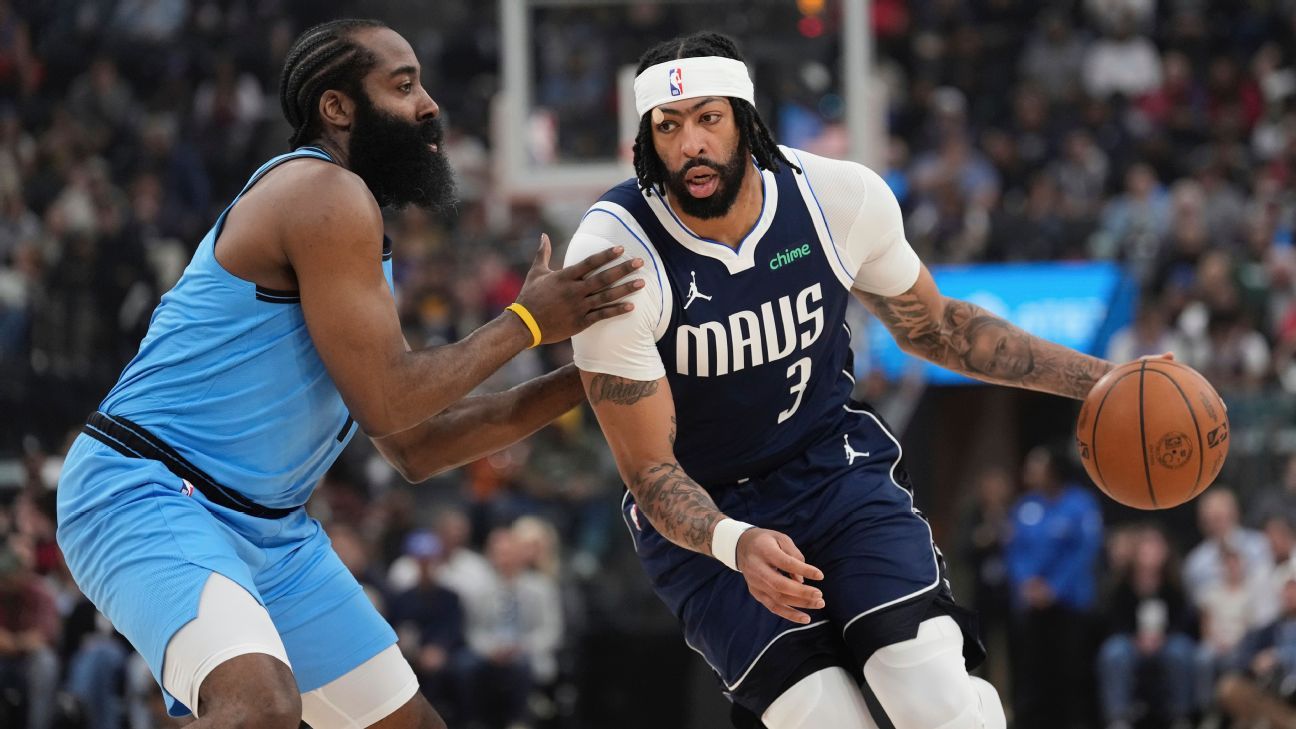
NBA Trade Deadline Analysis: Giannis Uncertainty and the Lakers' New Look
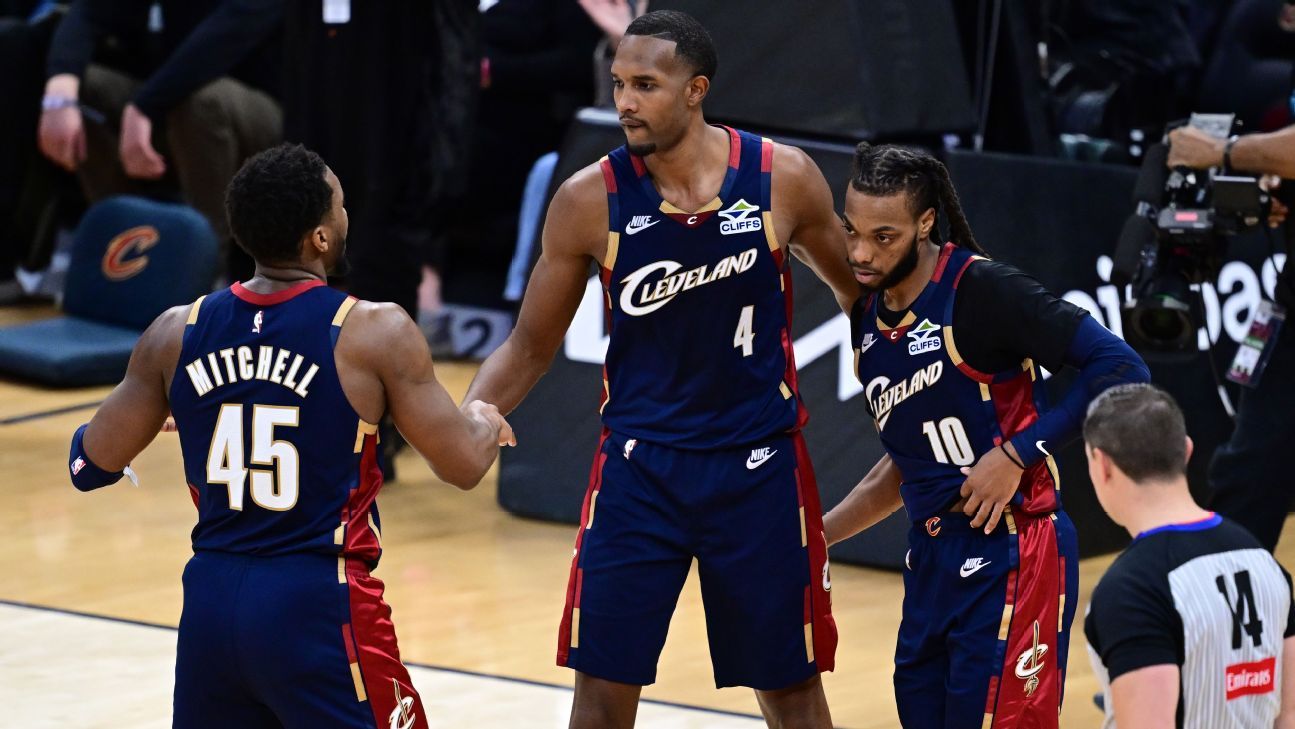
NBA Trade Deadline Winners and Losers: Grading the Biggest Moves