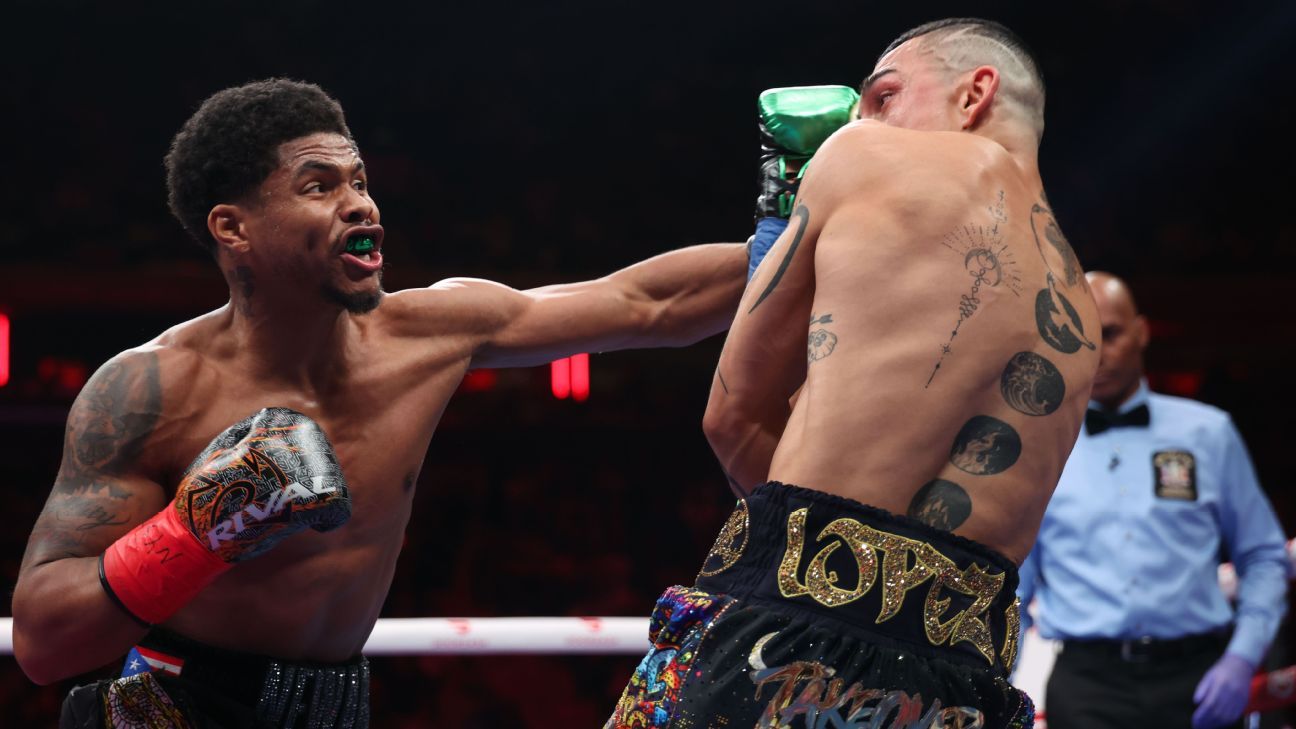
Following his move to the junior welterweight division, the Shakur Stevenson WBC title reign has officially ended with a controversial ruling and a heated social media response.
The landscape of the lightweight division has been drastically altered this week following the news that the Shakur Stevenson WBC title status has been officially revoked. Just days after achieving a career-defining victory over Teofimo Lopez to capture the WBO junior welterweight championship, Stevenson found himself at the center of a boxing firestorm. The World Boxing Council (WBC) moved swiftly to vacate his 135-pound throne, a decision that has sparked a vitriolic response from the three-division champion.
Stevenson, who has never lost inside the ring, took to social media to voice his extreme displeasure with the sanctioning body. The Newark native did not mince words, labeling the organization as "crooks" in a series of posts that have since gone viral across the combat sports world. The move marks a turning point in Stevenson's career as he transitions from being a unified threat at lightweight to a major player in the 140-pound landscape, though the bitter taste of the administrative decision remains.
The Reasoning Behind the WBC Decision
The decision regarding the Shakur Stevenson WBC title was rooted in the organization's strict rules regarding multi-division champions. Typically, when a fighter moves up in weight and captures a title in a higher class, they are given a short window to decide which weight limit they intend to defend. However, the WBC acted with what Stevenson's camp considers "unprecedented speed."
By winning the WBO belt at 140 pounds against Lopez, Stevenson technically became a champion in two weight classes simultaneously. The WBC bylaws generally prohibit a fighter from holding titles in two different divisions across different organizations unless a specific "undisputed" path is laid out. Because Stevenson showed no immediate intention of returning to 135 pounds for his next bout, the WBC moved to declare the lightweight title vacant, effectively forcing Stevenson out of the position he worked years to attain. This administrative maneuver has reignited the debate over the power of sanctioning bodies and their impact on a fighter's legacy.
Stevenson Fires Back at Boxing 'Crooks'
Shakur Stevenson is known for his defensive brilliance in the ring, but he went on the offensive immediately following the announcement. Taking to X (formerly Twitter), the champion unleashed a tirade against the WBC leadership. "They are nothing but crooks," Stevenson stated, suggesting that the organization was more interested in collecting sanctioning fees from new title fights than rewarding the merit of the current champion.
His frustration stems from the belief that he earned the right to dictate his terms after a dominant performance against Teofimo Lopez. Stevenson argued that he should have been allowed to hold the Shakur Stevenson WBC title as a "Champion in Recess" or given a grace period to see how the 140-pound landscape settled. Instead, the sudden vacancy allows the WBC to set up a new title fight, likely involving top-ranked contenders who Stevenson feels haven't earned the opportunity the way he did. This public fallout further strains the relationship between one of boxing's brightest stars and one of its most powerful governing bodies.
Impact on the Lightweight and Junior Welterweight Divisions
The loss of the Shakur Stevenson WBC title creates a massive power vacuum at 135 pounds. For months, the lightweight division has been the most talked-about weight class in the sport, featuring names like Gervonta "Tank" Davis, Vasily Lomachenko, and William Zepeda. With the WBC belt now up for grabs, a scramble for the vacant title is inevitable. This likely sets the stage for a matchup between the top available contenders, potentially reshaping the rankings and creating a new champion who didn't have to go through Stevenson to get the gold.
Meanwhile, at junior welterweight, Stevenson remains a formidable force. His victory over Lopez proved that his skill set translates perfectly to the higher weight class. However, by losing his leverage as a lightweight champion, Stevenson loses some of his bargaining power for future cross-divisional superfights. He is now firmly a 140-pounder, and while his talent is undeniable, the political fallout with the WBC could make navigating future title opportunities more difficult if other sanctioning bodies follow suit.
What’s Next for Shakur Stevenson?
Despite the controversy surrounding the Shakur Stevenson WBC title, the fighter's future remains bright. He is currently one of the most avoided men in boxing due to his technical proficiency and high ring IQ. Moving forward, Stevenson is expected to target the other champions at 140 pounds, including potential unification bouts with the likes of Liam Paro or the winner of upcoming high-profile junior welterweight clashes.
Fans and analysts are divided on the WBC's move. Some argue that the rules must be followed to keep the divisions moving, while others see it as a predatory move to generate more title fight fees. Regardless of the stance, Shakur Stevenson has made it clear that he does not need a specific belt to prove he is the best in the world. As he moves into this new chapter of his career, the "crooks" comment will likely haunt his relationship with the WBC for years to come, potentially leading him to favor the WBO, IBF, and WBA paths to undisputed status. For now, the boxing world watches to see if Stevenson can turn this administrative setback into fuel for his next dominant performance in the ring.
Stay informed
Follow SportsNow.
Join the reader list for future briefings and important newsroom updates.
Reader conversation
Your take on the story
Stay with the story
Related coverage
Open desk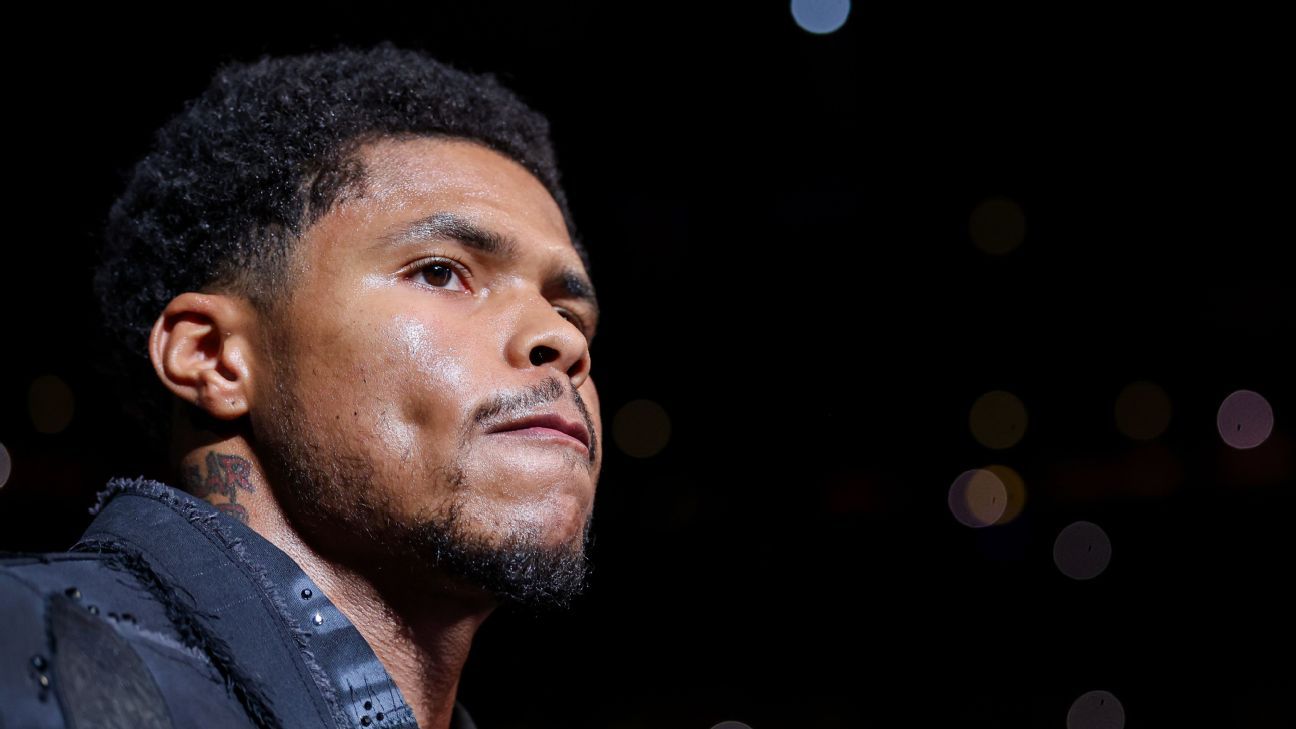
Shakur Stevenson Released from Zuffa Boxing to Start Own Promotion
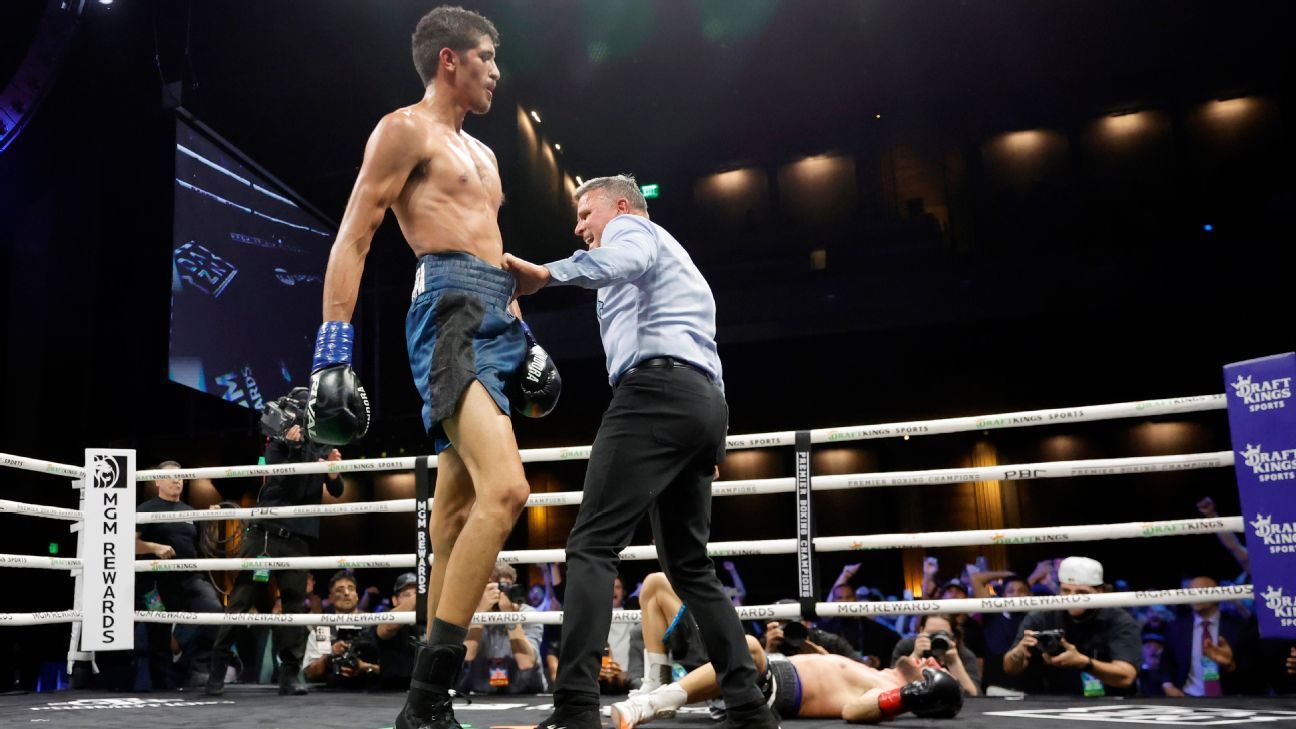
Sebastian Fundora Retains WBC Title With Last-Second Knockout of Ermal Hadribeaj
