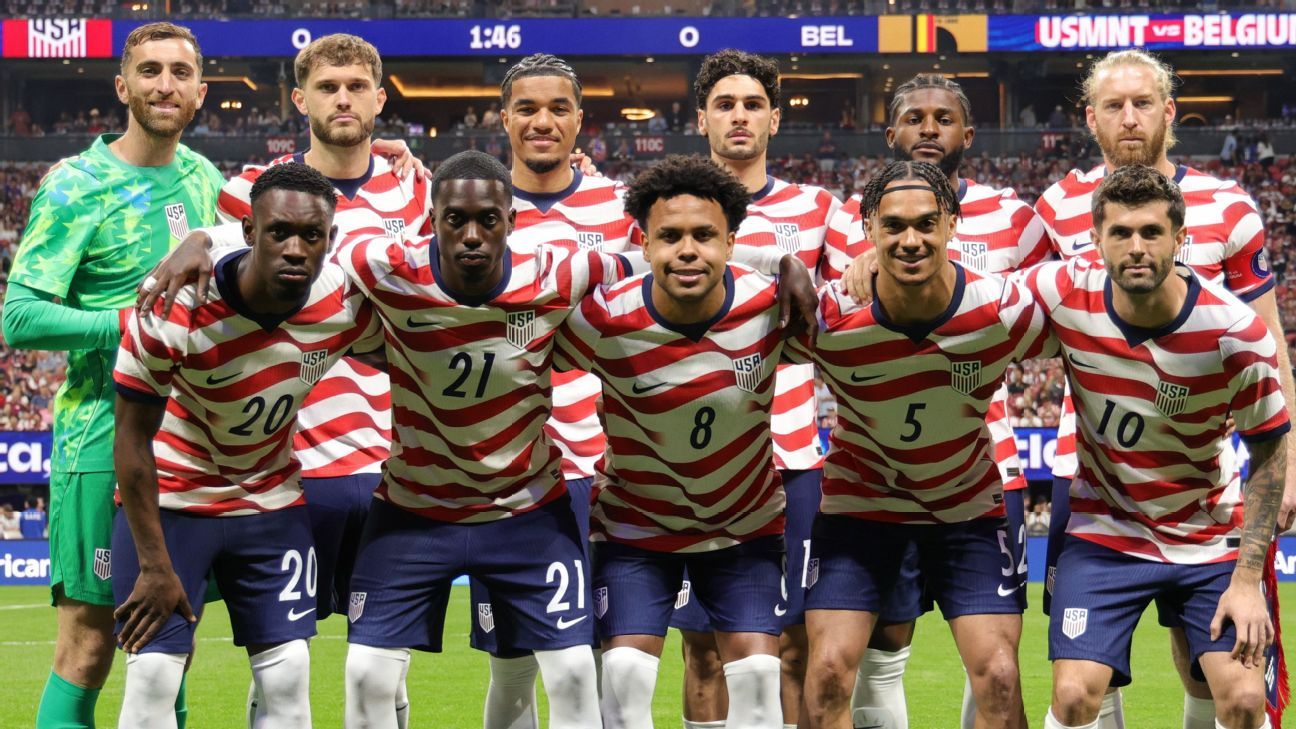
A comprehensive breakdown of the 48 qualified nations for the 2026 World Cup, ranking every participant by competitive data and tournament standing.
The 2026 World Cup features a historic expansion to 48 teams, a 50% increase from the previous 32-nation format used since 1998. This specific roster of participants will compete across 104 total matches hosted in 16 cities throughout North America. FIFA’s official entry list confirms that these forty-eight squads represent the largest field in the history of the competition, necessitating a rigorous evaluation of the competitive hierarchy before the opening kickoff at Estadio Azteca.
Argentina enters the 2026 cycle as the defending champion, having secured their third star after a 3-3 draw and a 4-2 penalty shootout victory over France in the 2022 final. Lionel Scaloni’s side currently maintains the top position in the global standings, bolstered by a defensive record that saw them concede only eight goals during the entire qualifying campaign. Their status as the number one seed among the 48 contenders is supported by a win percentage exceeding 80% over the last twenty-four months of international play.
France occupies the second slot in this ranking, driven by the offensive output of Kylian Mbappé, who became the first player since 1966 to score a hat-trick in a final. The French squad boasts a squad depth that includes over 25 players currently active in Europe’s top five leagues. Statistical models place their probability of reaching the quarter-finals at 68%, the highest of any European nation in the expanded forty-eight-team bracket. Their tactical flexibility remains a primary differentiator against lower-seeded opponents.
England and Brazil round out the top four, with the Three Lions currently averaging 2.4 goals per match in competitive fixtures. Brazil’s qualifying statistics highlight a recovery in form, featuring a pass completion rate of 89% in the final third. These two nations represent the core of the elite tier within the 48-team structure, possessing a combined market value for their starting elevens that exceeds 1.5 billion euros. Their historical performance in group stages suggests a high likelihood of advancing into the newly introduced Round of 32.
Mid-tier rankings for the 2026 World Cup include nations like Morocco, who became the first African side to reach a semi-final, and Japan, known for a high-press system that averages 12.5 interceptions per 90 minutes. These teams occupy the 10th through 20th positions, serving as the primary disruptors in the expanded format. The inclusion of more slots has allowed for a broader distribution of talent, with the bottom third of the 48 teams consisting largely of debutants or returning nations with lower FIFA coefficients.
The final quadrant of the forty-eight participants features teams with an average Elo rating below 1700. While these squads are considered outsiders, the 2026 tournament’s three-team group structure increases the statistical volatility of early results. Data from previous continental championships indicates that the gap between the 24th and 48th ranked teams has narrowed to a margin of just 0.5 expected goals per game. This parity ensures that the expanded field remains competitive despite the increased number of total participants.
Stay informed
Follow SportsNow.
Join the reader list for future briefings and important newsroom updates.
Reader conversation
Your take on the story
Stay with the story
Related coverage
Open desk
PSG and Barcelona Top Champions League Power Rankings Before Matchday 3
USWNT U17 Crushes Samoa 17-0 to Set FIFA World Cup Scoring Record