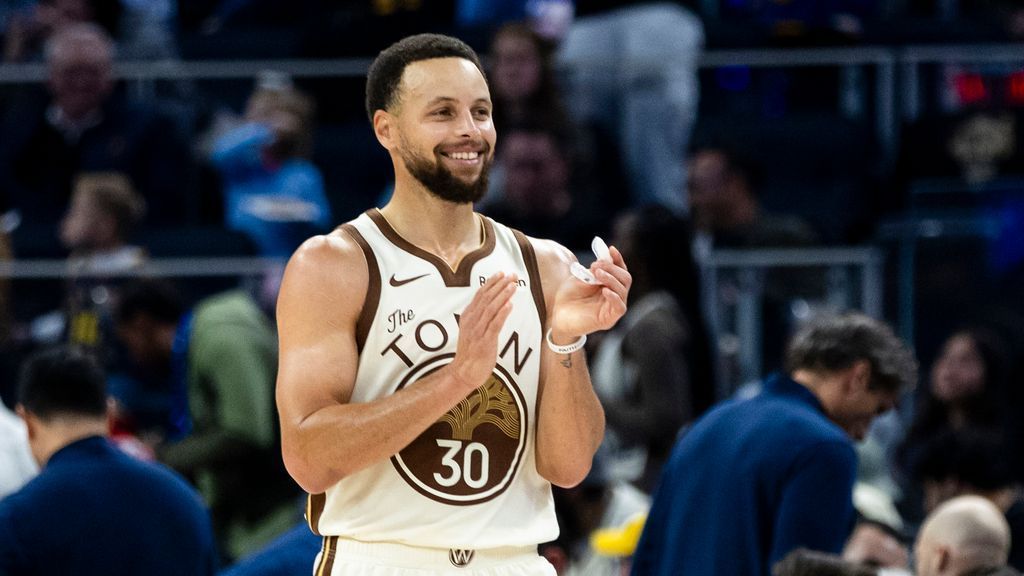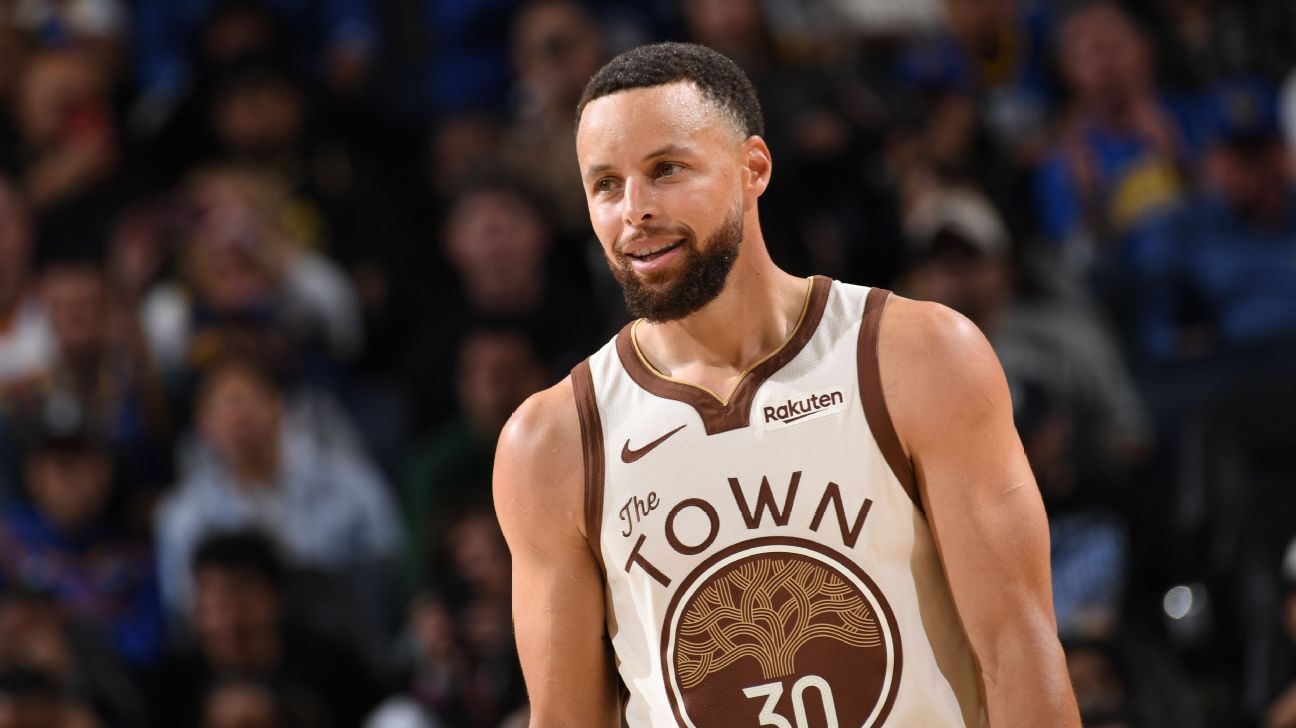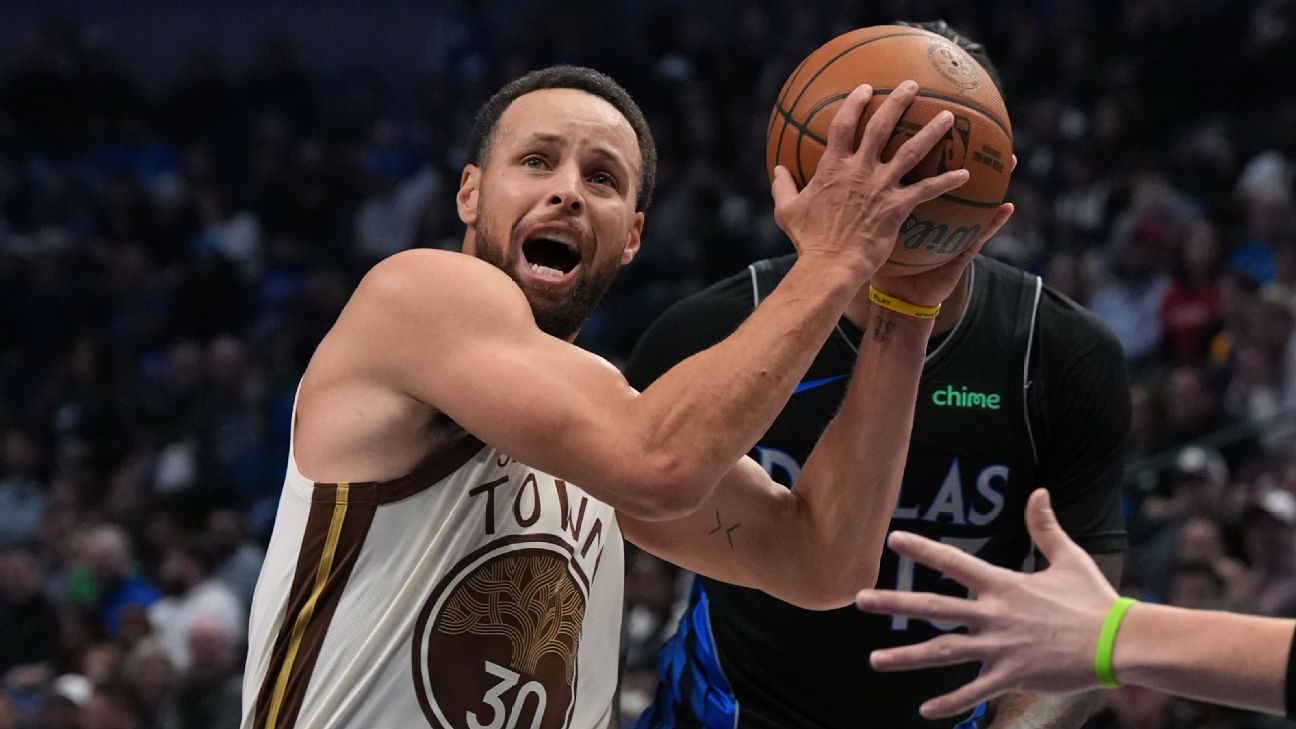
A second Stephen Curry MRI on his right knee showed no structural damage, though persistent pain prevents his return to the court.
Stephen Curry underwent a follow-up MRI on his right knee within the last 24 hours that returned clean, according to sources reporting to ESPN’s Shams Charania. Despite the lack of structural damage shown in the imaging, the Golden State Warriors star continues to deal with persistent pain that has sidelined him from active competition. Physical swelling in the joint remains a primary factor preventing his immediate return to the hardwood.
Medical Imaging Results for Stephen Curry
The most recent Stephen Curry MRI serves as a critical diagnostic data point for the veteran guard as he manages this specific lower-body ailment. While the medical scans did not reveal any new tears or significant structural concerns, the clinical symptoms have not yet subsided. This latest evaluation follows previous assessments of the right knee, which has been described as bothersome throughout this recent stretch of inactivity. The clean scan confirms that the underlying bone and ligament structures remain intact despite the ongoing discomfort reported by the player.
Impact of Persistent Pain and Swelling
Inflammation remains the significant hurdle for the NBA’s all-time three-point leader, as the swelling has not dissipated enough to allow for full basketball activities. The presence of fluid in the right knee often complicates the recovery timeline, regardless of what the imaging suggests regarding the integrity of the joint. Until the physical swelling is reduced, the medical staff cannot cleared the guard for high-intensity movements required for professional play. The persistent nature of the pain indicates that the recovery process is currently dictated by symptom management rather than surgical intervention.
Current Status and Return to Play
There is currently no specific date set for when the court will see the return of the Warriors' primary offensive engine. The transition from a clean MRI to active play requires a period where the knee can withstand the stress of cutting and jumping without a resurgence of swelling. Sources indicate that the team is monitoring the situation closely, prioritizing the long-term health of the right knee over a premature return. The absence of structural damage is an optimistic sign for his eventual availability, even as the immediate pain prevents him from participating in team practices or scheduled games.
Medical experts typically look for a range of motion to return to baseline levels before a player of this caliber is reinserted into the lineup. Because the pain is described as persistent, the day-to-day status of the athlete remains contingent on how the knee responds to light treatment and rehabilitation exercises. The focus remains on reducing the internal pressure within the joint to facilitate a safe return to the court.
Stay informed
Follow SportsNow.
Join the reader list for future briefings and important newsroom updates.
Reader conversation
Your take on the story
Stay with the story