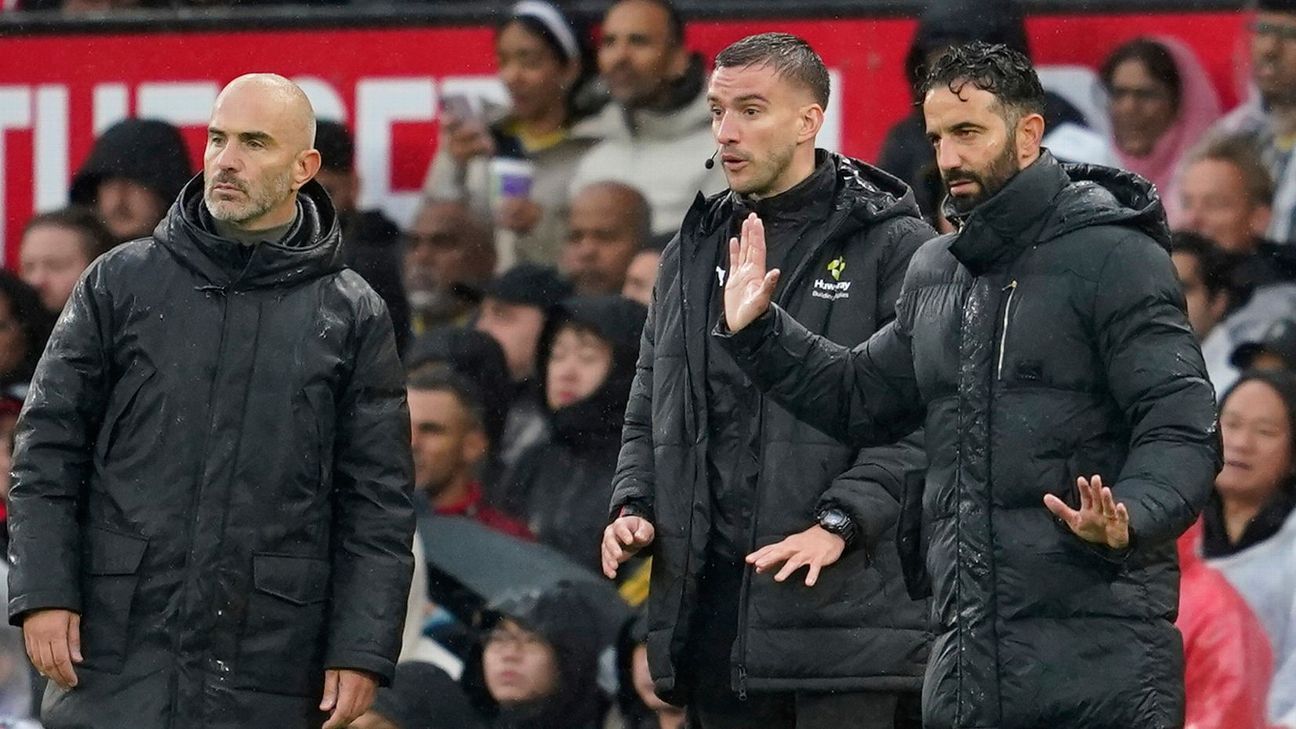
As tactical specialists like Ruben Amorim and Enzo Maresca take the reins at England's biggest clubs, the era of the all-powerful 'Manager' is being replaced by the surgical precision of the 'Head Coach.'
The Death of the Gaffer? Understanding the Shift from Managers to Modern Head Coaches
The image of the traditional British football manager—a tracksuit-clad figure wielding absolute power over everything from the scouting department to the halftime oranges—is fading into history. In the high-stakes theater of the Premier League, the 'Gaffer' is being replaced by the 'Architect.' Figures like Enzo Maresca at Chelsea and Ruben Amorim at Manchester United are the new face of this evolution, arriving with titles that suggest a narrower, more specialized focus: Head Coach. This transformation isn't merely semantic; it represents a fundamental restructuring of how top-tier football clubs operate, reflecting the sport's increasing complexity and commercial pressures.
Historically, a 'Manager' like Sir Alex Ferguson or Arsène Wenger acted as a club's CEO, overseeing recruitment, academy pipelines, and long-term strategy. Their influence permeated every facet of the club, from youth development to multi-million-pound transfer negotiations. They were often the public face, the strategic mastermind, and the emotional core of the institution. Today, the modern football head coach is hired to do one thing above all else: win on the grass. By stripping away the administrative burdens of transfer negotiations, financial planning, and extensive commercial duties, clubs allow these tactical minds to obsess over pressing triggers, inverted fullbacks, and passing triangles. This shift isn't just about a change in job title; it’s a reflection of how football has become too complex and expensive for a single person to control every lever effectively. The sheer volume of data, the global scouting networks, and the intricate financial regulations now demand a team of experts, rather than a singular omnipotent figure.
But does this distinction actually matter on a Tuesday night at an away ground? For the fans, perhaps not, as the ultimate goal remains victory. However, for the internal health and long-term sustainability of a club, it is everything. By utilizing a Head Coach model, clubs create a system of 'continuity over personality.' When a football head coach is sacked, the sporting director and the scouting network remain largely intact, ensuring the squad doesn't need a total overhaul every time the man in the dugout changes. This approach fosters a more consistent club philosophy and reduces the disruptive impact of managerial turnover. It’s a deliberate move toward the continental European model, where the coach is a vital cog in the machine rather than the engine itself, working within a pre-established structure and vision. This systematic approach aims to build resilience against the inevitable ups and downs of football.
However, this new era isn't without its friction. The Head Coach model requires a delicate ego balance; the coach must work in total harmony with a Sporting Director who often holds ultimate power over player acquisitions and sales. This division of labor, while designed for efficiency, can become a source of tension. When results dip, the 'Head Coach' often complains, sometimes subtly and sometimes overtly, about the tools they've been given, suggesting the squad isn't tailored to their tactical vision. Conversely, the board and sporting director might point to the tactical execution, questioning the coach's ability to maximize the talent at their disposal. As we watch Amorim and Maresca navigate the pressures of their respective London and Manchester hot seats, we are witnessing the final transition of the Premier League into a league of specialists. The age of the all-encompassing dictator is over; the age of the tactical technician has truly arrived, demanding a new level of collaboration and accountability.
The Rise of the Sporting Director and Data Analytics
The emergence of the football head coach as a specialized role is inextricably linked to the growing power and influence of the Sporting Director. This position, once rare in English football, has become a cornerstone of modern club management. The Sporting Director is typically responsible for overseeing the club's footballing strategy, including player recruitment, academy development, and the long-term vision for the squad. They act as a buffer between the board and the head coach, ensuring that transfer targets align with the club's philosophy and financial capabilities, rather than solely the immediate demands of the coach. This shift has also been fueled by the explosion of data analytics in football. Clubs now employ vast teams of analysts who scrutinize every aspect of performance, from player tracking to opposition scouting and transfer market valuation. The Sporting Director often leads this data-driven approach, providing the head coach with a meticulously assembled squad and a wealth of information, allowing the football head coach to focus purely on tactical implementation and player motivation. This scientific approach to squad building and performance analysis further diminishes the need for a single individual to possess encyclopedic knowledge across all domains.
Implications for Player Development and Club Identity
The transition to the head coach model also carries significant implications for player development and the long-term identity of a club. Under the traditional manager, a club's playing style and philosophy often changed drastically with each new appointment, leading to cycles of squad overhauls and inconsistent youth pathways. With a Sporting Director dictating a consistent footballing philosophy, the head coach is expected to work within that framework. This can lead to a more coherent player development strategy, where academy graduates are nurtured to fit a specific style of play, making their transition to the first team smoother.
Furthermore, this model aims to build a more resilient club identity that transcends individual personalities. Instead of being defined by the current manager, the club's ethos becomes embedded in its structure and its long-term vision. This can be particularly beneficial during periods of coaching instability, as the core principles and squad composition remain largely consistent. However, a potential drawback is the risk of stifling innovation. A highly prescriptive club philosophy, enforced by a Sporting Director, might limit a football head coach's ability to implement truly unique or unconventional tactical approaches, potentially leading to a homogenized style of play across the league. The art of coaching, in this new paradigm, becomes less about dictating every aspect and more about expertly executing a pre-defined strategy with the tools provided.
Stay informed
Follow SportsNow.
Join the reader list for future briefings and important newsroom updates.
Reader conversation