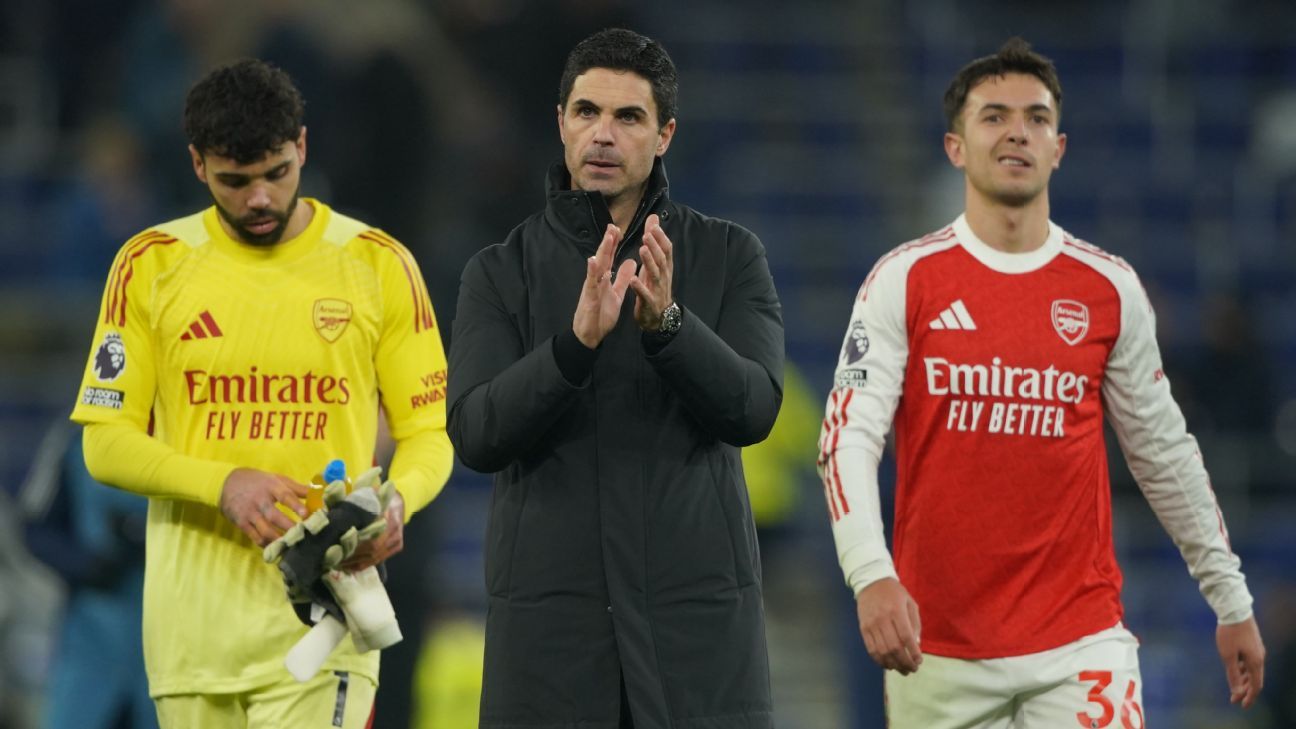
Modern football is moving away from the era of all-powerful managers, replacing them with specialized Premier League head coaches who fit into a corporate hierarchy.
The landscape of English football is undergoing a seismic shift that transcends what happens on the pitch. For decades, the ‘manager’ was the undisputed king of the castle, a figure like Sir Alex Ferguson or Arsène Wenger who controlled everything from the first-team tactics to the color of the training ground walls. Today, that archetype is extinct. In its place, we have seen the rise of Premier League head coaches, a title change that signifies a much deeper transformation in how multi-billion dollar football clubs operate.
The Shift from Manager to Head Coach
In the traditional British model, the manager was a generalist. They scouted players, negotiated contracts, managed the academy, and handled the media, all while coaching the team for Saturday’s kickoff. However, as the Premier League evolved into a global commercial juggernaut, the workload became too immense for a single individual. The transition to Premier League head coaches reflects a move toward specialization.
Clubs are no longer just sports teams; they are massive corporate entities with thousands of employees. In this environment, owners prefer a 'Head Coach' who focuses specifically on the squad's performance and tactical preparation. This allows the administrative and recruitment duties to fall under a Sporting Director or Director of Football. While fans might miss the romanticism of the all-powerful 'Gaffer,' the reality is that modern football is too complex for the old-school managerial model to survive.
Why Modern Clubs Prefer the Corporate Model
One of the primary reasons for the proliferation of Premier League head coaches is risk management. When a club is centered entirely around one man, his departure can lead to a total collapse—as seen at Manchester United following Ferguson’s retirement. By stripping away the 'manager' title and installing a head coach, clubs ensure that the infrastructure remains intact even if the man in the dugout changes.
This corporate structure provides a level of continuity that was previously impossible. The Sporting Director sets a long-term philosophy for the club, ensuring that the style of play and recruitment strategy remain consistent. When one of the Premier League head coaches is sacked, the club doesn't need to rebuild the entire scouting department or change their entire medical staff; they simply slot a new coach into an existing, functional system. This 'plug-and-play' approach is far more attractive to American owners and venture capital firms who view stability as the key to protecting their investment.
The Loss of Autonomy and the Power of Data
For many Premier League head coaches, the trade-off for focusing solely on football is a significant loss of autonomy. In the past, if a manager wanted a specific striker, the club bought him. Today, recruitment is driven by data analytics and recruitment departments. A head coach might be presented with a list of three options that fit the club's statistical profile and told to pick one, or in some cases, told exactly who is arriving.
This data-driven approach reduces the margin for human error, but it can also lead to friction. We often see tension between Premier League head coaches and their boards when results falter. The coach argues they weren't given the tools they needed, while the board argues the coach failed to get the best out of the expensive assets provided. This separation of powers is designed to create checks and balances, but it often creates a culture of blame that didn't exist when the manager held all the cards.
Is the New Era Better for the Fans?
Whether the rise of Premier League head coaches is a positive development for supporters remains a subject of intense debate. On one hand, the level of tactical sophistication in the league has never been higher. Coaches like Pep Guardiola and Mikel Arteta—who, despite their influence, operate within these modern structures—have elevated the technical quality of the game to unprecedented heights. The specialization allows for meticulous attention to detail in areas like set-piece coaching, nutrition, and recovery.
On the other hand, some feel the soul of the game is being eroded. The legendary figures who stayed at clubs for twenty years and built a personal connection with the community are a thing of the past. Most Premier League head coaches now have a shelf life of two to three years. They are viewed as elite consultants rather than the heart of the institution. While the football is faster and the business is more profitable, the emotional bond between the leader of the team and the fans has undeniably changed.
In conclusion, the era of the 'Manager' is over. The age of Premier League head coaches is here to stay, driven by the demands of global finance and the necessity of organizational stability. While we may never see another Ferguson or Wenger, the modern head coach represents the peak of tactical evolution in an industry that has outgrown its humble roots.
Stay informed
Follow SportsNow.
Join the reader list for future briefings and important newsroom updates.
Reader conversation
Your take on the story
Stay with the story
Related coverage
Open desk
Manchester City Appeals Guilty Verdict in Premier League Financial Case

Hypothetical Premier League Draft: Hull City Selects Erling Haaland First Overall