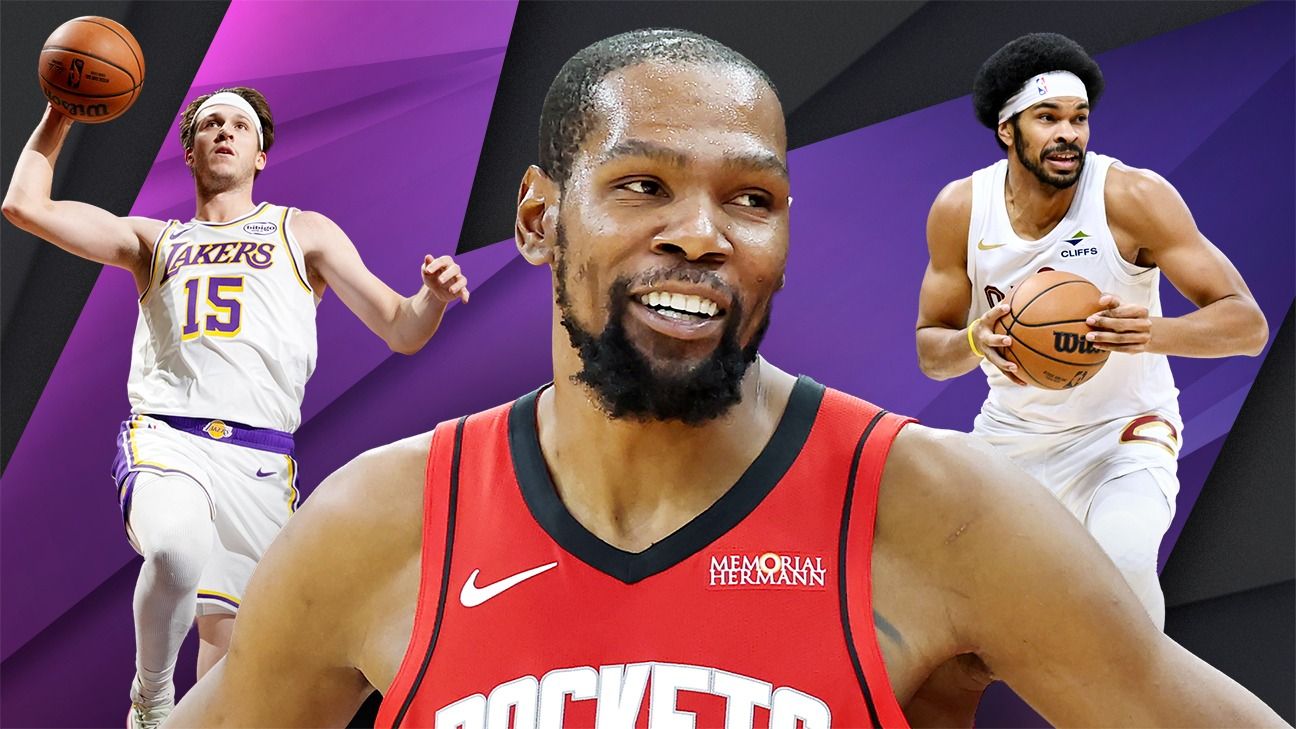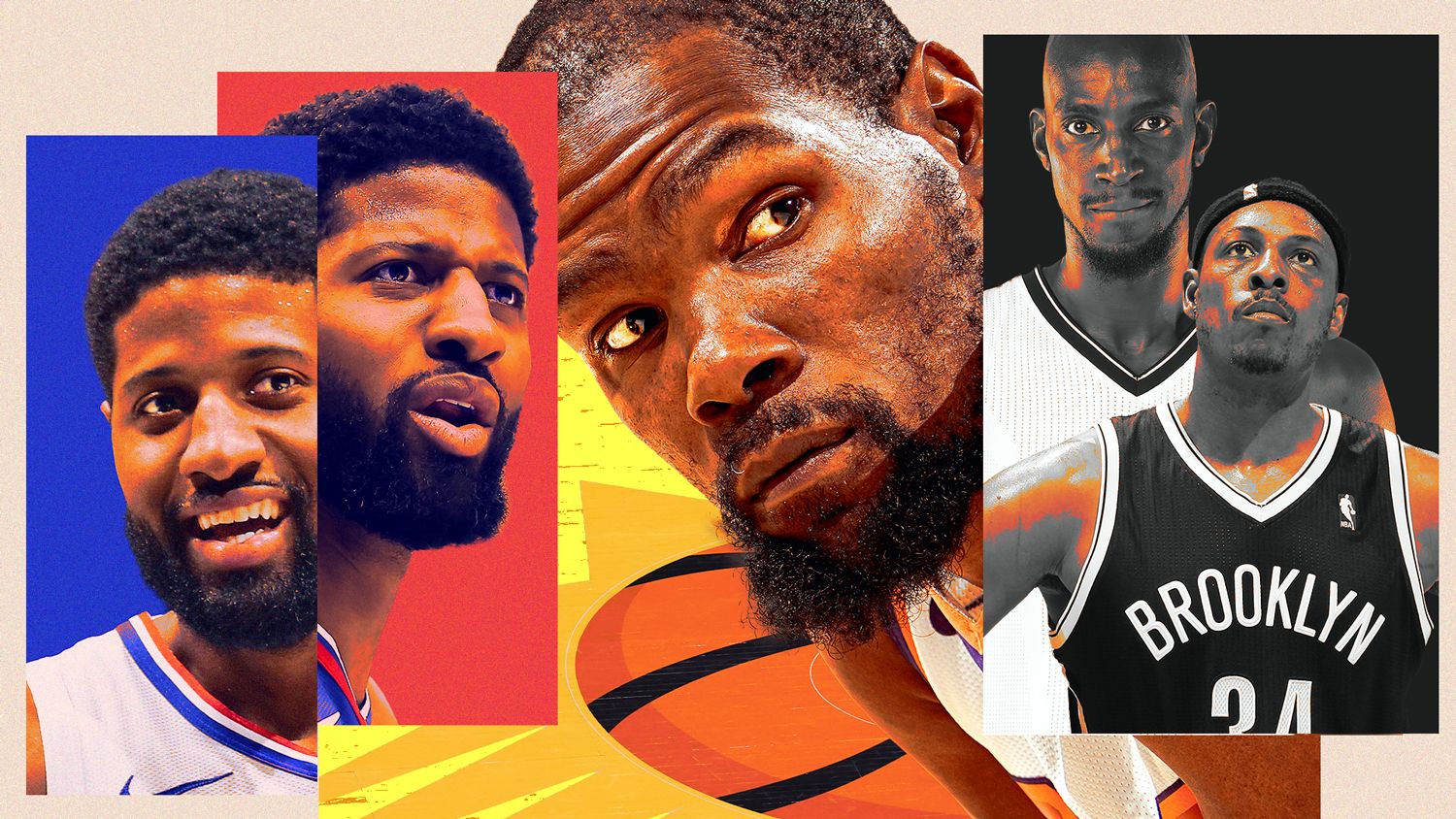
As the era of the unprotected draft pick comes under scrutiny, we dissect the legacy of the NBA's biggest star-studded trades to see who actually struck gold.
The High-Stakes Gamble: Have the NBA’s ‘All-In’ Blockbusters Delivered on the Hype?
In the modern NBA, the 'trade request' has become as much a part of the league’s fabric as the three-point shot. For years, the prevailing philosophy among front offices was simple: if a disgruntled superstar becomes available, you empty the cupboard. Draft picks, pick swaps, and promising young talent were treated as mere bargaining chips in the pursuit of immediate championship glory. This aggressive strategy, often dubbed the "NBA all-in trades" approach, prioritizes a short-term championship window above all else, often at the expense of long-term stability. However, as the league shifts toward a more restrictive collective bargaining agreement, the 'all-in' move is beginning to look less like a masterstroke and more like a dangerous game of Russian roulette, with significant implications for team building and competitive balance.
Evaluating 14 of the most seismic deals made since 2013 reveals a polarizing landscape of triumph and catastrophe. For every success story like Anthony Davis—whose arrival in Los Angeles immediately culminated in a 2020 title, fulfilling the promise of an NBA all-in trade—there is a cautionary tale gathering dust in the rafters. The Lakers' move for Davis, while costly in terms of young assets, paid immediate dividends, validating their aggressive stance. The Brooklyn Nets, for instance, have become the poster child for the 'boom or bust' cycle twice over. From the infamous 2013 aging veteran heist by the Celtics, which saw them trade a treasure trove of picks for Paul Pierce and Kevin Garnett, to the more recent, ill-fated desertion of the Kevin Durant and James Harden era, the franchise has proven that accumulating talent is significantly easier than sustaining winning chemistry. These high-profile NBA all-in trades, while generating immense buzz, ultimately failed to deliver the ultimate prize for the Nets, leaving them in a precarious position for years.
What truly defines a 'successful' blockbuster in today’s market? It isn't just about the hardware, though that remains the ultimate barometer. True victory lies in the sustainability of the window. Teams like the Milwaukee Bucks and Toronto Raptors showed that a single, calculated swing for a star (Jrue Holiday and Kawai Leonard, respectively) can provide the missing piece of a championship puzzle without completely gutting the future. The Bucks' acquisition of Holiday, for example, was an NBA all-in trade that perfectly complemented Giannis Antetokounmpo, elevating them to a championship. Similarly, the Raptors' bold move for Leonard, despite the risk of him leaving after one season, yielded a title and cemented their place in history. Conversely, teams that mortgaged their entire future for a 'name' without a cohesive roster fit often find themselves stuck in the NBA's version of purgatory: too depleted to compete and too stripped of assets to rebuild, a consequence of poorly executed NBA all-in trades.
The Financial Tightrope: New CBA's Impact on All-In Strategies
The new Collective Bargaining Agreement (CBA) is poised to significantly alter the calculus behind NBA all-in trades. With harsher penalties for exceeding the luxury tax and a new "second apron" that restricts team building for the highest-spending franchises, the days of simply outspending the competition to assemble a superteam are becoming increasingly difficult. Teams will face severe limitations on using mid-level exceptions, trading future first-round picks, and even signing buyout candidates if they cross these financial thresholds. This means that an NBA all-in trade that pushes a team deep into the luxury tax could cripple their ability to fill out the roster with necessary depth and role players, making the pursuit of a single superstar a much riskier proposition. The emphasis will shift from pure talent acquisition to strategic roster construction within strict financial parameters, forcing general managers to weigh the immediate gratification of a blockbuster trade against the long-term financial health and flexibility of their franchise. The margin for error on these high-stakes gambles has shrunk considerably.
The Human Element: Chemistry and Culture in Superteams
Beyond the financial and asset-related risks, the human element often proves to be the most unpredictable factor in NBA all-in trades. As the Brooklyn Nets' recent history vividly illustrates, simply assembling a collection of individual superstars does not guarantee a cohesive, winning team. Chemistry, ego management, and a shared commitment to a common goal are paramount. Superstars, by their very nature, are accustomed to being the focal point, and integrating multiple alpha personalities requires exceptional coaching, strong leadership, and a willingness from the players themselves to sacrifice individual statistics for collective success. When these elements are absent, the locker room can quickly devolve into discord, undermining even the most talented rosters. The pressure to win immediately after an NBA all-in trade is immense, and any internal friction can be magnified under the intense media scrutiny that accompanies these high-profile teams. Ultimately, a successful NBA all-in trade isn't just about acquiring talent; it's about acquiring the right talent that fits both on and off the court, fostering a culture of collaboration rather than competition among stars.
As we look toward the future, the league is entering a 'Great Correction.' Front offices are becoming increasingly hesitant to surrender five or six years of draft capital, realizing that the 'Superteam' era may have been more of an anomaly than a blueprint. The data suggests that while a superstar can get you to the doorstep, it is the depth and flexibility sacrificed in these NBA all-in trades that often prevents a team from actually walking through it. The long-term consequences of emptying the asset cupboard for a short-term window are becoming clearer, with many teams now facing years of rebuilding without the necessary draft capital to do so effectively. In the high-stakes world of NBA trades, the most expensive move is often the one that leaves you with nowhere left to go, highlighting the critical need for prudence and strategic foresight in every NBA all-in gamble.
Stay informed
Follow SportsNow.
Join the reader list for future briefings and important newsroom updates.
Reader conversation
Your take on the story
Stay with the story