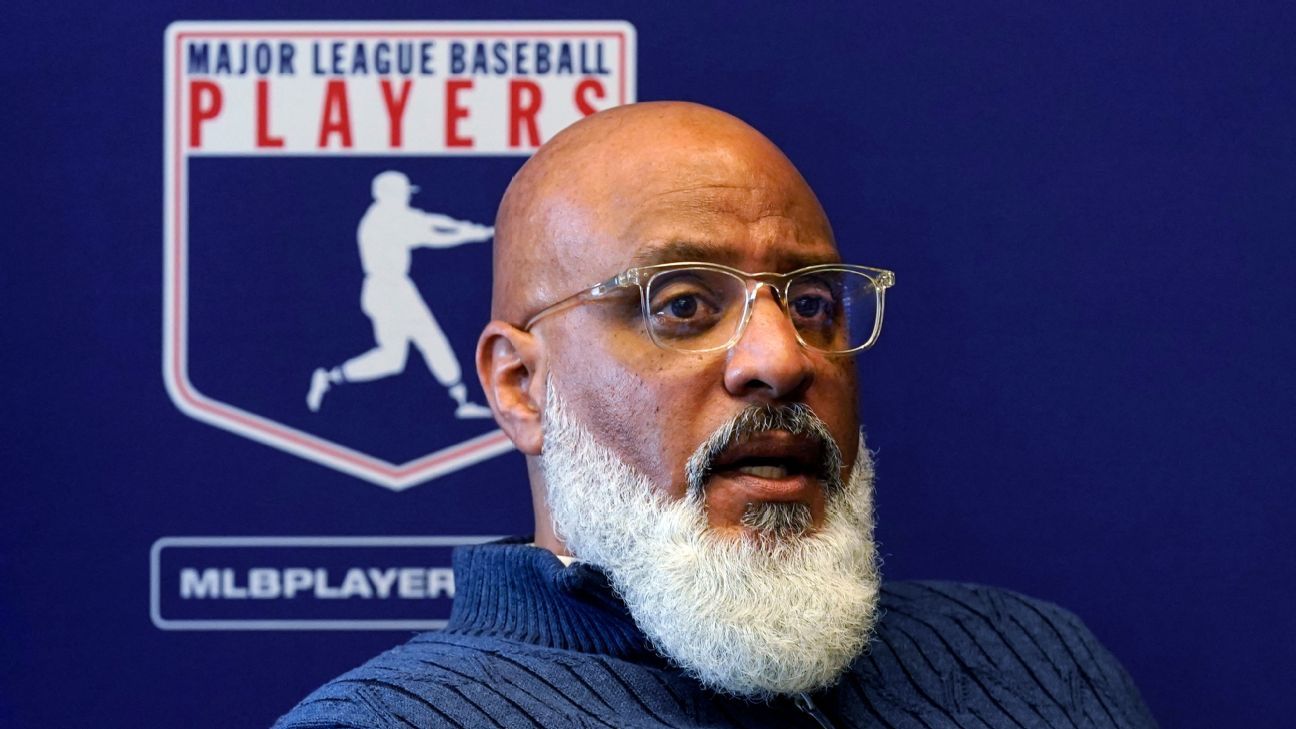
Tony Clark stepped down from his role as the head of the Major League Baseball Players Association on Tuesday, leaving the union months before the CBA expires.
Tony Clark resigned as the executive director of the Major League Baseball Players Association on Tuesday. This departure occurred with less than 12 months remaining before the current collective bargaining agreement (CBA) is scheduled to expire. Sources confirmed the news to ESPN, marking an immediate shift in the union's front-office hierarchy. The former first baseman had served as the primary representative for professional ballplayers since 2013, overseeing multiple rounds of labor negotiations with league owners.
The timing of this exit is critical because the existing CBA governs the economic framework of the sport, including luxury tax thresholds and minimum salaries. With the contract set to terminate in under a year, the MLBPA must now pivot toward selecting a successor to lead upcoming discussions. Tuesday's announcement leaves a vacancy at the highest level of the organization during a period typically reserved for finalizing strategic demands. No interim director was named in the initial reports regarding the leadership change.
During his tenure, Clark navigated the 99-day lockout that preceded the 2022 season, eventually securing a deal that increased the minimum player salary to $700,000. That agreement also introduced the pre-arbitration bonus pool, which distributed $50 million to high-performing young athletes. His resignation removes a veteran negotiator from the table just as the union prepares to address the next cycle of revenue sharing and service time rules. Internal union structures will be tested as staff members manage daily operations without a permanent executive head.
Statistical data from the previous bargaining cycle shows that the union sought significant changes to the competitive balance tax, which currently sits at a base of $237 million for 2024. The next representative will inherit a membership that has grown increasingly focused on service time manipulation and the draft lottery system. Sources indicate that the resignation was unexpected by several agents and players who were preparing for winter meetings. This transition happens while the league is experiencing record-high revenues, surpassing $11.6 billion in the most recent fiscal year.
The MLBPA board, comprised of active players, is responsible for the formal selection of a new director to oversee the 1,200 members of the union. This group must act quickly to ensure that the momentum gained during the 2022 negotiations is not lost during the leadership vacuum. The upcoming labor talks are expected to focus on the impact of regional sports network bankruptcies on local team payrolls. Without Clark at the helm, the union's legal team will likely take a more prominent role in preliminary discussions with Commissioner Rob Manfred’s office.
Historical context shows that Clark was the first former player to lead the association since its inception. His departure marks the end of an era defined by increased player activism and social media engagement regarding labor rights. The union's headquarters in Manhattan will now serve as the staging ground for a search committee tasked with finding a replacement capable of managing complex antitrust issues. As the clock ticks toward the CBA expiration date, the urgency for a unified front remains the top priority for the player representatives across all 30 Major League franchises.
Stay informed
Follow SportsNow.
Join the reader list for future briefings and important newsroom updates.
Reader conversation