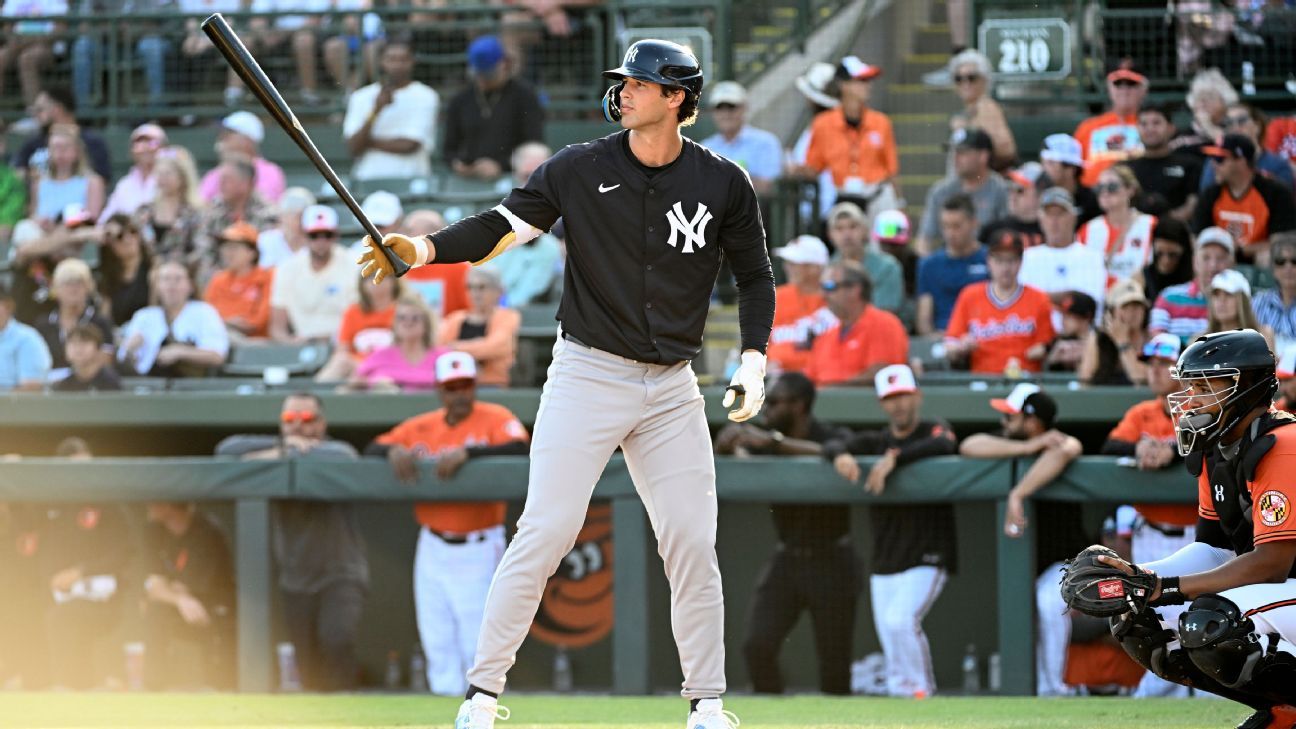
While the top 100 lists get the headlines, these MLB breakout prospects ranked 101-200 are the hidden gems ready to take the league by storm this season.
The annual release of the top 100 prospect lists is a holiday of sorts for baseball enthusiasts, but the real value for savvy fans and fantasy managers often lies just beneath the surface. Identifying MLB breakout prospects before they become household names is the key to understanding the future of the league. While the elite tier of talent is well-documented, the range from No. 101 to No. 200 is teeming with high-ceiling athletes, late bloomers, and international signings who are one adjustment away from superstardom.
Every year, we see players who were overlooked in the preseason jump into the top 10 of global rankings by July. These players often possess the same raw tools as their more famous counterparts but perhaps lack the polish or the statistical track record to crack the century mark. However, with the evolution of player development and biomechanical tracking, the gap between a 'top 50' prospect and a 'top 150' prospect has never been thinner.
The Next Generation of MLB Breakout Prospects
When scanning the names ranked just outside the elite tier, the first thing that stands out is the sheer athleticism of the current crop of MLB breakout prospects. Many of these players are teenagers playing in Low-A or the Complex Leagues, where their stats might not yet reflect their immense physical potential. We are looking for players with 'loud' tools—elite sprint speeds, high exit velocities, or pitchers with unique vertical approach angles on their fastballs.
Take, for example, the high-upside shortstops who are still growing into their frames. These are the classic candidates for a massive jump in rankings. If a player is already showing a refined approach at the plate while maintaining elite defensive metrics at a premium position, they are a prime candidate to skyrocket. The industry is shifting toward valuing 'process' over 'results' at the lower levels, meaning a player with a high hard-hit rate but a low batting average is often more prized than a slap hitter with a high average.
Rookie of the Year Candidates Hiding in Plain Sight
It is a common misconception that the Rookie of the Year (ROY) winner must come from the top 10 prospects in baseball. History tells a different story. Frequently, MLB breakout prospects who start the year outside the top 100 end up making the Opening Day roster or receiving an early-season call-up due to an injury or a surge in performance. These are the players who have mastered the Triple-A level and are simply waiting for a service-time milestone or a roster spot to open up.
Pitchers are particularly susceptible to this trend. A pitcher with a 'dead-zone' fastball might suddenly develop a sweeper or a high-spin slider that changes their entire profile. In the span of a single spring training, a fringe prospect can transform into a mid-rotation starter. For teams in a rebuilding phase, giving these players a long leash at the major league level often results in a surprise ROY campaign that catches the national media off guard.
Scouting the Diamonds in the Rough
What separates a permanent minor leaguer from a true MLB breakout prospects? Often, it comes down to the 'makeup' and the ability to adjust. Scouts are looking for players who can handle the failure inherent in baseball. When we look at the 101-200 range, we are looking for 'superlative' tools. Perhaps it’s a catcher with a 70-grade arm or an outfielder with 30-30 potential who just needs to cut down on his strikeout rate.
In the modern era, data plays a massive role in this identification. We can now see 'expected' metrics that tell us if a player was unlucky or if their success was a fluke. Many of the players in this secondary tier have underlying data that suggests they are ready for a massive leap. If a pitcher's velocity has ticked up 2-3 mph over the winter, or if a hitter has revamped their swing path to create more loft, they are no longer just a 'depth' piece—they are a high-level asset.
Why the 101-200 Range Matters for Your Team
For MLB franchises, the depth provided by MLB breakout prospects in this range is the difference between a sustainable winning culture and a flash-in-the-pan season. These players serve as crucial trade chips at the deadline or as cost-controlled contributors who allow a team to spend big on free agents elsewhere. For fans, these are the players who provide hope during a long season.
As we move through the current season, keep a close eye on the box scores for these names. The transition from a prospect to a big-leaguer is rarely a straight line, but the talent currently sitting just outside the top 100 is as deep as it has ever been. Whether it’s a power-hitting third baseman in the Southern League or a flamethrower in the Pacific Coast League, the next wave of stars is already here, waiting for their moment to prove the doubters wrong and cement their status as the game's next great players.
Stay informed
Follow SportsNow.
Join the reader list for future briefings and important newsroom updates.
Reader conversation
Your take on the story
Stay with the story
Related coverage
Open desk
White Sox Shut Out Guardians, Dodgers Top Braves in Division Series Openers

Sale Records 100 MPH Strikeout as 2026 MLB Wild-Card Series Opens in Atlanta