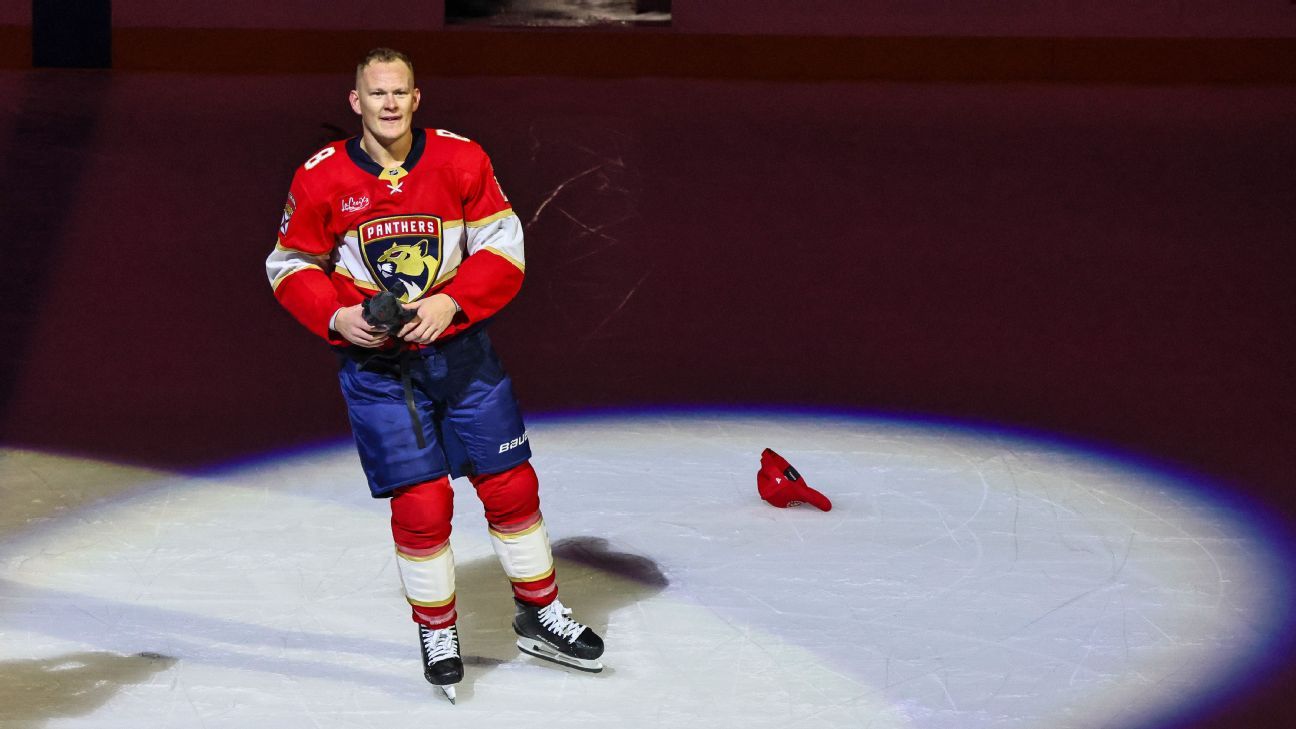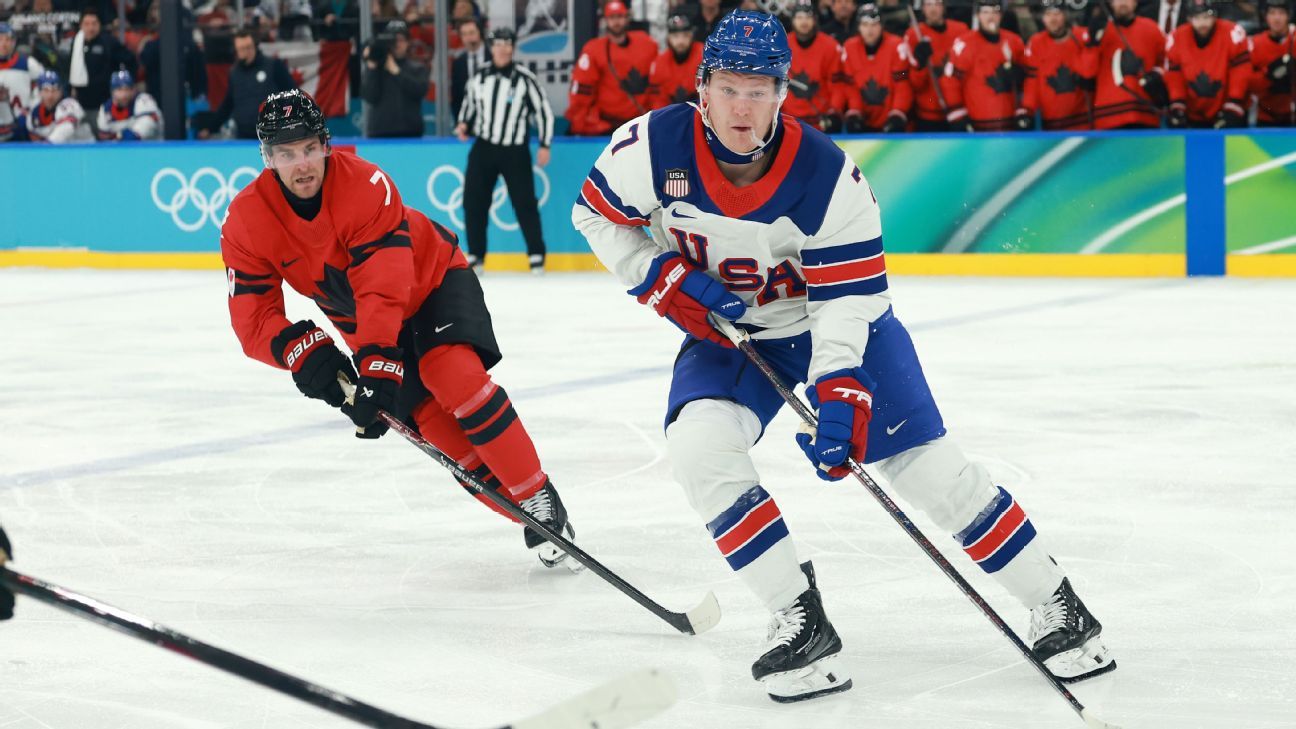
Ottawa Senators captain Brady Tkachuk expressed significant frustration after a White House social media post utilized AI to manipulate his likeness.
Brady Tkachuk, the 25-year-old captain of the Ottawa Senators, recently confronted a digital controversy involving a video shared by the White House. The footage in question utilized artificial intelligence to alter the American hockey player’s speech, making it appear as though he was directing insults toward the Canadian public. Tkachuk, who has spent seven seasons playing in Canada’s capital city, explicitly stated that he did not appreciate the manipulated media. This specific incident marks a rare intersection of professional sports and high-level political communication through the lens of deepfake technology.
The doctored clip surfaced on official government social media channels, quickly drawing the ire of the NHL star. By leveraging sophisticated synthesis tools, the creators of the content replaced Tkachuk’s actual words with fabricated, disparaging remarks about the northern nation. The athlete’s response was swift, clarifying that the sentiments expressed in the digital forgery were entirely false. This situation highlights the growing vulnerability of public figures whose likenesses can be hijacked to serve specific narratives without their consent or knowledge.
Tkachuk’s frustration stems from the potential damage such a video could inflict on his relationship with the Ottawa community. Since being drafted fourth overall in 2018, the winger has built a reputation as a cornerstone of the Senators franchise. The AI-generated footage threatened to undermine years of rapport by presenting him as hostile to the very fans who support him at the Canadian Tire Centre. He emphasized that the video was an unwelcome distortion of his character, noting the inherent dangers of government entities distributing unverified or altered visuals involving private citizens.
The technical execution of the White House video involved mapping Tkachuk’s facial movements to a synthetic audio track. This process created a realistic but entirely fraudulent representation of the player’s voice and mannerisms. While the original intent of the post may have been satirical or illustrative, the lack of clear labeling led to immediate confusion among viewers. Tkachuk pointed out that the use of his image to incite friction between himself and Canadians was a step too far, regardless of the technological medium used to achieve it.
As artificial intelligence continues to evolve, the NHL and its players are facing new challenges regarding intellectual property and reputation management. The Tkachuk incident serves as a primary example of how quickly a doctored file can circulate across global platforms. The athlete remains firm in his stance that the White House's decision to utilize his likeness in such a manner was inappropriate. Moving forward, this event may prompt stricter guidelines regarding the use of professional athletes' identities in political messaging, ensuring that authentic voices are not drowned out by algorithmic fabrications.
Stay informed
Follow SportsNow.
Join the reader list for future briefings and important newsroom updates.
Reader conversation
Your take on the story
Stay with the story