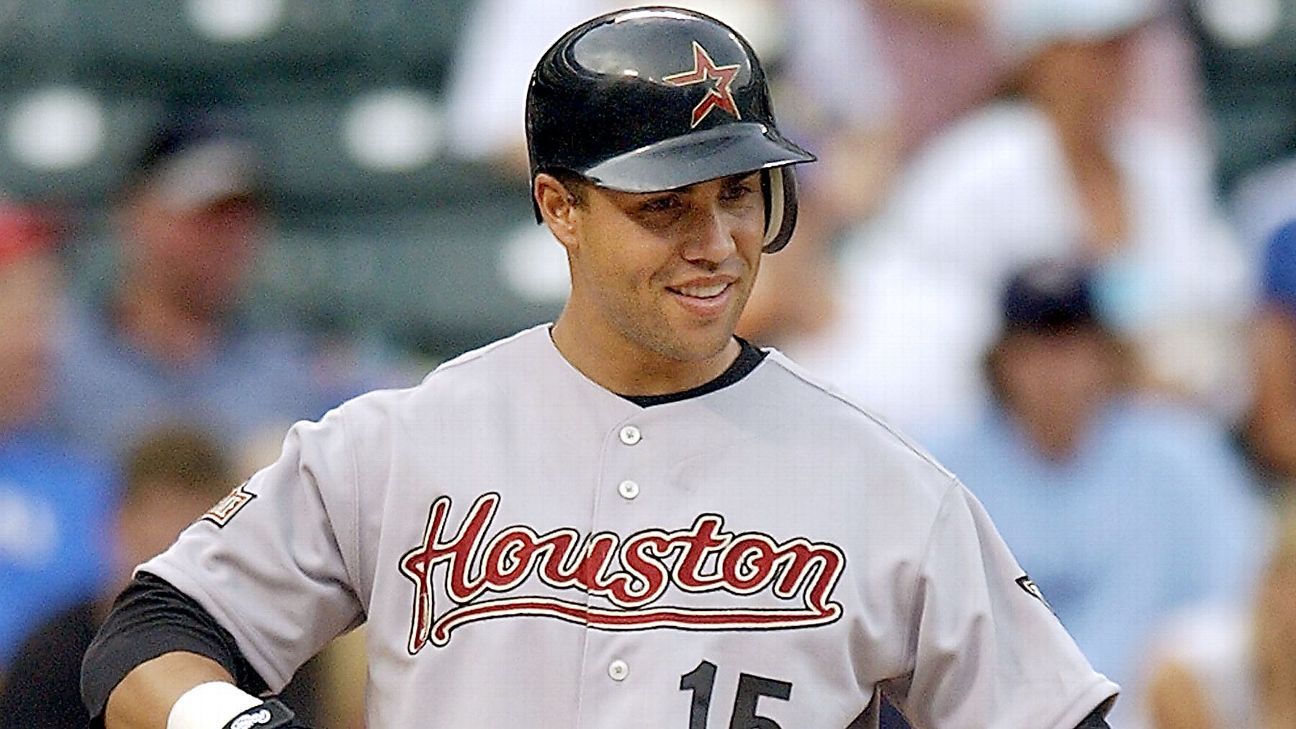
Carlos Beltran and Andruw Jones, two of the greatest center fielders to ever grace the diamond, have officially been elected to the National Baseball Hall of Fame.
The hallowed halls of Cooperstown just added a massive dose of defensive wizardry and postseason heroics. On Tuesday night, the baseball world watched as Carlos Beltran and Andruw Jones officially joined the sport's most exclusive club, solidifying their legacies as two of the game's all-time greats. While they both patrolled the same patch of grass in center field, becoming synonymous with the position, they arrived at this pinnacle via distinct paths that defined an era of Major League Baseball and captivated fans for decades. The induction of Beltran Jones Hall figures marks a significant moment for the sport.
Andruw Jones’ induction felt like a long-overdue correction for the greatest defensive outfielder of his generation. For a decade in Atlanta, Jones turned the 'Curacao Kid' into a legend, winning an astounding 10 consecutive Gold Gloves from 1998 to 2007. His defensive prowess was legendary, making the impossible look routine with his uncanny instincts, incredible range, and powerful arm. He wasn't just a glove, however; Jones launched 434 career home runs, a remarkable total for a center fielder, proving that he was a true five-tool phenom who dictated the pace of the game from both sides of the plate. His offensive contributions, particularly his 51-homer season in 2005, showcased a power stroke that few could match, making him a complete player who impacted every facet of the game. The Beltran Jones Hall class truly highlights two-way excellence.
Carlos Beltran, meanwhile, enters the Hall as one of the most complete switch-hitters to ever pick up a bat. Known for his cold-blooded composure in the postseason—most notably his legendary 2004 run with the Houston Astros where he hit .435 with eight home runs in 12 playoff games—Beltran combined elite power with a refined approach that saw him rack up 435 career home runs and 312 stolen bases. His ability to hit for power from both sides of the plate, coupled with his speed on the basepaths, made him a constant threat. He was the quintessential modern superstar: a strategist on the basepaths, a titan in the batter's box who delivered his best performances when the lights were the brightest, and a surprisingly effective defender in center field for many years. The Beltran Jones Hall induction underscores their multifaceted talents.
Beyond the statistics, the Class of 2026 represents a celebration of the center field archetype—players who must be the captain of the outfield, orchestrating defensive plays, and simultaneously a force in the lineup, driving in runs and setting the table. By welcoming Jones and Beltran, the Hall of Fame honors a transition period in baseball history where athleticism reached new heights, and the demands on a center fielder expanded significantly. Fans in Cooperstown this summer will witness the enshrinement of two icons who didn't just play the position; they mastered it, leaving an indelible mark on the game.
The Evolution of the Center Fielder: A Shared Legacy
The induction of Andruw Jones and Carlos Beltran into the Hall of Fame shines a spotlight on the evolving role of the center fielder in Major League Baseball. Historically, the position was often reserved for speedy, defensive-minded players who could cover vast swaths of the outfield. While both Jones and Beltran exemplified this defensive excellence, their offensive numbers pushed the boundaries of what was expected from the position. Jones, with his unprecedented Gold Glove streak, redefined defensive metrics and set a new standard for range and efficiency. His ability to track down fly balls in the deepest parts of the park, often with an effortless grace, made him a highlight reel staple. Simultaneously, his power numbers placed him among the game's elite sluggers, challenging the notion that a premier defender couldn't also be a premier power hitter.
Beltran, on the other hand, brought a different kind of offensive dynamism. As a switch-hitter with power and speed, he was a triple threat at the plate. His ability to hit for average, power, and steal bases made him a nightmare for opposing pitchers and managers. He was a cerebral player, understanding situational hitting and base running with an uncanny intuition. Together, the Beltran Jones Hall inductees represent the pinnacle of this "five-tool" ideal, demonstrating that the center field position could be occupied by players who were not only defensive anchors but also offensive juggernauts. Their careers spanned an era where advanced analytics began to highlight the true value of both elite defense and versatile offense, making their contributions even more appreciated in retrospect. Their induction is a testament to their individual brilliance and their collective impact on shaping the modern center fielder.
Postseason Prowess and Enduring Impact
One of the defining characteristics that links both Carlos Beltran and Andruw Jones, and undoubtedly bolstered their Hall of Fame candidacies, was their ability to perform under the intense pressure of the postseason. While Beltran's 2004 playoff heroics are often highlighted, his overall postseason career was consistently stellar, boasting a .307 batting average with 16 home runs and 42 RBIs in 65 games. He seemed to elevate his game when the stakes were highest, delivering clutch hits and making crucial plays that propelled his teams deep into October. This "clutch" factor is a quality often revered by fans and voters alike, showcasing a player's mental fortitude and ability to deliver when it matters most.
Andruw Jones, too, had his share of postseason brilliance, particularly during the Atlanta Braves' dominant run in the late 1990s and early 2000s. While his offensive numbers in the playoffs weren't as consistently eye-popping as Beltran's, his defensive impact was amplified on the grand stage. His presence in center field often shut down opposing offenses, turning potential extra-base hits into routine outs and robbing home runs with breathtaking regularity. His memorable performance in the 1996 World Series as a 19-year-old, where he hit two home runs in Game 1, immediately etched his name into postseason lore. The Beltran Jones Hall class therefore not only celebrates individual statistics but also the indelible memories they created in baseball's most important moments. Their enduring impact goes beyond their playing days, as both are now revered figures whose careers serve as benchmarks for future generations of ballplayers aiming for similar greatness.
Stay informed
Follow SportsNow.
Join the reader list for future briefings and important newsroom updates.
Reader conversation