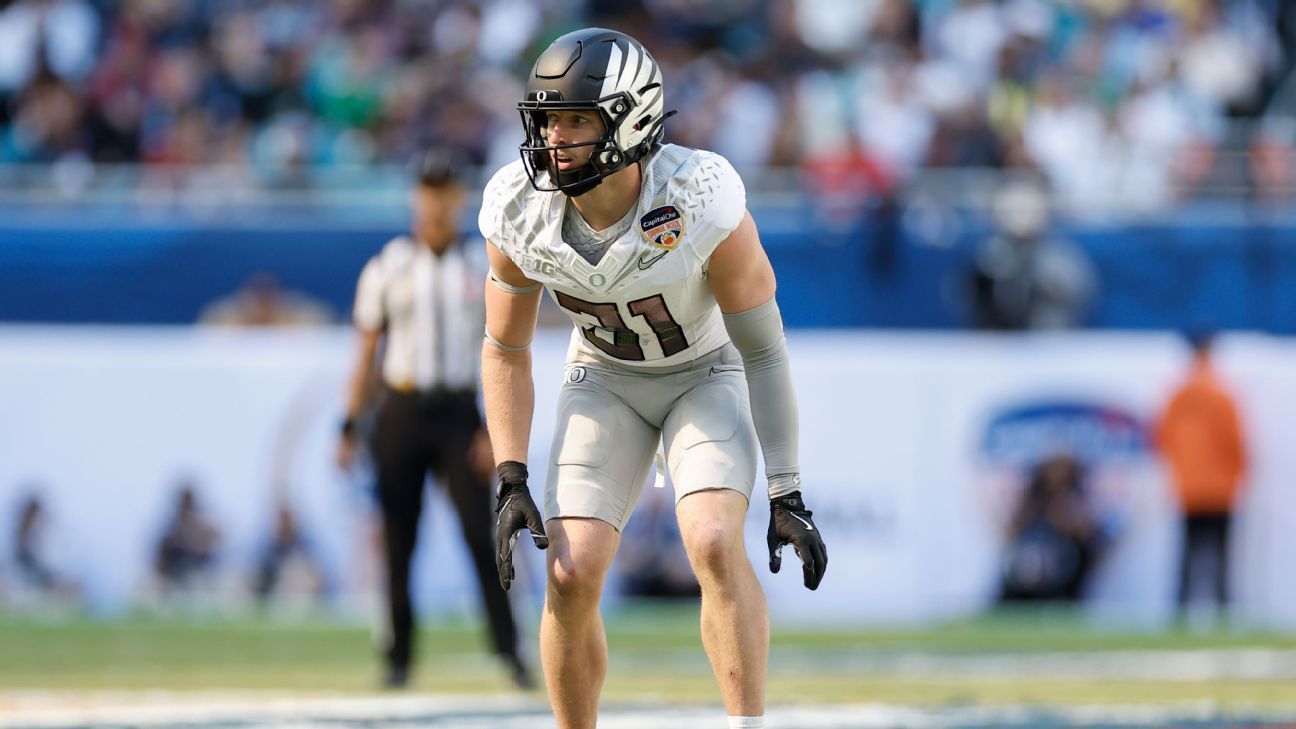
A deep dive into the technical traits of the 2026 NFL Draft class, highlighting prospects whose game tape reveals professional-grade mechanics and physical dominance.
Texas offensive tackle Kelvin Banks Jr. enters the 2026 NFL Draft cycle having allowed zero sacks across 452 pass-blocking snaps during his sophomore campaign. His 6-foot-4, 324-pound frame anchors a Longhorns offensive line that ranked in the top ten for pressure rate allowed. Scouts tracking his progression note a 90.1 pass-blocking grade from independent evaluators, a metric that places him in the 98th percentile of collegiate blindside protectors. Banks utilizes a 34-inch arm length to neutralize edge rushers before they reach the apex of their arc, demonstrating a vertical set that mirrors elite professional technicians.
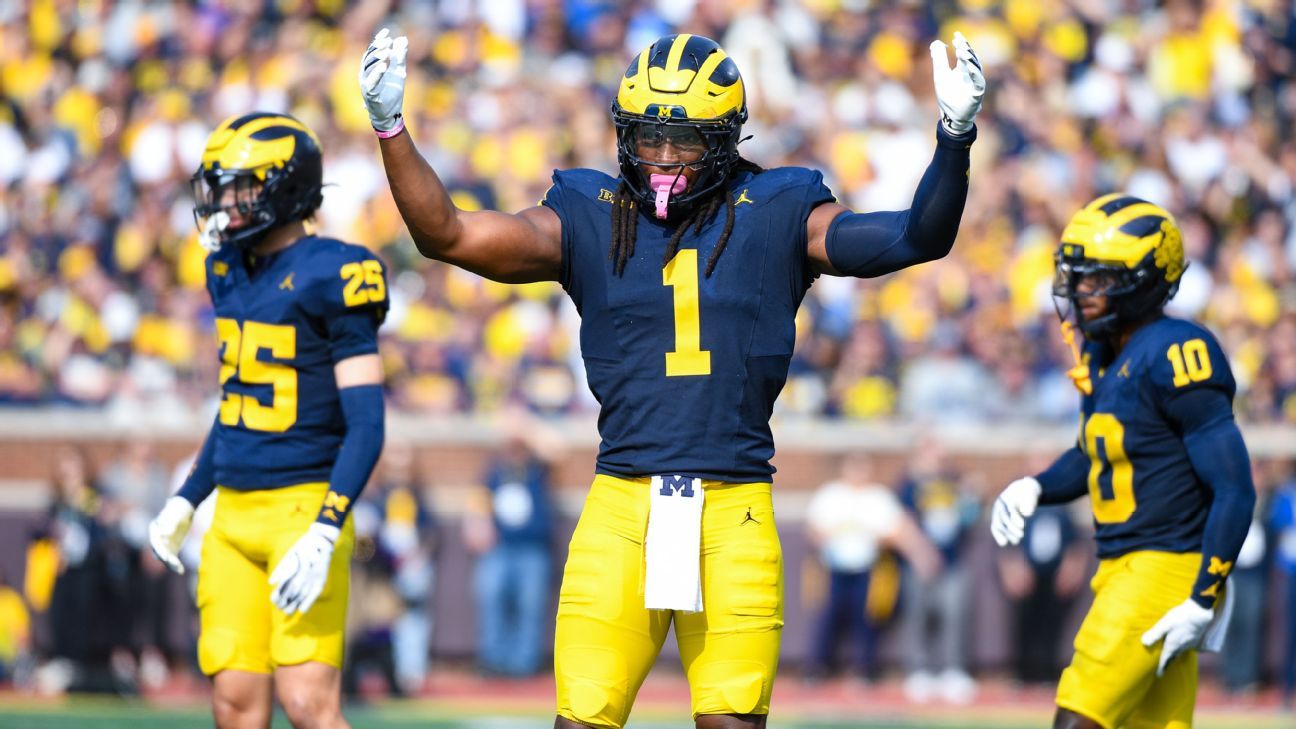
Michigan cornerback Will Johnson recorded four interceptions during the 2023 season, including a pivotal takeaway in the national championship game against Washington. Standing 6-foot-2, Johnson possesses the rare combination of press-man strength and fluid hip transitions required to shadow X-receivers in the boundary. His film shows a 42.7 passer rating allowed when targeted, a statistic bolstered by his ability to squeeze passing windows on deep out routes. Analysts highlight his 12 pass breakups as evidence of superior ball tracking skills and a wingspan that disrupts high-point catch attempts.
Arizona wide receiver Tetairoa McMillan finished his second collegiate season with 1,402 receiving yards and 10 touchdowns on 90 receptions. The 6-foot-5 target averaged 15.6 yards per catch, frequently winning contested situations against double coverage. His tape reveals a catch radius that extends beyond the frame of most defensive backs, allowing him to haul in off-target throws in the red zone. McMillan’s 3.12 yards per route run indicates an efficiency level that translates to high-volume NFL offensive schemes, particularly in third-down conversions where he secured 24 first downs.
Georgia safety Malaki Starks logged 52 tackles and three interceptions while playing 822 defensive snaps for the Bulldogs. His versatility allows him to rotate from a single-high deep middle alignment to a box defender capable of shedding blocks from 300-pound offensive linemen. Starks’ closing speed is clocked at over 21 miles per hour on pursuit angles, a physical trait that prevents explosive plays from reaching the third level. Film study confirms his elite diagnostic skills, as he frequently identifies screen passes and jet sweeps before the ball carrier crosses the line of scrimmage.
Kentucky defensive lineman Deone Walker stands 6-foot-6 and weighs 348 pounds, yet he generated 51 quarterback pressures in a single season. This production from the interior 0-technique or 3-technique position is statistically anomalous, as he led all SEC defensive tackles in pass-rush win rate at 16.4 percent. Walker’s tape showcases a devastating club-rip move that displaces interior blockers, creating immediate penetration into the backfield. His 7.5 sacks and 12.5 tackles for loss underscore a disruptive presence that forces opposing coordinators to utilize constant double-teams.
Tennessee edge rusher James Pearce Jr. accounted for 9.5 sacks and 14.5 tackles for loss, utilizing an explosive first step that measures in the top tier of collegiate pass rushers. His 20% pressure rate on third downs highlights a situational dominance that NFL front offices prioritize during the evaluation of 2026 NFL Draft prospects. Pearce displays a ghost-move technique that allows him to dip under the reach of taller tackles, maintaining balance while turning the corner at sharp angles. His ability to convert speed to power is evident in his three forced fumbles, where he consistently targets the quarterback’s throwing arm during the wind-up phase.
Stay informed
Follow SportsNow.
Join the reader list for future briefings and important newsroom updates.
Reader conversation
Your take on the story
Stay with the story