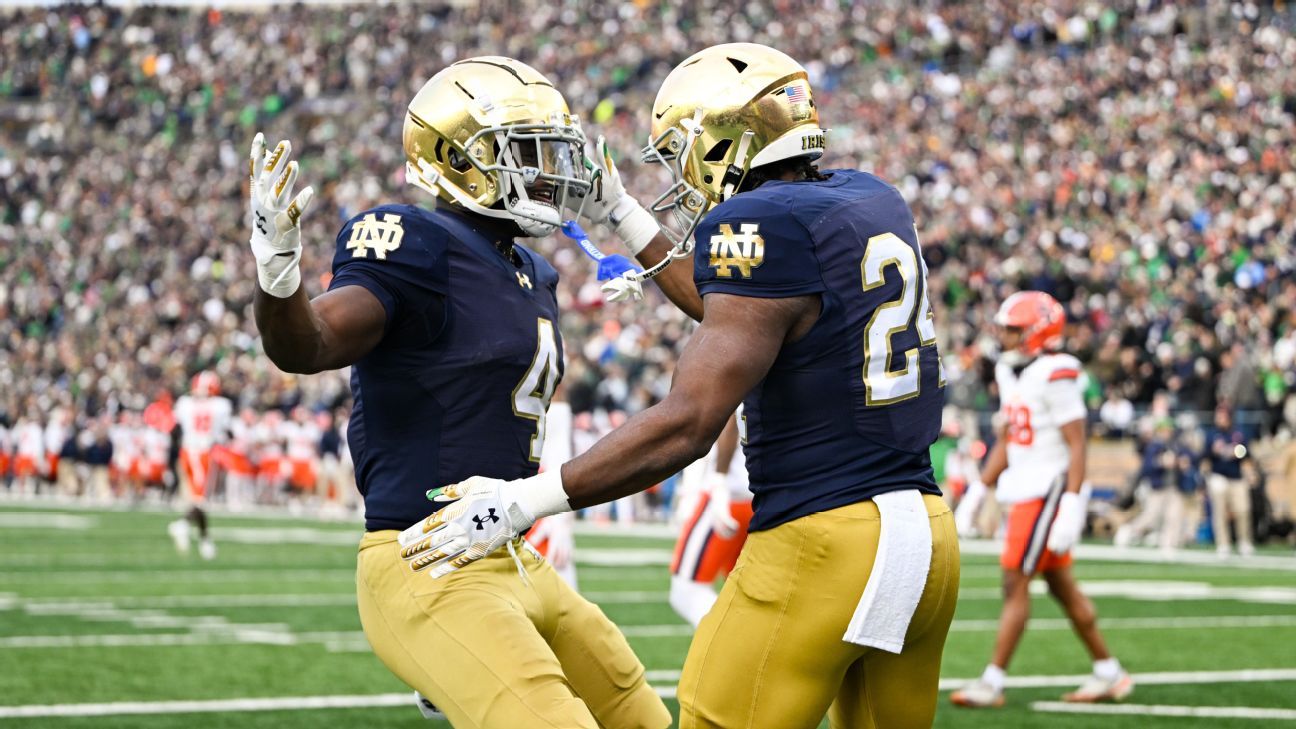
Top NFL draft prospects are increasingly emerging from shared backfields, signaling a transition toward running back tandems over solo rushers.
The landscape of professional football scouting is undergoing a significant transformation as running back tandems become the primary source for top NFL draft prospects. Historically, splitting time in a collegiate backfield served as a mark against rushers, often suggesting a lack of durability or the inability to carry a full workload. However, the current draft cycle demonstrates that sharing carries is no longer a deterrent for high-level evaluation. This shift indicates that the era of the workhorse feature back may be nearing its conclusion as teams prioritize fresh legs and specialized skill sets.
Impact on NFL Draft Evaluation
Modern scouting departments are re-evaluating how they grade rushers who do not serve as the sole focal point of their college offenses. In previous decades, a prospect coming from the same backfield as another elite runner might have seen their draft stock suffer due to limited individual statistics. Today, the presence of multiple high-end talents in a single system is viewed as a blueprint for professional success. NFL teams are increasingly comfortable selecting players who have proven they can remain productive while operating within a rotational system, as this mirrors the structural reality of most professional rosters.
The Decline of the Feature Back
The traditional feature back model, characterized by a single player handling the vast majority of rushing attempts, is being phased out in favor of versatile committees. This change in philosophy at the collegiate level prepares athletes for the specific demands of the NFL, where the physical toll on rushers is immense. By splitting time, these prospects enter the draft with less cumulative wear and tear on their bodies, potentially extending their professional longevity. The rise of running back tandems suggests that the quantity of touches is becoming less important to scouts than the efficiency and explosive potential shown during those limited opportunities.
Strategic Advantages of Shared Backfields
Utilizing running back tandems allows programs to maintain a high level of offensive variance, a trait that is highly coveted by professional organizations. When top NFL draft prospects share a backfield, they often develop complementary skills, such as pass protection and receiving out of the backfield, which might be overlooked in a more one-dimensional rushing attack. This evolution in the position means that being part of a duo is now a strategic advantage rather than a career hindrance. As the NFL draft approaches, the success of these shared-time rushers will likely solidify the tandem approach as the new standard for backfield construction across the league.
Stay informed
Follow SportsNow.
Join the reader list for future briefings and important newsroom updates.
Reader conversation