Town Manager Paige Duncan clarifies that no formal contract exists to cover public safety costs for the 2026 World Cup, contradicting previous organizer statements.
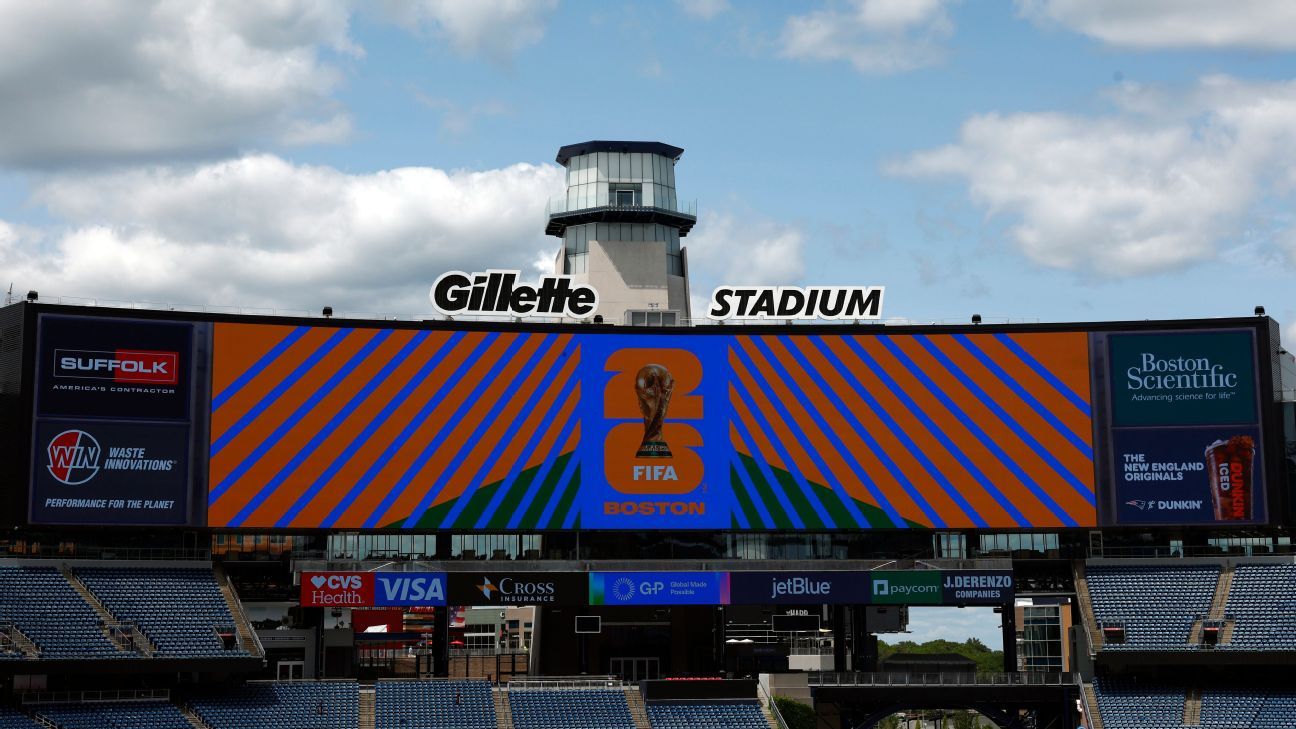
Foxborough Town Manager Paige Duncan confirmed on Tuesday that no signed agreement exists regarding the reimbursement of public safety costs for the 2026 World Cup. This statement directly contradicts previous assertions made by tournament organizers and representatives of the Kraft Group, who suggested that a framework for covering security expenses was already in place. The discrepancy centers on the financial responsibility for police, fire, and emergency medical services required to secure Gillette Stadium during the international soccer event.
During a recent Select Board meeting, Duncan emphasized that while discussions are ongoing, the municipality has not executed any legally binding document to guarantee that local taxpayers will be shielded from the massive operational price tag. The 2026 tournament is scheduled to bring seven high-profile matches to the region, necessitating a surge in law enforcement presence and logistical coordination. Without a formal memorandum of understanding, the town remains in a precarious position regarding the allocation of its municipal resources.
The Kraft Group, which owns the stadium and serves as a primary partner for the Boston host city committee, had previously indicated a commitment to ensuring that the event would be privately funded. However, the lack of a finalized contract means that specific dollar amounts and reimbursement timelines remain speculative. Local officials are seeking clarity on whether the funding will originate from FIFA, the state of Massachusetts, or the Kraft family’s private entities.
Security protocols for a global event of this magnitude involve federal agencies, state police, and local departments working in a unified command structure. The costs associated with overtime pay for Foxborough officers and the potential need for mutual aid from surrounding towns represent a significant budgetary hurdle. Duncan’s public clarification serves as a strategic move to ensure that the town’s interests are prioritized before the first whistle blows in two years.
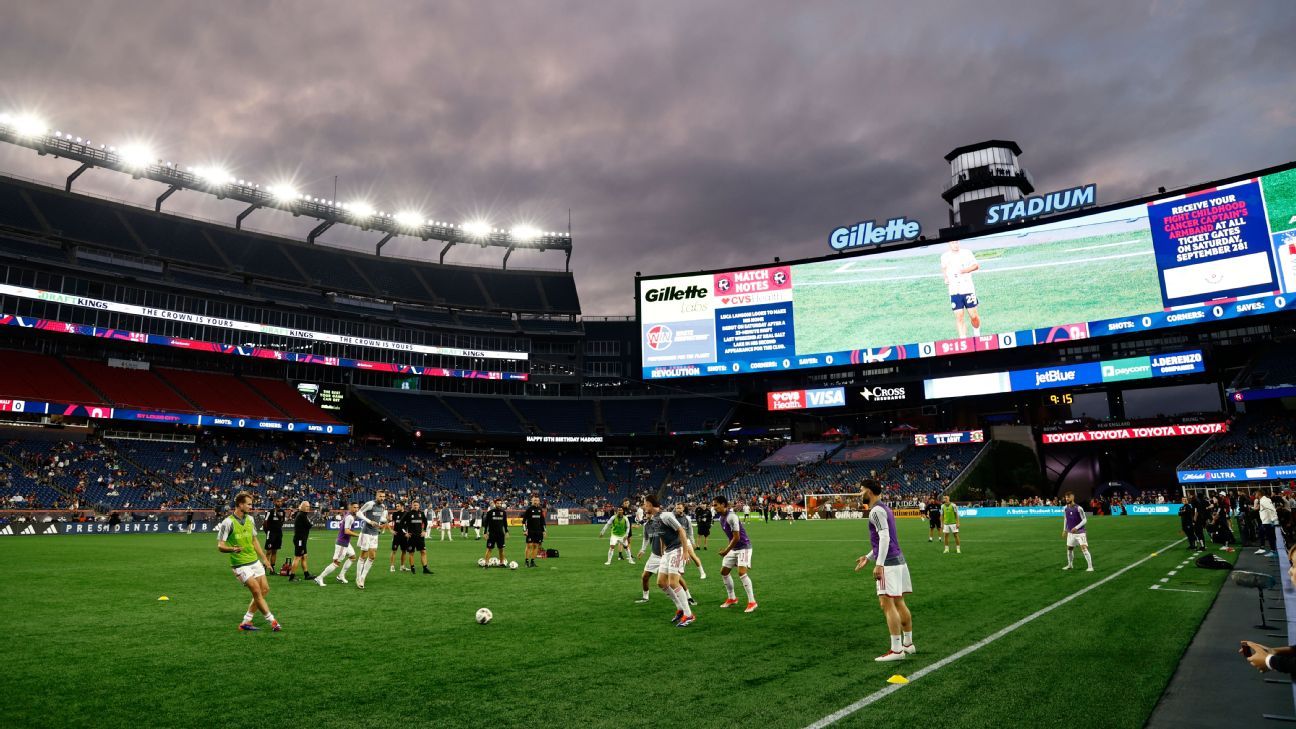
Historical data from previous large-scale events at Gillette Stadium shows that public safety expenditures can reach hundreds of thousands of dollars per match day. For a multi-week tournament like the World Cup, these figures escalate into the millions. The town’s administration is currently reviewing the impact on local infrastructure, including traffic management on Route 1 and the strain on emergency response times for residents not attending the matches.
While the Boston Soccer 2026 committee continues to promote the economic benefits of the tournament, Foxborough leadership is focused on the immediate fiscal reality of hosting. The town is demanding a transparent mechanism for cost recovery that accounts for every hour of police work and every gallon of fuel used by emergency vehicles. Until such a document is signed by all stakeholders, the official stance of the town remains one of cautious negotiation rather than settled agreement. This development highlights the complex friction between global sporting ambitions and the practical financial constraints of a small New England municipality tasked with safeguarding an international audience.
Stay informed
Follow SportsNow.
Join the reader list for future briefings and important newsroom updates.
Reader conversation
Your take on the story
Stay with the story