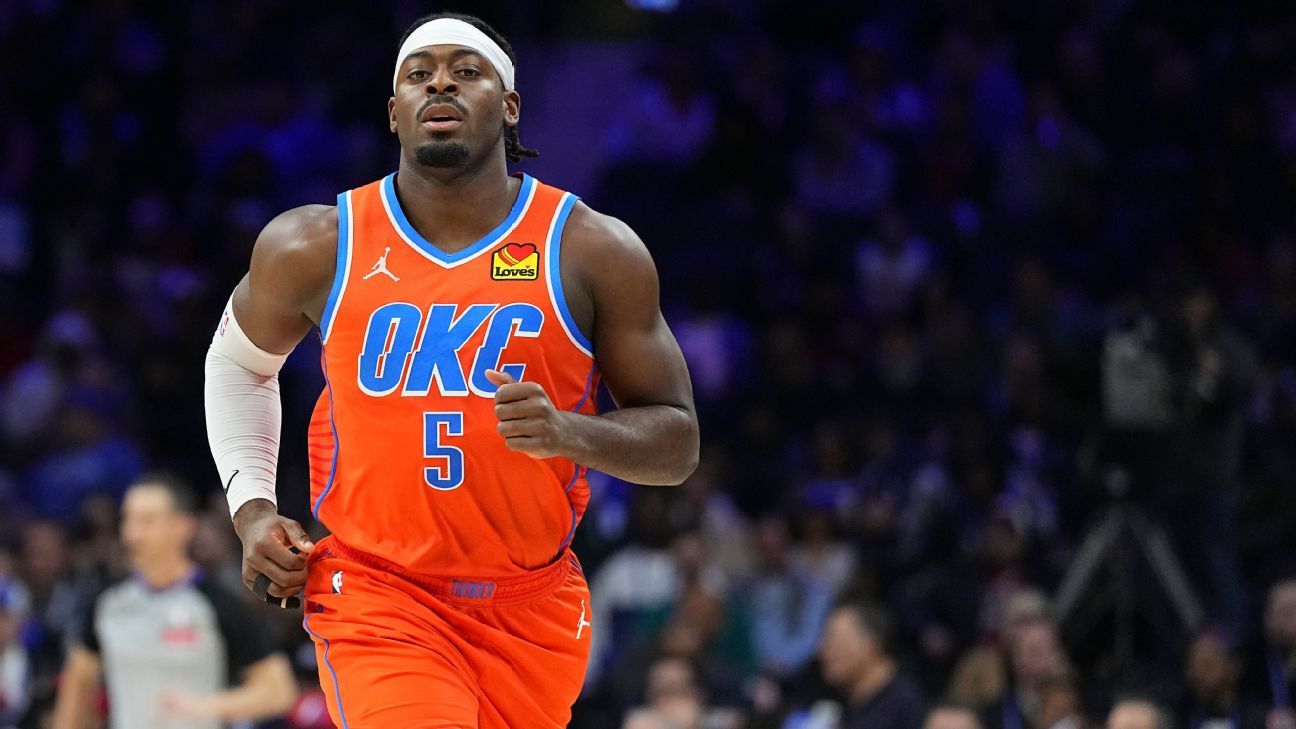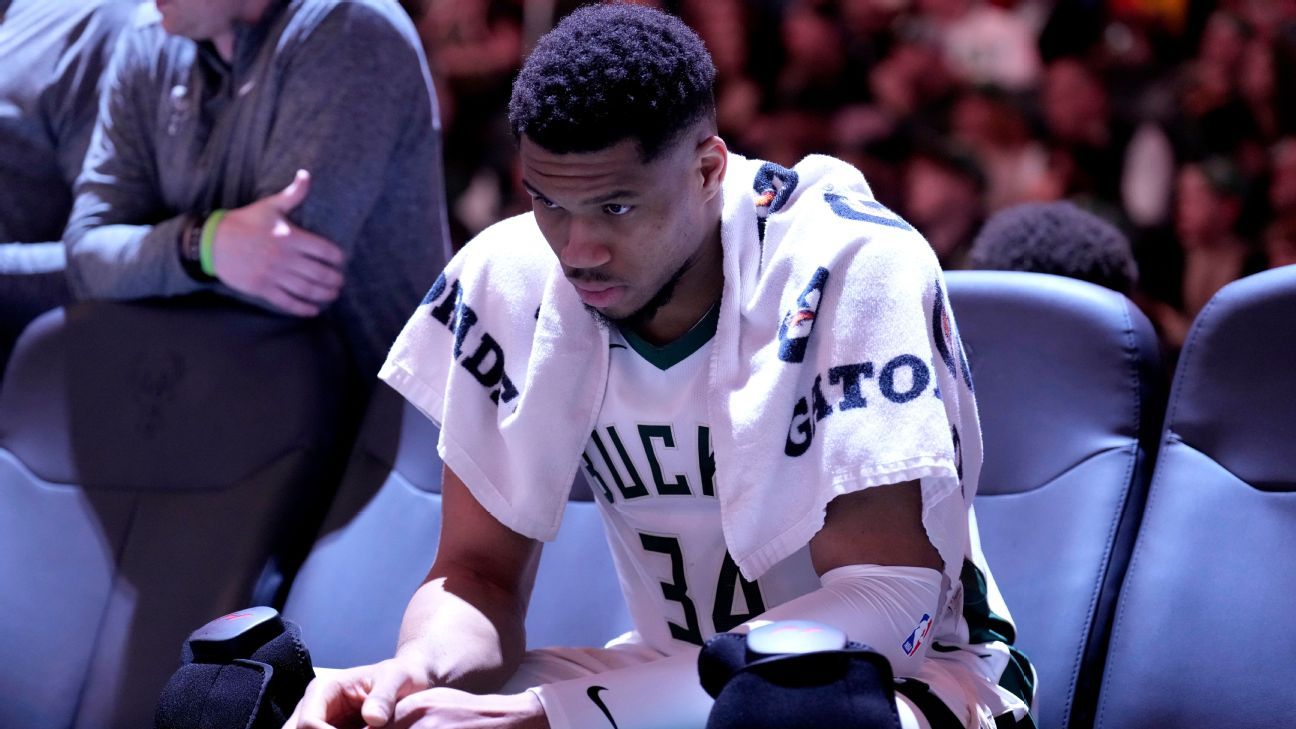
The Giannis trade watch enters a new offseason as opposing teams question the internal leadership of a franchise facing significant financial turmoil.
Opposing front offices report that negotiations regarding the Milwaukee superstar have reached a stalemate, with rival executives baffled by a breakdown in the organizational hierarchy. This offseason, the league’s standard lines of communication have vanished, replaced by a lack of a singular decision-maker authorized to greenlight a transaction of this magnitude. External scouts observe that the absence of a definitive governor has paralyzed the front office, leaving them unable to respond to inquiries from interested parties.
Central to the delay is a rare ownership structure that rotates power between multiple stakeholders, a model virtually unique within the modern NBA landscape. This arrangement creates a vacuum of authority where no individual partner holds the mandate to dismantle the roster or pivot toward a full-scale rebuild. Rival general managers express frustration over the inability to identify which specific executive possesses the final signature for a deal involving a multi-time MVP. Consequently, the logistical complexity of a board-room style approval process has effectively frozen the market for the forward.
Financial turmoil further complicates the situation as the franchise grapples with significant economic instability trickling down into basketball operations. Reports indicate the team’s fiscal health is under such scrutiny that the organization may be unable to afford the luxury tax implications of a major roster overhaul. This monetary distress has forced a defensive posture, prioritizing short-term cost-cutting over long-term strategic planning. Opposing teams are now monitoring balance sheets as closely as box scores, recognizing that debt obligations may dictate trade leverage more than on-court talent.
Leadership uncertainty defines the summer, with league sources questioning the longevity of the current management team. The combination of a convoluted ownership hierarchy and a precarious financial position has led to a breakdown in traditional scouting and recruitment efforts. Without a clear figurehead to project a vision, the franchise is struggling to maintain its standing among elite contenders. This internal friction dominated discussions at summer league meetings, where the consensus formed that the organization is too fractured to execute a complex, multi-team blockbuster.
As the calendar turns, the prospect of a transaction remains stalled by these non-basketball factors. Specific hurdles regarding debt servicing and rotating governorship have proven to be more significant barriers than the actual player compensation required in a trade package. Until the ownership group provides a unified front or resolves outstanding liabilities, the league expects continued inactivity. This saga has evolved into a case study of how corporate instability can derail a championship-caliber roster, increasing the likelihood that the status quo persists into the regular season.
Stay informed
Follow SportsNow.
Join the reader list for future briefings and important newsroom updates.
Reader conversation
Your take on the story
Stay with the story
Related coverage
Open desk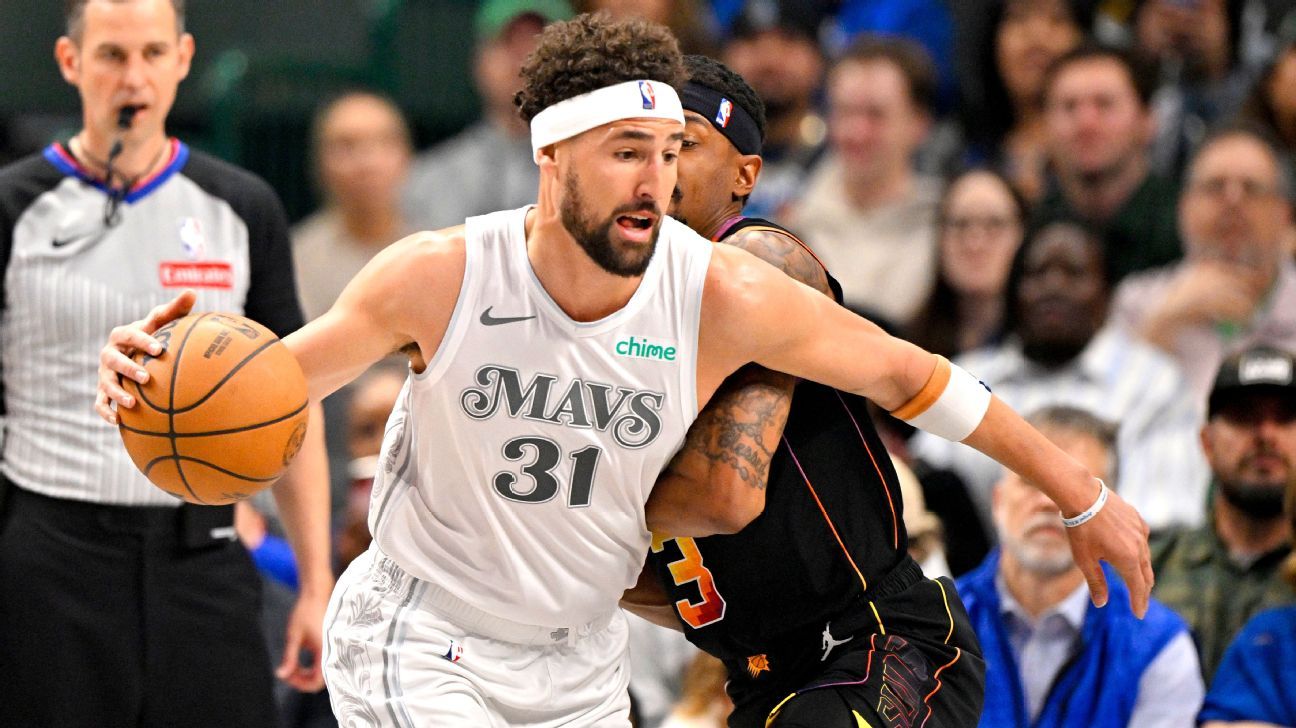
Klay Thompson Joins Heat After $17.5M Mavericks Buyout and Giannis Trade
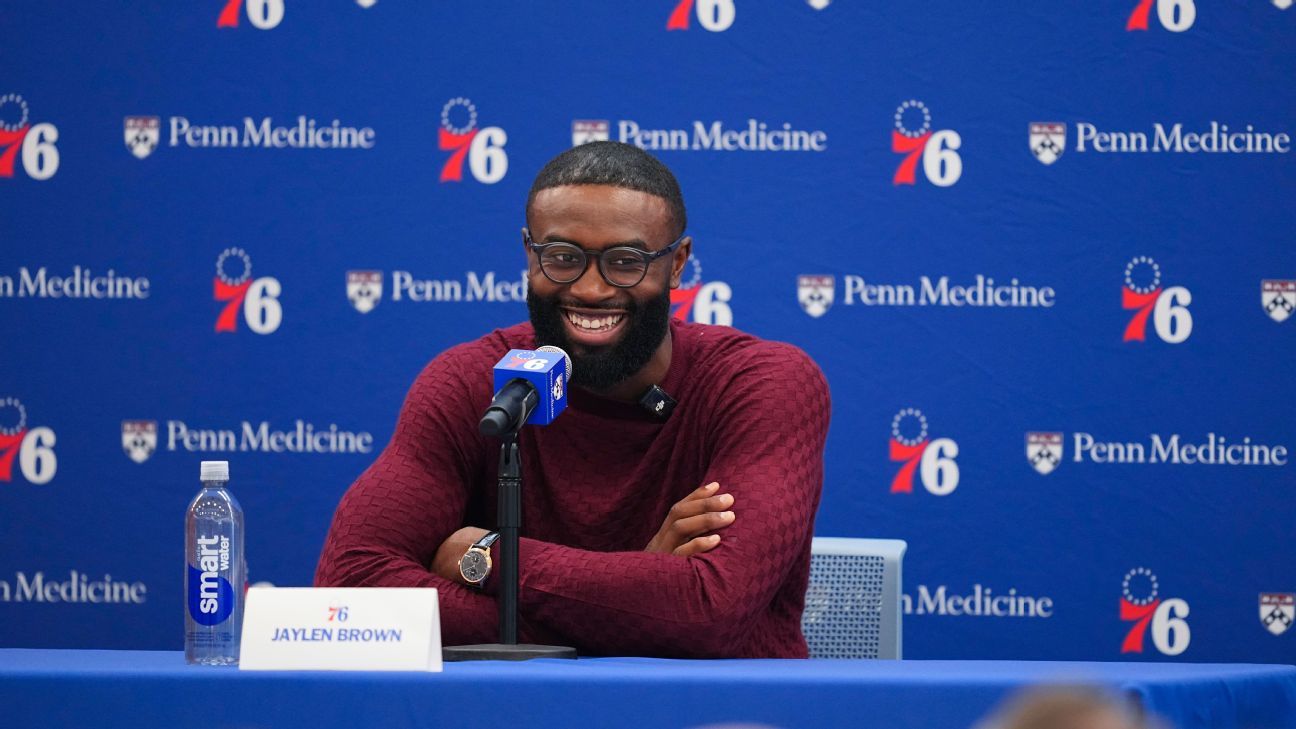
Jaylen Brown Joins Sixers After Celtics Trade Discussions for Giannis