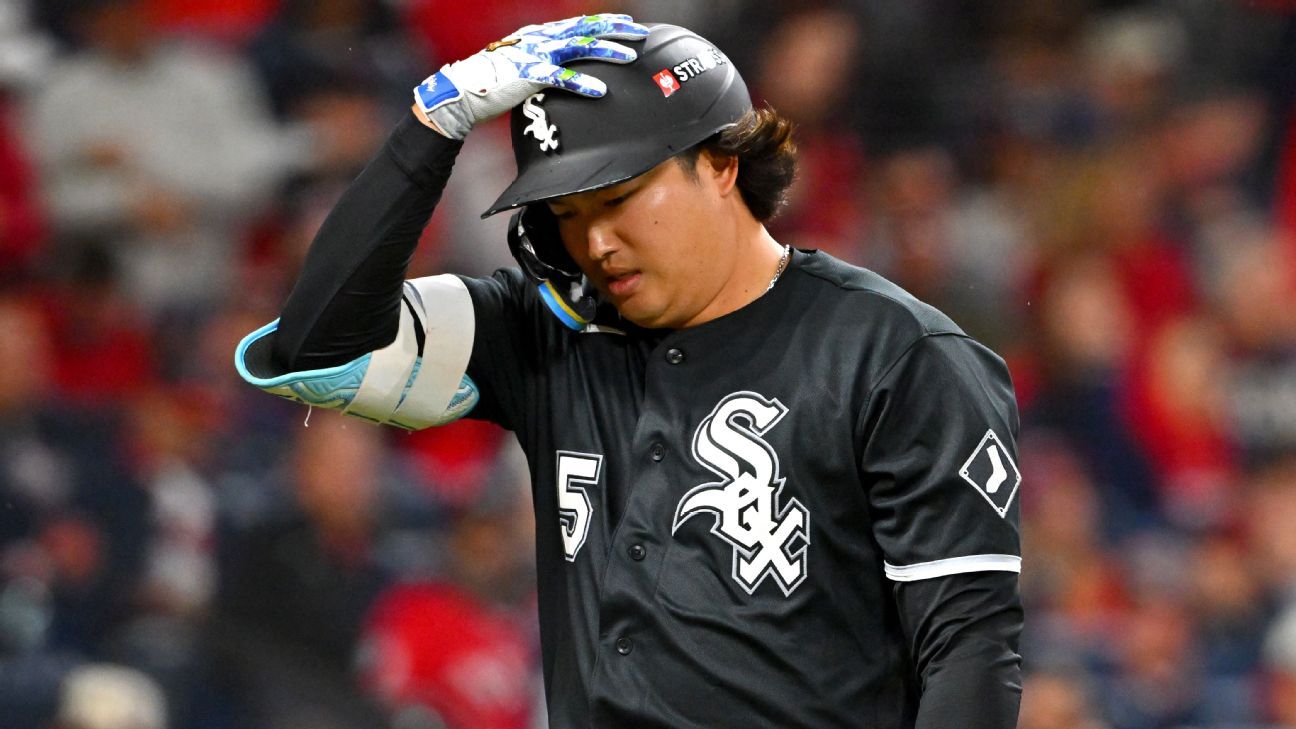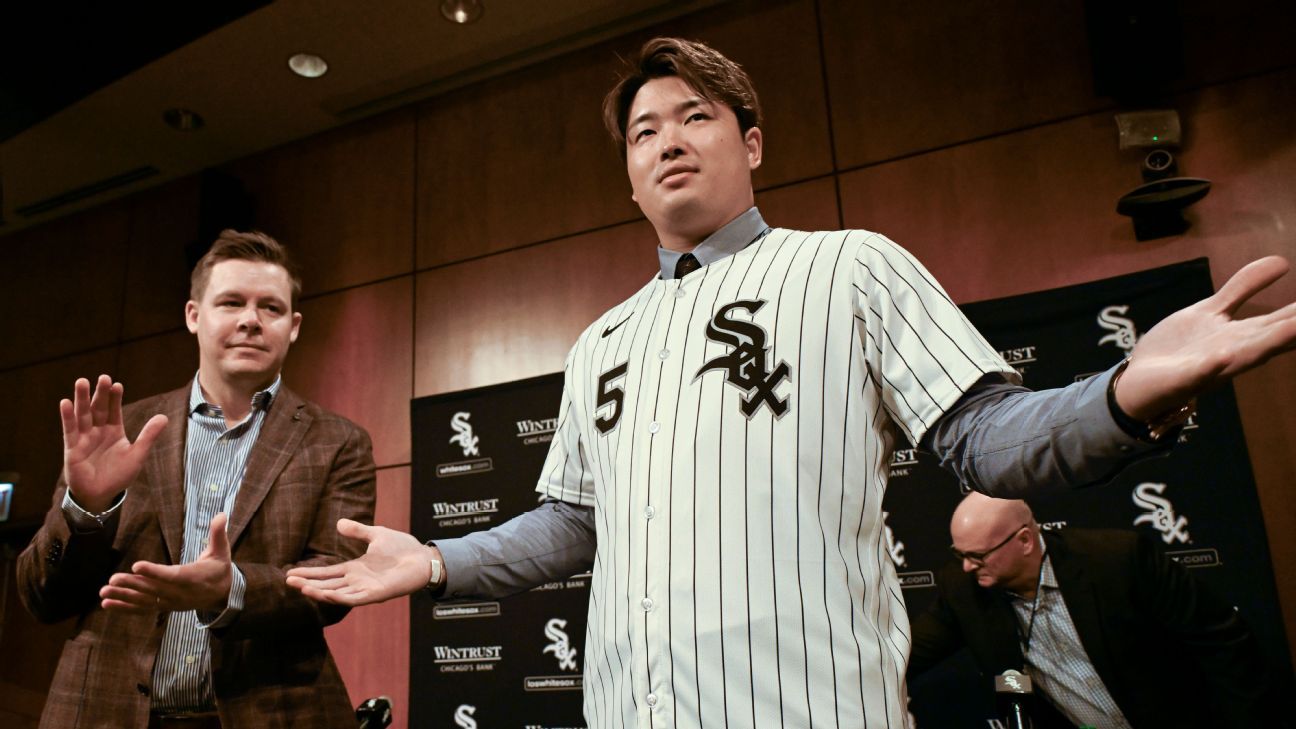
The Chicago White Sox concluded their 2024 campaign with a 41-121 record, setting a modern MLB record for losses in a single season while enduring a 21-game slide.
The Chicago White Sox concluded the 2024 season with a 41-121 record, officially surpassing the 1962 New York Mets for the most losses in a single campaign since 1900. This historical nadir was cemented on September 27 at Comerica Park, where a 4-1 defeat to the Detroit Tigers pushed the loss total to 121. Throughout the 162-game schedule, the South Siders managed a winning percentage of just .253, finishing 51.5 games behind the American League Central division leader. The team’s run differential plummeted to -323, a byproduct of scoring only 507 runs while surrendering 830 to opponents.
A defining stretch of the year occurred between July 10 and August 5, when the club endured a 21-game losing streak. This slide tied the 1988 Baltimore Orioles for the longest winless drought in American League history. During this specific window, the offense averaged fewer than three runs per contest, while the pitching staff allowed double-digit runs on four separate occasions. The skid finally ended with a 5-1 victory over the Oakland Athletics, but the damage to the standings remained irreparable. Chicago also suffered through a separate 14-game losing streak earlier in the summer, making them the first team to endure two skids of at least 14 games in one calendar year.
Individually, Garrett Crochet emerged as a rare statistical bright spot during the White Sox 2024 season. The left-handed starter earned an All-Star selection after recording 209 strikeouts across 146 innings pitched. Crochet maintained a 3.58 ERA and a 1.07 WHIP, leading the rotation in nearly every advanced metric. His 12.9 strikeouts per nine innings ranked among the elite tiers of Major League Baseball, providing a stark contrast to a bullpen that blew 36 save opportunities. On the offensive side, Andrew Vaughn led the roster with 19 home runs and 70 RBIs, though his .246 batting average reflected the broader struggles of a lineup that ranked last in the majors in team OPS.
Fielding metrics further illustrated the difficulties faced by the South Side squad. The defense committed 94 errors, contributing to 68 unearned runs allowed over the course of the year. In terms of home attendance, the franchise saw a significant decline, drawing 1,384,415 fans to Guaranteed Rate Field, the lowest total for a full-capacity season in over two decades. The managerial transition also marked the year, as Pedro Grifol was dismissed on August 8 after a 28-89 start, replaced by interim skipper Grady Sizemore, who finished the final 45 games with a 13-32 record.
Statistical anomalies plagued the team's performance against divisional rivals. The White Sox went 5-8 against the Cleveland Guardians and managed only one win in 13 attempts against the Minnesota Twins. Their performance in one-run games was equally dismal, finishing with a 15-28 record in such contests. By the time the final out was recorded in late September, the club had utilized 56 different players, including 28 different pitchers, in an attempt to stabilize the roster. This high turnover rate failed to prevent the franchise from finishing with the lowest road win total in the league, securing only 18 victories away from their home stadium.
Stay informed
Follow SportsNow.
Join the reader list for future briefings and important newsroom updates.
Reader conversation
Your take on the story
Stay with the story
Related coverage
Open desk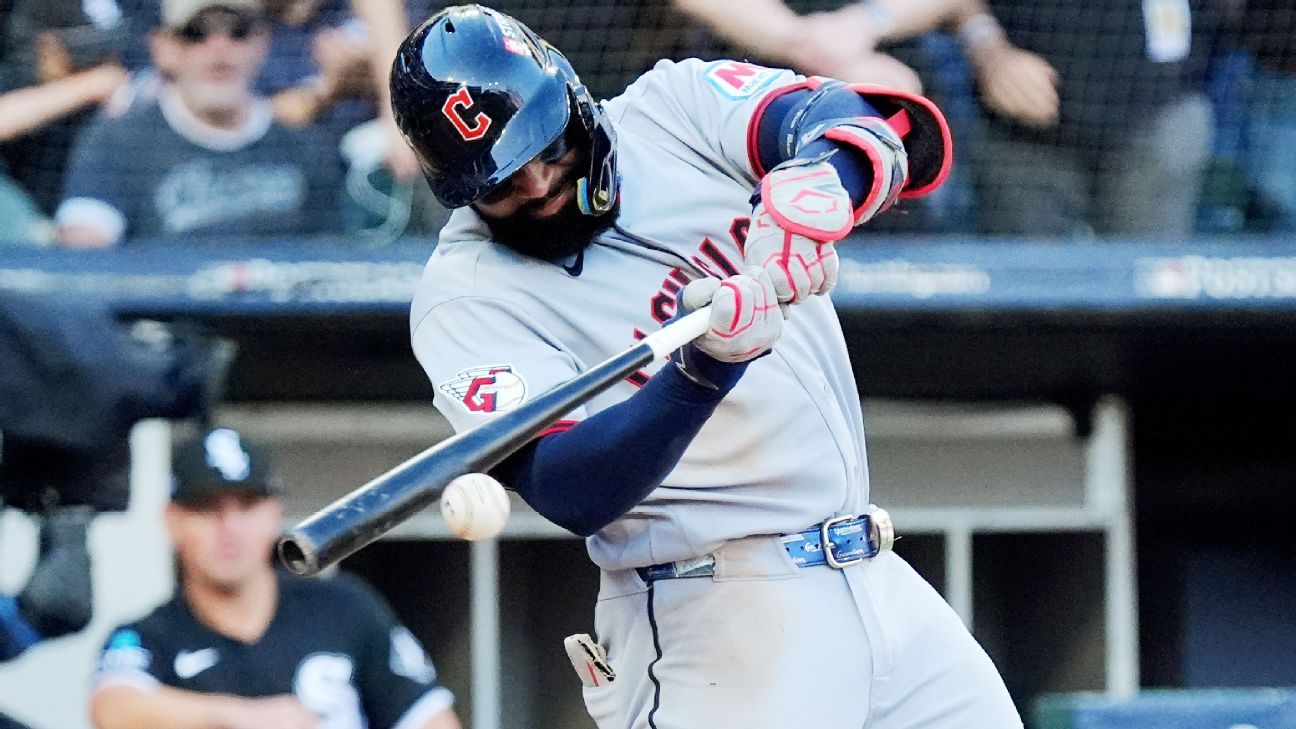
Cleveland Guardians Force Game 4 With 9-3 Victory Over Chicago White Sox
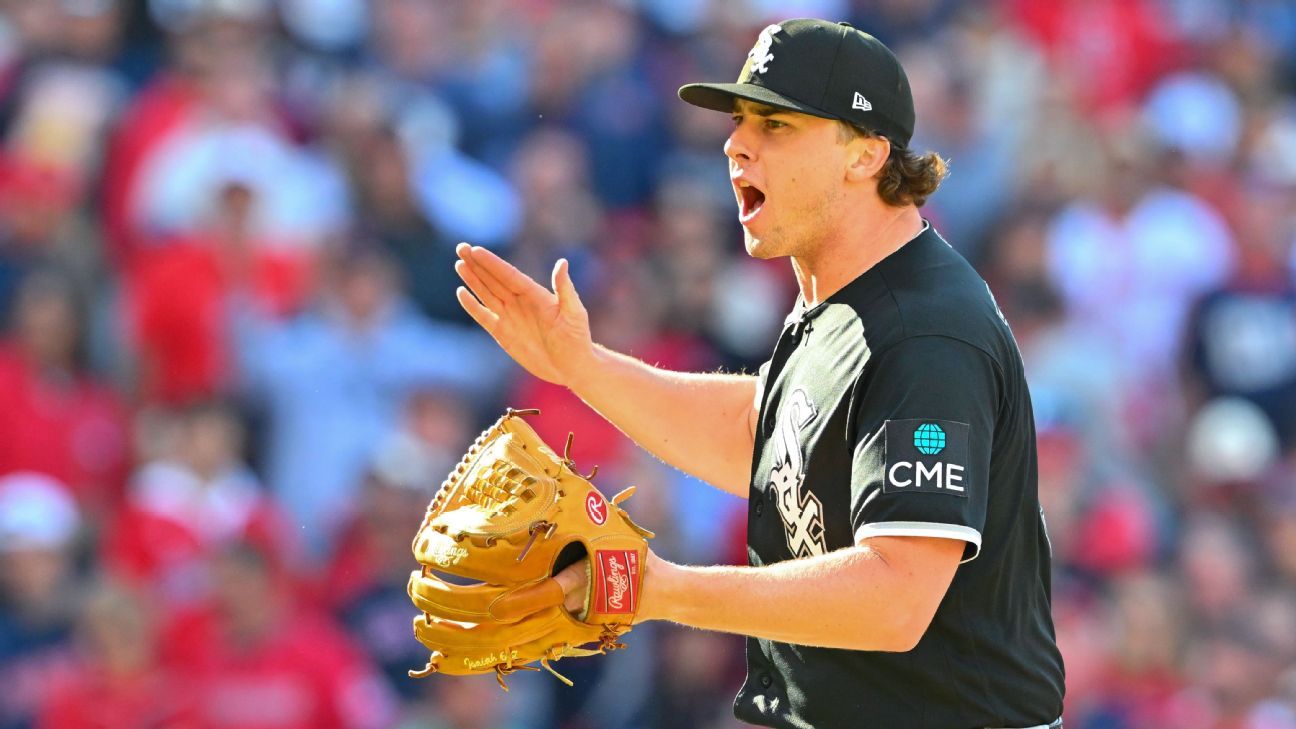
Chicago White Sox Rely on 'Pitching Chaos' Strategy for ALDS Game 5 in Cleveland