
Jon Jones has officially asked the UFC to release him from his contract after receiving what he described as a lowball offer for a White House card appearance.
Jon Jones formally requested his release from the Ultimate Fighting Championship via social media on Friday, following a breakdown in financial negotiations for a proposed appearance on the White House card. The former light heavyweight champion and current heavyweight titleholder expressed immediate frustration after receiving what he categorized as a lowball offer from the promotion's executive team. This demand for free agency marks a significant escalation in the long-standing tension between the athlete and UFC President Dana White regarding fighter compensation and market valuation.
During the specific dialogue concerning the White House event, Jones indicated that the monetary figures presented did not align with his status as a top-tier pay-per-view draw. He explicitly challenged the organization to grant him his exit if they truly believe his competitive prime has concluded. The fighter's ultimatum was clear: if the promotion views him as a diminished asset, they should allow him to explore opportunities outside the Octagon rather than tethering him to a contract that he deems financially insulting. This public stance forces the organization to either renegotiate the terms of his current deal or risk losing one of the most decorated mixed martial artists in history to a rival promotion.
Statistically, Jones remains one of the most successful fighters in the history of the sport, boasting a professional record of 27 wins and only one loss, which occurred via a controversial disqualification in 2009. His most recent victory came at UFC 285, where he secured the vacant heavyweight championship by submitting Ciryl Gane via guillotine choke at the 2:04 mark of the first round. Despite this dominant return after a three-year hiatus, the current dispute suggests a massive rift in how the fighter and the promotion perceive his future earning potential. The athlete has remained adamant that he will not step back into the cage for a figure that he believes undervalues his historical contributions and current drawing power.
The term "lowball" has become a focal point of this contractual impasse, highlighting a recurring theme in Jones's career where he feels the UFC's profit-sharing model is inadequate for its elite stars. By requesting a formal release, the fighter is bypassing traditional private mediation in favor of a public confrontation. He argued that if the company's internal assessment suggests he is "done," there is no logical reason to retain his services against his will. This move places the burden of proof on the UFC leadership to justify their offer or concede to his request for a total termination of his promotional obligations.
As of this moment, the UFC has not officially responded to the request for a release, nor have they adjusted the terms for the White House card. The situation remains a stalemate, with Jones asserting that he is prepared to walk away from the sport entirely if his financial requirements are not met. This conflict mirrors previous disputes involving other high-profile champions who have sought greater transparency and higher base pay for marquee events. The outcome of this specific request will likely set a precedent for how the organization handles veteran stars who demand a larger share of the revenue generated by their appearances.
Stay informed
Follow SportsNow.
Join the reader list for future briefings and important newsroom updates.
Reader conversation
Your take on the story
Stay with the story
Related coverage
Open deskDana White: Jon Jones and Conor McGregor Excluded from White House Card
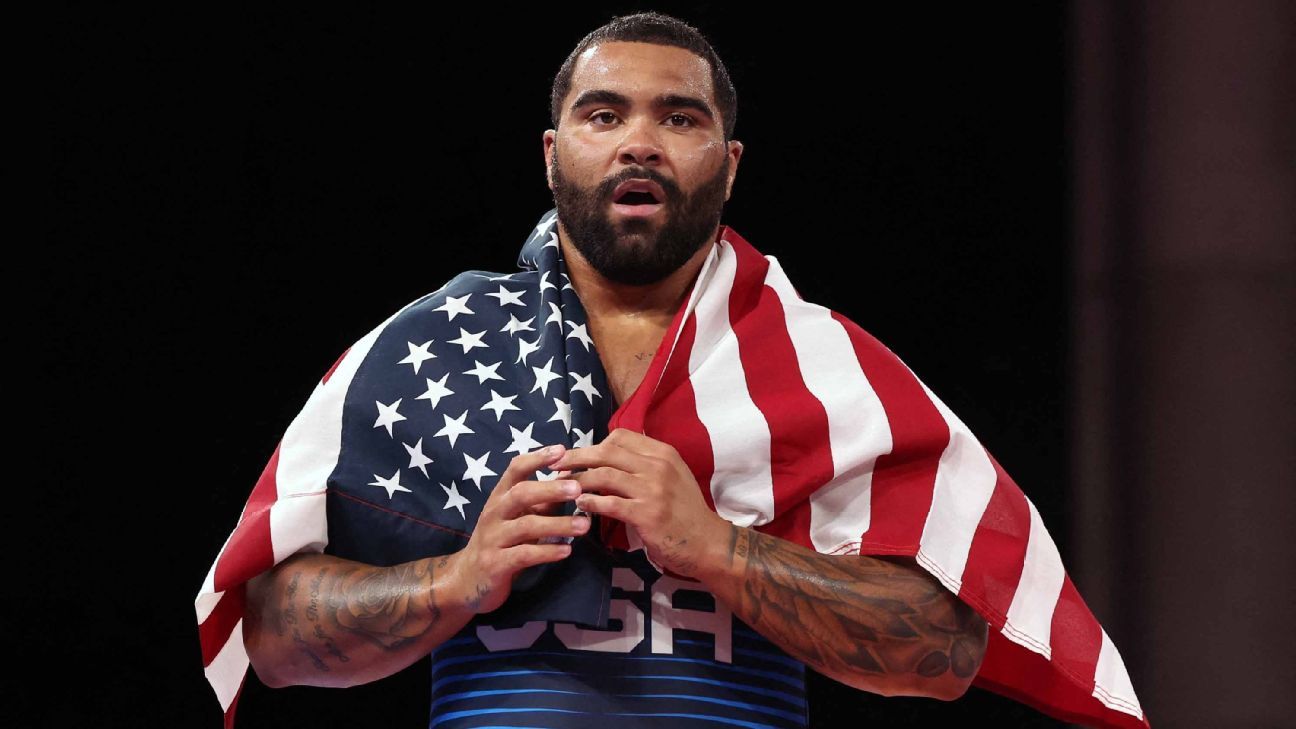
Gable Steveson Targets UFC White House Card Following Third MMA Match