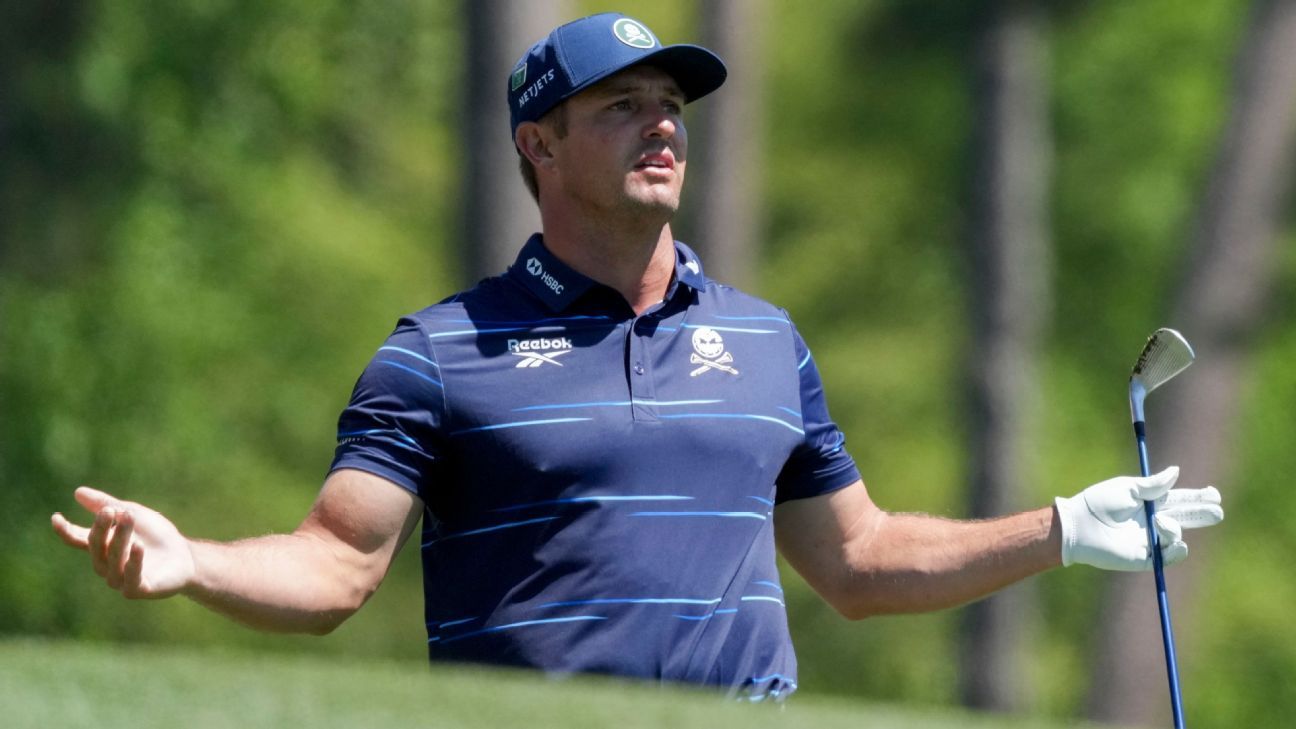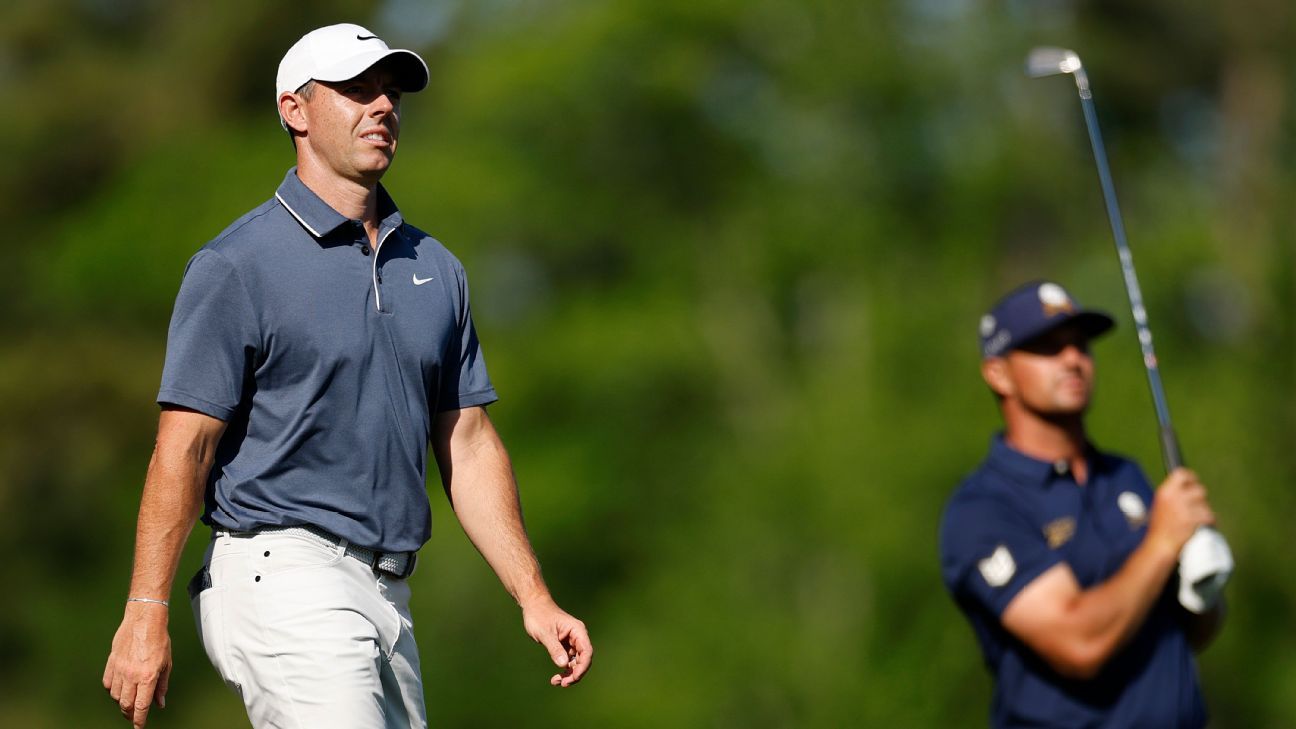
Rory McIlroy claims that LIV Golf’s massive spending spree has hit a plateau, arguing that even retaining stars like Bryson DeChambeau won't shift the sport's shifting landscape.
McIlroy Diminishes LIV’s Market Impact Amid DeChambeau Extension Rumors
The civil war in professional golf continues to simmer, but Rory McIlroy is turning down the heat on LIV Golf’s latest power moves. As rumors circulate that the Saudi-backed circuit is preparing to drop a king’s ransom to secure a contract extension for Bryson DeChambeau, McIlroy remains remarkably unimpressed. To the Northern Irishman, the era of 'needle-moving' signings is firmly in the rearview mirror. His recent comments offer a stark perspective on the ongoing battle for golf's future, particularly concerning McIlroy LIV Golf perspectives.
Speaking with his trademark candor, McIlroy suggested that LIV Golf has reached a point of diminishing returns. Despite the eye-watering hundreds of millions being funneled into the league, the four-time major champion believes the novelty of the breakaway tour has worn thin. He argues that re-signing established names like DeChambeau, while a solid defensive move for LIV, does little to actually grow their audience or threaten the traditional dominance of the PGA Tour. McIlroy’s assessment implies that the initial shock value of players defecting for massive sums has dissipated, replaced by a sense of business as usual for the rival league. This sentiment from McIlroy LIV Golf discussions is becoming increasingly common.
The subtext of McIlroy’s critique is clear: the shock factor that once defined the LIV exodus has evaporated. While DeChambeau remains one of the most polarizing and entertaining figures in the game, McIlroy posits that his continued presence on the Greg Norman-led circuit is already ‘priced in’ by fans. In Rory's view, LIV is now merely spending vast sums to maintain its current status rather than expanding its footprint in a meaningful way. This suggests a strategic shift where LIV is less about poaching new talent to generate buzz and more about retaining its existing roster, a move that McIlroy believes lacks significant impact on the broader golf landscape. The ongoing McIlroy LIV Golf narrative continues to evolve.
This latest verbal jab highlights the exhaustion many feel regarding the sport's financial arms race. As the PGA Tour and the Public Investment Fund (PIF) continue their glacial negotiations toward a potential merger, McIlroy’s comments serve as a reminder that prestige cannot always be purchased. For the world’s top-ranked players, the focus is shifting back to the historic weight of the trophies themselves, rather than the size of the signing bonuses offered in the desert. McIlroy, a vocal advocate for the traditional golf ecosystem, consistently emphasizes the importance of legacy and competitive integrity over purely financial incentives, a core tenet of his McIlroy LIV Golf stance.
The Shifting Landscape of Player Loyalty
McIlroy's perspective on DeChambeau's potential extension underscores a critical evolution in player loyalty within professional golf. Initially, the allure of guaranteed, astronomical contracts was enough to sway numerous high-profile players, creating an unprecedented migration from the PGA Tour. However, as McIlroy points out, the landscape has changed. The initial wave of defections created a clear divide, but now, the remaining top-tier players on the PGA Tour appear more resolute. The narrative has shifted from "who will be next to leave?" to "who will stay and defend the traditional game?"
For LIV Golf, securing DeChambeau, a former U.S. Open champion and one of golf's most recognizable figures, is undoubtedly a priority. His "Bomb and Gauge" style of play and charismatic, albeit sometimes controversial, personality make him a valuable asset for the circuit's brand. However, McIlroy's argument suggests that retaining such a player, while preventing a loss, doesn't translate into a net gain for LIV's overall market share or viewership. It's akin to a football team re-signing a star player; it's essential for team stability, but it doesn't necessarily attract new fans in the way a groundbreaking trade or a new superstar signing might. The McIlroy LIV Golf dynamic often revolves around these strategic considerations.
The market impact of these extensions is also debatable. While LIV has established a dedicated, albeit smaller, fanbase, it has struggled to penetrate mainstream sports viewership in the same way the PGA Tour has. McIlroy's comments imply that simply keeping existing stars won't change this. What LIV truly needs, according to this line of reasoning, are new, compelling narratives and fresh faces that can genuinely challenge the PGA Tour's long-standing appeal and broadcast infrastructure. Without that, McIlroy believes LIV will remain a niche product, regardless of how much money it spends on retaining its current roster.
Implications for the PGA Tour-PIF Merger
Rory McIlroy's candid assessment also carries significant implications for the stalled negotiations between the PGA Tour and Saudi Arabia's Public Investment Fund (PIF). His dismissal of LIV's market-moving capabilities could be interpreted as a subtle message to both sides of the negotiating table. To the PGA Tour, it reinforces the idea that they hold the stronger hand in terms of prestige, history, and a more established fan base. It suggests that while LIV has deep pockets, it lacks the intangible assets that truly define golf's elite competitions. This perspective from McIlroy LIV Golf discussions is crucial.
For the PIF, McIlroy's comments might serve as a reality check. If the goal of their investment in LIV Golf was to fundamentally disrupt and eventually dominate professional golf, then simply retaining players like DeChambeau might not be achieving that objective. It could suggest that their massive investment isn't yielding the desired return in terms of global influence or competitive leverage against the PGA Tour. This could, in turn, influence their negotiation strategy, perhaps making them more amenable to certain terms or less insistent on others.
Ultimately, McIlroy's stance reflects a broader sentiment among many traditionalists in golf: that the sport's value lies beyond mere financial transactions. The majors, the Ryder Cup, and the historical tournaments of the PGA Tour represent a cultural heritage that cannot be bought or replicated overnight. As the merger talks continue to drag on, McIlroy's consistent voice serves as a powerful reminder that while money can buy talent, it cannot always buy legitimacy or the enduring affection of golf fans worldwide. The McIlroy LIV Golf saga is far from over.
Stay informed
Follow SportsNow.
Join the reader list for future briefings and important newsroom updates.
Reader conversation
Your take on the story
Stay with the story
Related coverage
Open desk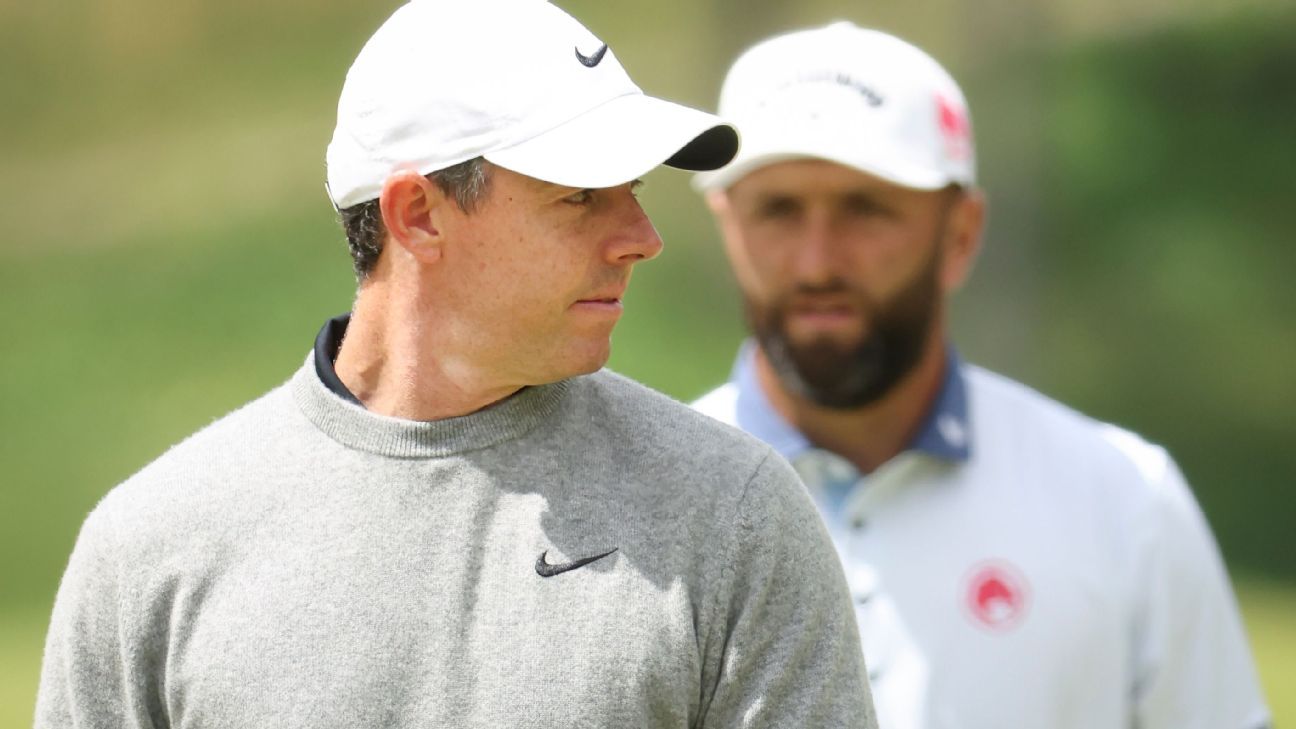
McIlroy Forecasts LIV Golf Exodus After Chapter 11 Bankruptcy Filing
LIV Golf Files for Chapter 11 Bankruptcy Protection; Rahm and DeChambeau Owed Millions