While All-Stars dominate the headlines, hidden pick swaps and protected first-rounders are the real power players shaping this year's NBA trade market.
Title: The Invisible Currency: Why Future Draft Assets Will Direct the NBA’s Trade Deadline Chaos Category: NBA
In the high-stakes poker game of the NBA trade deadline, the players on the court are often just the window dressing. The real movement happens in the fine print of front-office ledgers, where 'frozen' picks, complex protections, and the looming threat of pick swaps dictate who buys and who sells. As the deadline approaches, savvy executives are looking past the jersey names and focusing on a more volatile currency: the future draft assets held by contenders like the Oklahoma City Thunder and Philadelphia 76ers. These future NBA draft assets are the lifeblood of team building, offering both immediate flexibility and long-term security.
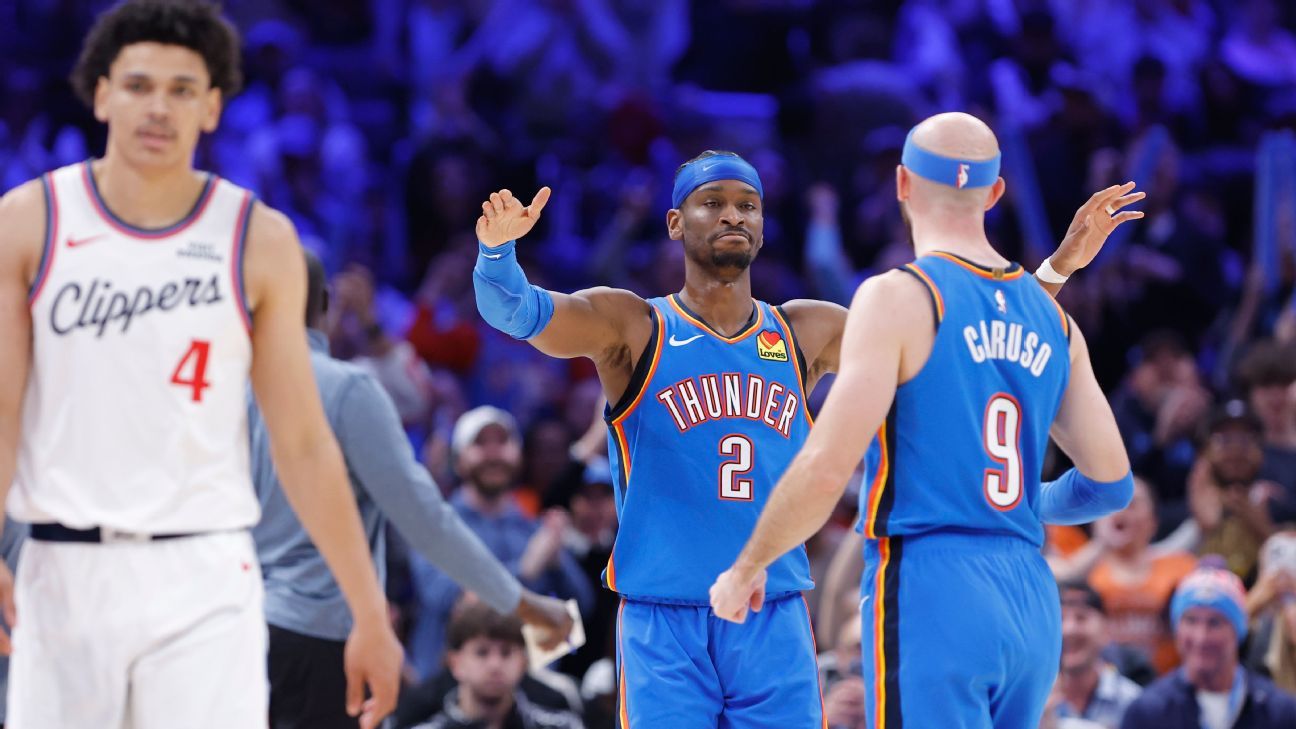
Take the Los Angeles Clippers’ situation, for example. Their aggressive pursuit of a championship, fueled by blockbuster trades for Kawhi Leonard and Paul George, has left a trail of breadcrumbs leading straight to Oklahoma City. Because of the Paul George trade of years past, the Thunder hold a massive amount of leverage over the Clippers' future draft equity. This isn't just about a single pick; it's a cascade of potential first-rounders and the right to swap picks in certain years. As teams look to facilitate complex three-team deals or hunt for significant salary relief, these 'hidden' NBA draft assets—like a 2026 swap or a top-ten protected 2025 pick that could easily convey as unprotected—become the ultimate deal-breakers. A team like the New Orleans Pelicans, for instance, dangling future Atlanta Hawks picks acquired in the Dejounte Murray trade, could suddenly become the kingmaker for a superstar on the move, simply by having a deeper well of unencumbered NBA draft assets. Their ability to offer multiple, relatively clean first-rounders makes them an attractive partner for any rebuilding team looking to offload a high-salaried veteran.
Understanding the market requires a deep dive into 'The Stepien Rule' and the intricate web of protections that can turn a coveted first-rounder into two measly second-rounders in an instant. The Stepien Rule, which prevents teams from trading first-round picks in consecutive future years, often forces teams to get creative, leading to pick swaps and deferred picks that complicate valuations. This year, the focus isn't just on who is available on the trade block, but more crucially, on which teams have the flexibility and the clean NBA draft assets to pull the trigger on a significant deal. With ESPN's Bobby Marks’ latest analysis highlighting the specific protections to watch, and how they impact a pick's true value, it’s clear that the 'asset game' has never been more complicated. A single protection clause—whether it's top-3 protected, lottery protected, or even top-20 protected in a specific year—could be the only thing standing between a franchise-altering trade and a quiet, uneventful deadline day. The difference between a lottery-protected pick that rolls over to the next year and an unprotected pick can be tens of millions of dollars in future talent.
The Art of Asset Accumulation and Depletion
The accumulation and strategic deployment of NBA draft assets are central to modern NBA front office strategy. Teams like the Oklahoma City Thunder have become masters of this, patiently collecting a treasure trove of future picks and pick swaps from various trades. Their philosophy isn't just about drafting talent; it's about having the flexibility to acquire a disgruntled superstar at a moment's notice, or to facilitate complex deals that benefit their long-term vision. Conversely, teams that aggressively pursue championships often deplete their asset reserves, mortgaging their future for a chance at immediate glory. The Clippers are a prime example, having traded away control of many of their future first-round picks. This leaves them in a precarious position where they might need to include valuable players in any significant trade, rather than relying on their own draft capital. The balance between winning now and preserving future flexibility is a constant tightrope walk for general managers.
The Psychological Impact of Future Picks
Beyond their tangible value, these NBA draft assets carry a significant psychological weight. For selling teams, acquiring a collection of future first-round picks offers hope and a clear path to rebuilding, even if those picks are years away. It provides a narrative for frustrated fan bases and signals a commitment to a long-term vision. For buying teams, the willingness to part with significant future draft capital demonstrates a belief in their current roster and a fierce commitment to winning a championship. The "all-in" mentality, often accompanied by trading away multiple unprotected first-rounders, can galvanize a locker room and excite a fan base, even if it leaves the franchise vulnerable down the line. The perceived value of these picks can also fluctuate wildly based on team performance; a pick from a struggling contender becomes far more valuable than one from a perennial lottery team. This dynamic adds another layer of complexity to trade negotiations, as both sides try to project the future success (or failure) of the teams whose picks are on the table.
As the clock ticks down, expect the narrative to shift from 'Who is moving?' to 'How much control are they giving up, and what NBA draft assets are involved?' In a league where the championship window can slam shut in a heartbeat, these draft assets are more than just lottery tickets—they are the insurance policies against unforeseen downturns, the ammunition for future superstar acquisitions, and the foundational pieces that will define the NBA landscape for the next decade. Keep your eyes on the picks; they tell the story that the box scores leave out, revealing the true strategic maneuvers playing out behind the scenes. The team with the cleanest, most numerous, and most valuable NBA draft assets will ultimately hold the most power when the trade deadline chaos truly begins.
Stay informed
Follow SportsNow.
Join the reader list for future briefings and important newsroom updates.
Reader conversation
Your take on the story
Stay with the story