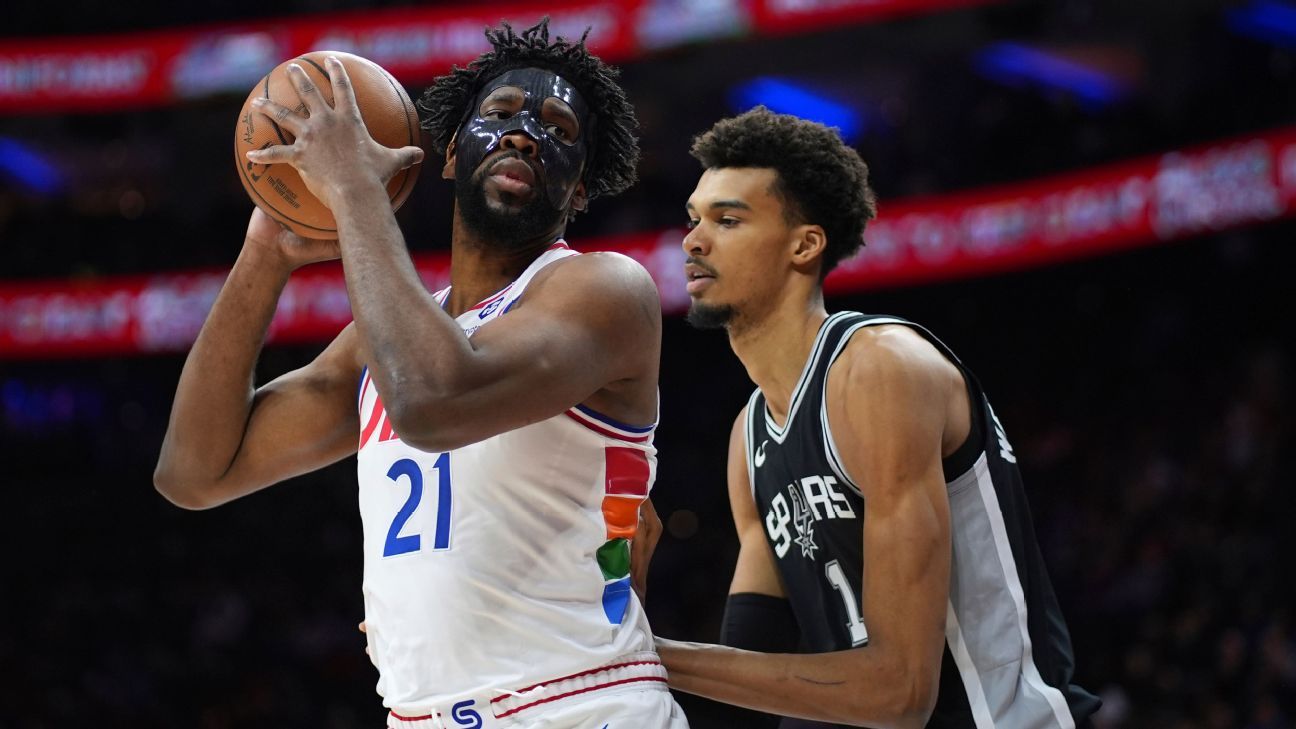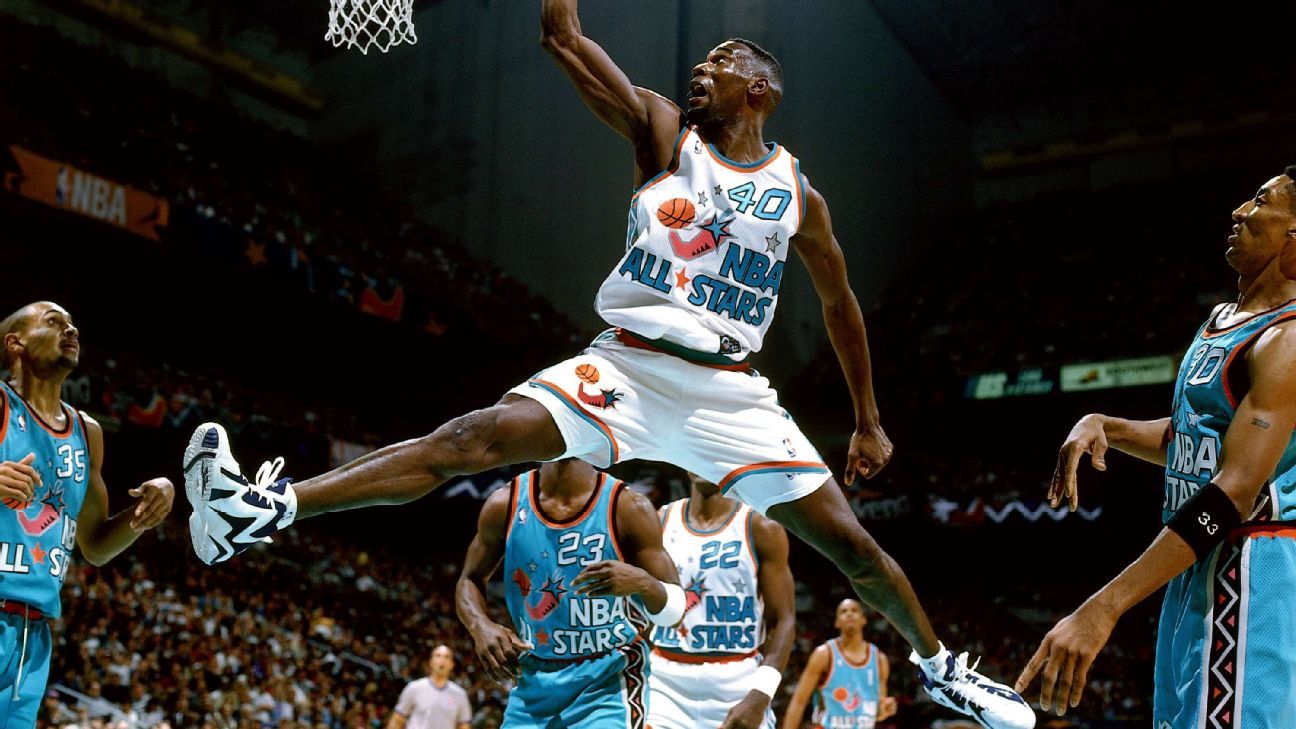
From the inaugural 1951 exhibition to the bold graphics of the 1990s, NBA All-Star Game uniforms have mirrored the league's aesthetic and cultural transformations.
The inaugural NBA All-Star Game in 1951 established a visual precedent for professional basketball’s premier exhibition, featuring kits that prioritized mid-century athletic utility. These original garments consisted of high-cut short shorts and jerseys with basic block lettering, a stark contrast to the complex technical fabrics used in the modern era. During this foundational period, the apparel remained relatively static, focusing on functional simplicity rather than the marketing-driven designs that would eventually dominate the league’s midseason showcase. The 1951 event served as the primary catalyst for creating a distinct wardrobe that separated the league's elite performers from their standard regular-season team identities.
As the decades progressed, the silhouette of the NBA All-Star Game uniforms underwent a gradual transformation, moving away from the restrictive fits of the fifties and sixties. By the late 1980s, the league began experimenting with more expansive color palettes, though the core design elements still retained a sense of traditionalism. This era acted as a bridge between the minimalist roots of the inaugural game and the radical aesthetic departures that would define the subsequent decade. The transition reflected broader shifts in sports apparel technology, as manufacturers sought to balance player comfort with increasingly sophisticated visual branding strategies.
The 1990s flair introduced a period of unprecedented experimentation in jersey design, characterized by vibrant hues and oversized graphic motifs. Designers during this decade abandoned the subtle aesthetics of the past in favor of bold, teal-heavy color schemes and intricate patterns that captured the cultural energy of the time. This specific era is often cited for its departure from conventional basketball attire, utilizing the All-Star platform to test daring concepts that would have been considered too flamboyant for standard league play. The introduction of these flamboyant kits marked a significant pivot in how the NBA marketed its global icons through specialized merchandise.
Chronological analysis of these garments reveals a constant cycle of reinvention, where each iteration serves as a historical marker for the sport’s growth. The shift from the utilitarian short shorts of 1951 to the baggy, stylized kits of the late twentieth century illustrates the league's evolving relationship with fashion and pop culture. Modern designs often pay homage to these historical shifts, occasionally reintroducing retro elements to celebrate the heritage of the midseason classic. Each jersey represents a deliberate attempt to distinguish the All-Star experience as a unique spectacle, separate from the 82-game grind of the regular season.
Today, the legacy of the 1951 debut remains visible in the DNA of every new collection, even as the league adopts cutting-edge materials and digital-first design philosophies. The evolution from basic athletic wear to high-fashion performance gear highlights the professionalization of sports branding over the last seventy years. By tracking these changes, fans can observe how the NBA has navigated the intersection of athletic performance and visual identity, ensuring that the All-Star Game remains a showcase for both talent and style. The journey from the first tip-off in 1951 to the present day confirms that the jersey is more than just a uniform; it is a canvas for the league’s ever-changing narrative.
Stay informed
Follow SportsNow.
Join the reader list for future briefings and important newsroom updates.
Reader conversation
Your take on the story
Stay with the story