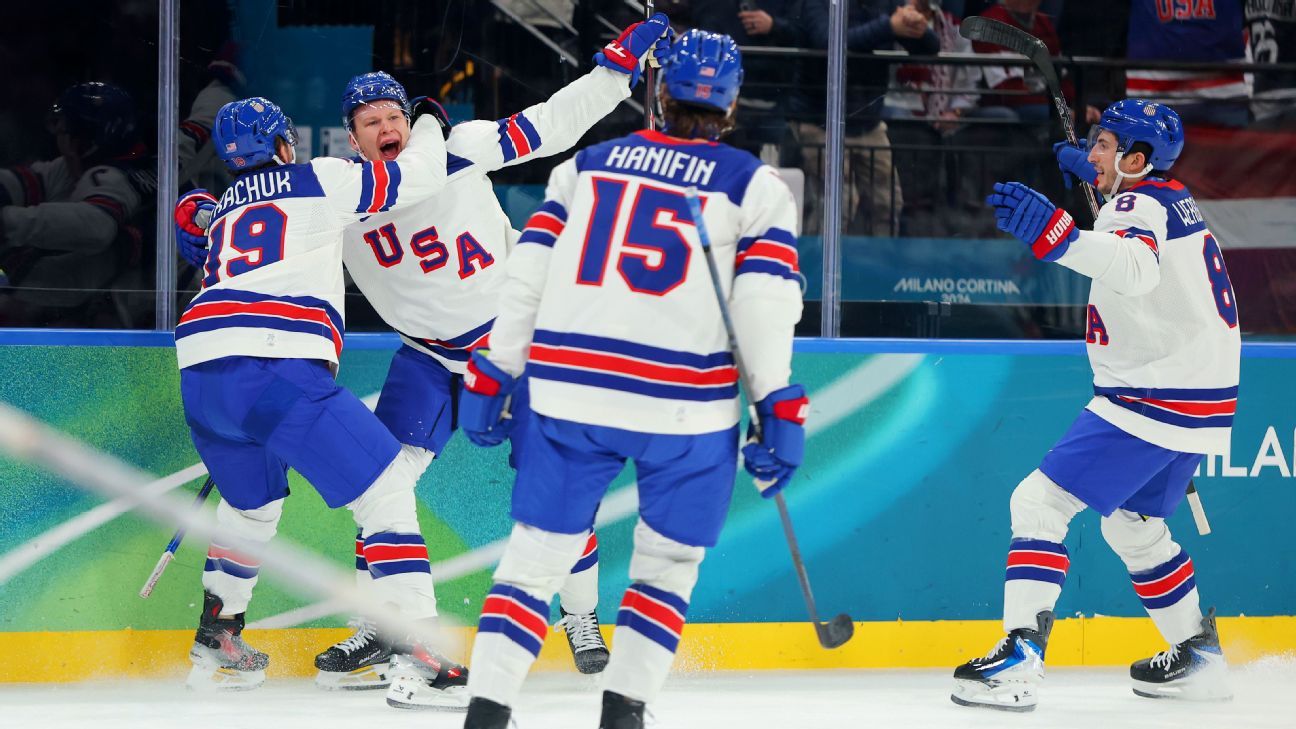
A deep dive into the metrics and strategic advantages that could propel the U.S. men's hockey team to a gold medal victory over their Canadian rivals.
The 2024-25 NHL season features 29.1% American-born players, a record high that underscores the closing talent gap between the United States and Canada. In the most recent international cycles, the U.S. National Team Development Program has produced 17 first-round draft picks over a two-year span, providing a pipeline of elite skaters capable of matching the 43.5% Canadian representation currently in the league. This influx of high-end talent suggests that a gold medal matchup would no longer be a lopsided affair but a contest decided by razor-thin margins in puck possession and special teams efficiency.
Auston Matthews became the first American to reach the 60-goal plateau twice, a feat that highlights the offensive firepower available to the U.S. men's hockey roster. When comparing top-six forward groups, the American side now boasts three different players who have eclipsed 100 points in a single campaign within the last three seasons. This statistical surge provides the tactical flexibility required to challenge a Canadian defensive corps that has traditionally relied on superior size and veteran experience to stifle international opponents.
Goaltending metrics further favor the United States, with three American netminders finishing in the top five for save percentage during the previous NHL regular season. Connor Hellebuyck’s .921 save percentage and Vezina Trophy credentials offer a level of stability between the pipes that Canada has struggled to replicate since the decline of their previous generation of elite starters. A single-elimination tournament format disproportionately rewards this type of elite goaltending, making the American squad a statistical favorite in high-pressure defensive zones.
Defensive depth has shifted toward the U.S. as well, with Quinn Hughes and Adam Fox representing two of the last four Norris Trophy winners. These mobile blueliners average over 24 minutes of ice time per game, allowing the American transition game to operate at a pace that often overwhelms traditional heavy-checking systems. By utilizing a puck-moving strategy, the U.S. can effectively bypass the neutral zone trap that Canadian coaches have historically employed to slow down high-speed international contests.
Power play conversion rates for American-led units in the NHL have hovered near 26%, a figure that would likely translate to international ice where more space is available. The ability to deploy two distinct units featuring 40-goal scorers creates a mismatch for any penalty kill, regardless of the opponent's pedigree. This specialized scoring ability is the primary driver behind the argument that a shift in the global hierarchy is not just possible, but statistically probable given the current trajectory of player development.
Market data indicates that a U.S. victory would catalyze a 15% increase in youth hockey registration across the Sun Belt, a region already seeing rapid growth. Beyond the ice, the commercial implications of an American gold medal include higher domestic television ratings and increased sponsorship valuation for the national governing body. Such an outcome validates the multi-decade investment in non-traditional hockey markets, proving that the blueprint for developing world-class athletes is no longer exclusive to northern climates or Canadian provinces.
Stay informed
Follow SportsNow.
Join the reader list for future briefings and important newsroom updates.
Reader conversation
Your take on the story
Stay with the story
Related coverage
Open desk
U.S. Men's Hockey Team Visits White House After 2-1 Gold Medal Win Over Canada

Eichel and Tkachuk Spark U.S. Men's Hockey to 6-3 Victory Over Denmark