The 1994 MLB strike halted a season where Matt Williams had 43 home runs by August 10 and Tony Gwynn was batting .394.
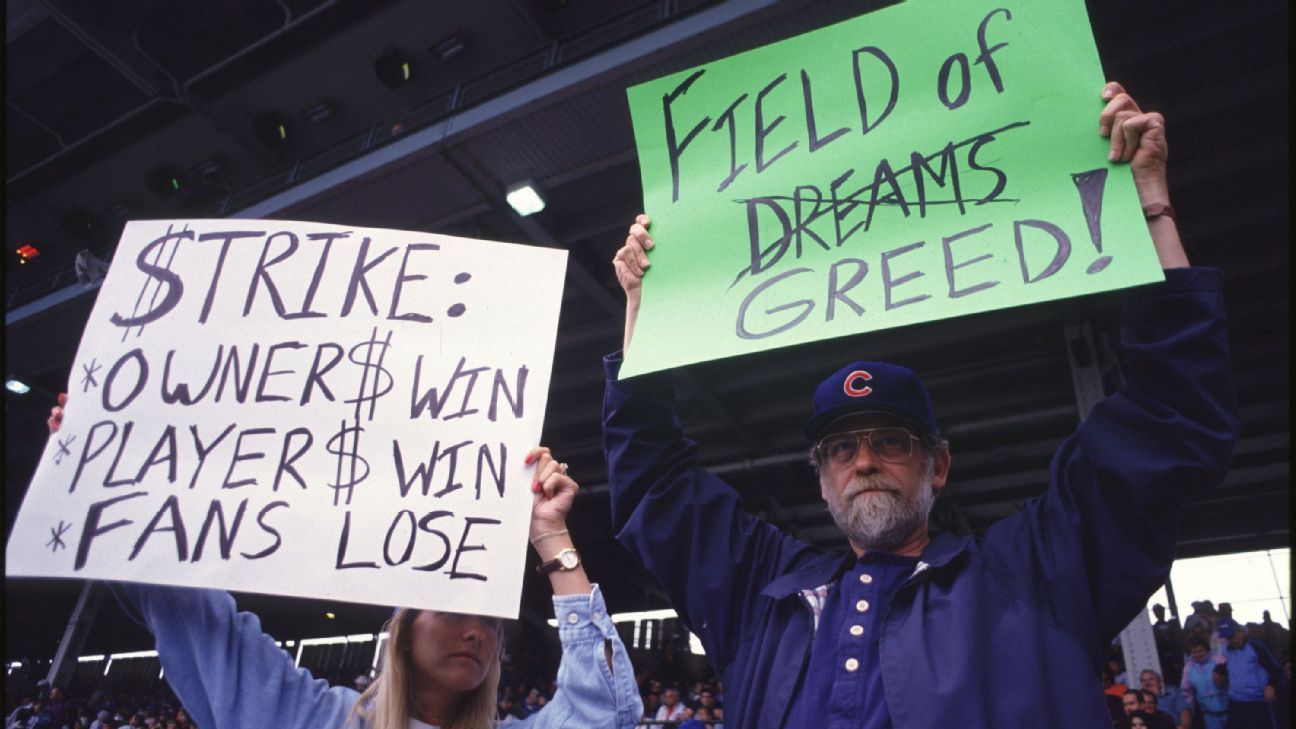
The 1994 MLB strike officially commenced on August 12, 1994, two days after the Chicago Cubs fell 5-2 to the San Francisco Giants. In that final contest on August 10, Matt Williams hit his 43rd home run of the season. This pace put Williams on track to challenge Roger Maris’ single-season record of 61 home runs. The work stoppage resulted in the cancellation of the 1994 World Series, an announcement made by Bud Selig that September. Consequently, Wrigley Field remained dark until late April 1995, when the Cubs returned to play against the Montreal Expos.
Tony Gwynn’s pursuit of a .400 batting average ended abruptly with his mark sitting at .394. After the All-Star break, Gwynn hit .423 over 28 games. He had previously dropped to a .378 average on June 20, but from that date until August 11, he recorded a .414 batting average. His .394 mark on August 11 was his highest since June 1. This performance occurred during a five-year stretch starting at age 33 where Gwynn averaged .368. Comparatively, the league batting average in 1994 was .270, which is 26 points higher than the .244 average recorded in 2026.
Home Run Chases and Milestone Losses
Matt Williams was one of six sluggers on pace to reach the 50-home run threshold in 1994. Joining him in this pursuit were Ken Griffey Jr., Jeff Bagwell, Frank Thomas, Barry Bonds, and Albert Belle. Prior to this season, only two players had reached 50 homers in the preceding three decades: George Foster with 52 in 1977 and Cecil Fielder with 51 in 1990. Williams never surpassed 35 home runs in a single season following the strike, leaving 43 as his career high.
Fred McGriff finished the 1994 season with 34 home runs. Projections based on his rate of play suggested he would have hit 14 additional homers had the season continued, which would have placed him in the 500-career home run club. McGriff retired with 493 career home runs and waited 19 years before being inducted into the Hall of Fame via an era committee. Current players nearing the 500-homer mark include Giancarlo Stanton, Mike Trout, Bryce Harper, and Aaron Judge, while Shohei Ohtani has 306 home runs at age 31.
Pitching Dominance and Attendance Records
Greg Maddux delivered a complete-game shutout on 94 pitches against the Colorado Rockies at Mile High Stadium the day before the strike began. The crowd of 65,043 witnessed Maddux allow only four hits. Over the 1994 and 1995 seasons, Maddux posted a 35-8 record with a 1.60 ERA, a 265 ERA+, and 18.2 bWAR. In 1994 alone, he made 25 starts; had he made his usual 35 starts, his 16-6 record was projected to reach 24-7. Adding 11 estimated wins to his career total would have moved him to 366 wins, placing him fifth all-time behind Cy Young, Walter Johnson, Grover Alexander, and Christy Mathewson.
Before the stoppage, MLB attendance averaged 31,256 fans per game, trending to break the 1993 record of 30,964. The Colorado Rockies led the league with an average of 58,598 fans at Mile High Stadium, a pace that would have resulted in 4.7 million spectators for the year. When play resumed in 1995, the league average dropped to 25,021. By 2026, attendance had recovered to an average of 29,575.
Impact on Division Races and Awards
1994 marked the debut of the six-division format and the wild-card system. The Kansas City Royals were in the midst of a 13-game winning streak when play stopped, sitting four games behind the Chicago White Sox in the AL Central and three games behind the Cleveland Indians in the wild-card race. The Royals finished 64-51 and did not record another winning season until 2003. The New York Yankees held the best record in the American League and a 6.5-game lead over Baltimore in the AL East on August 12.
Frank Thomas won the AL MVP, batting .353/.487/.729 with 38 home runs and 101 RBIs. However, Kenny Lofton led the league with 7.2 bWAR. Lofton was hitting .349 and was on pace for 148 runs and 85 stolen bases. In the National League, Jeff Bagwell was among those on pace for 50 homers. Off the field, Michael Jordan was scheduled to attend White Sox spring training in 1995 as a non-roster invitee but returned to the NBA following the use of replacement players.
Stay informed
Follow SportsNow.
Join the reader list for future briefings and important newsroom updates.
Reader conversation
Your take on the story
Stay with the story
Related coverage
Open desk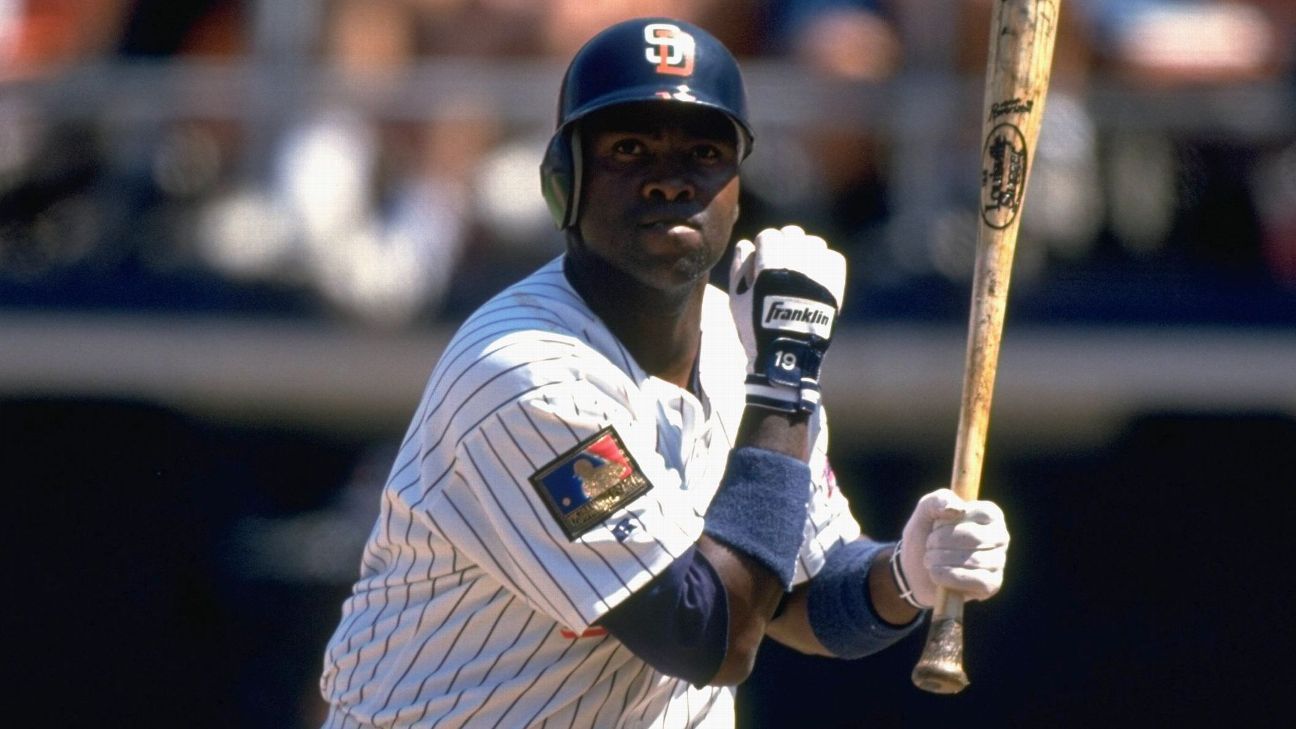
1994 MLB Strike Lessons: Tony Gwynn’s .394 Average and the Expos’ 74-40 Run
Pete Crow-Armstrong Belts 14 August Homers as Phillies Go 20-7