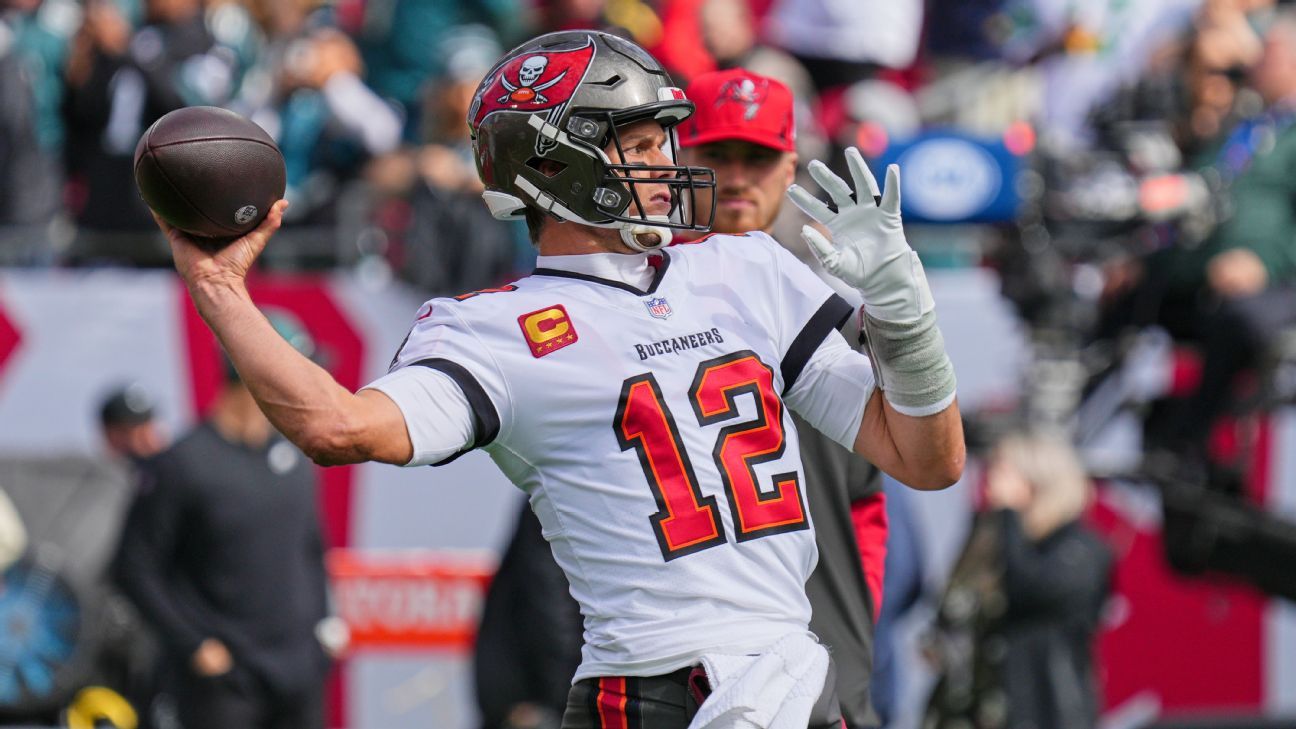
From Tom Brady's Super Bowl LV victory to Brock Osweiler's short-lived Houston tenure, we analyze the data behind the NFL's biggest free agent contracts.
The 2020 signing of Tom Brady by the Tampa Bay Buccaneers stands as the gold standard for veteran acquisitions, resulting in 4,633 passing yards and 40 touchdowns during his inaugural season in Florida. This two-year, $50 million fully guaranteed contract culminated in a 31-9 victory over the Kansas City Chiefs in Super Bowl LV, making Brady the first quarterback to lead two different franchises to championships. Conversely, the Houston Texans’ 2016 investment in Brock Osweiler remains a cautionary tale of market inflation; the organization committed $72 million over four years, including $37 million in guarantees, for a player who threw 16 interceptions against just 15 touchdowns in 15 starts.
Financial volatility defined the 2013-2022 era, where the salary cap rose from $123 million to $208.2 million, allowing front offices to offer unprecedented guarantees. In 2018, Kirk Cousins signed the league’s first fully guaranteed multi-year contract, a three-year deal worth $84 million with the Minnesota Vikings, establishing a new precedent for quarterback leverage. During his first four seasons in Minneapolis, Cousins maintained a completion percentage of 68.3%, yet the team achieved only one playoff victory in that span. This disparity between individual efficiency and collective postseason advancement highlights the inherent risk of allocating over 15% of a team's total cap space to a single veteran signal-caller.
Defensive spending reached a fever pitch in 2015 when the Miami Dolphins secured Ndamukong Suh with a six-year, $114 million contract that included $60 million in guaranteed compensation. Suh recorded 15.5 sacks over three seasons in Miami, a figure that failed to propel the franchise past the Wild Card round of the AFC playoffs. Similarly, the 2019 offseason saw the New York Jets commit $85 million to linebacker C.J. Mosley, who appeared in only two games during his first two years with the team due to injury and a COVID-19 opt-out. These transactions illustrate how physical durability often dictates the ultimate return on investment for high-priced defensive stalwarts.
Wide receiver markets shifted dramatically in 2022 when the Las Vegas Raiders traded for and signed Davante Adams to a five-year, $141.25 million extension. Adams responded by leading the league with 14 receiving touchdowns and accumulating 1,516 yards, proving that elite skill players can maintain All-Pro production despite a change in offensive systems and quarterbacks. This success stands in stark contrast to Kenny Golladay’s 2021 move to the New York Giants on a four-year, $72 million deal; Golladay managed zero touchdowns on 37 receptions during his first 14 games in New York.
The 2014 Denver Broncos utilized free agency to rebuild a defense that had surrendered 43 points in Super Bowl XLVIII, signing DeMarcus Ware, Aqib Talib, and T.J. Ward to contracts totaling over $100 million. This aggressive spending bore fruit in 2015, as the unit allowed a league-low 283.1 yards per game and secured a victory in Super Bowl 50. Such outcomes suggest that targeted veteran additions are most effective when filling specific schematic voids rather than serving as the sole foundation of a roster. The data from this ten-year window confirms that while 60% of top-tier free agents fail to reach a second contract with their new team, the 40% who succeed often define the championship landscape.
Stay informed
Follow SportsNow.
Join the reader list for future briefings and important newsroom updates.
Reader conversation