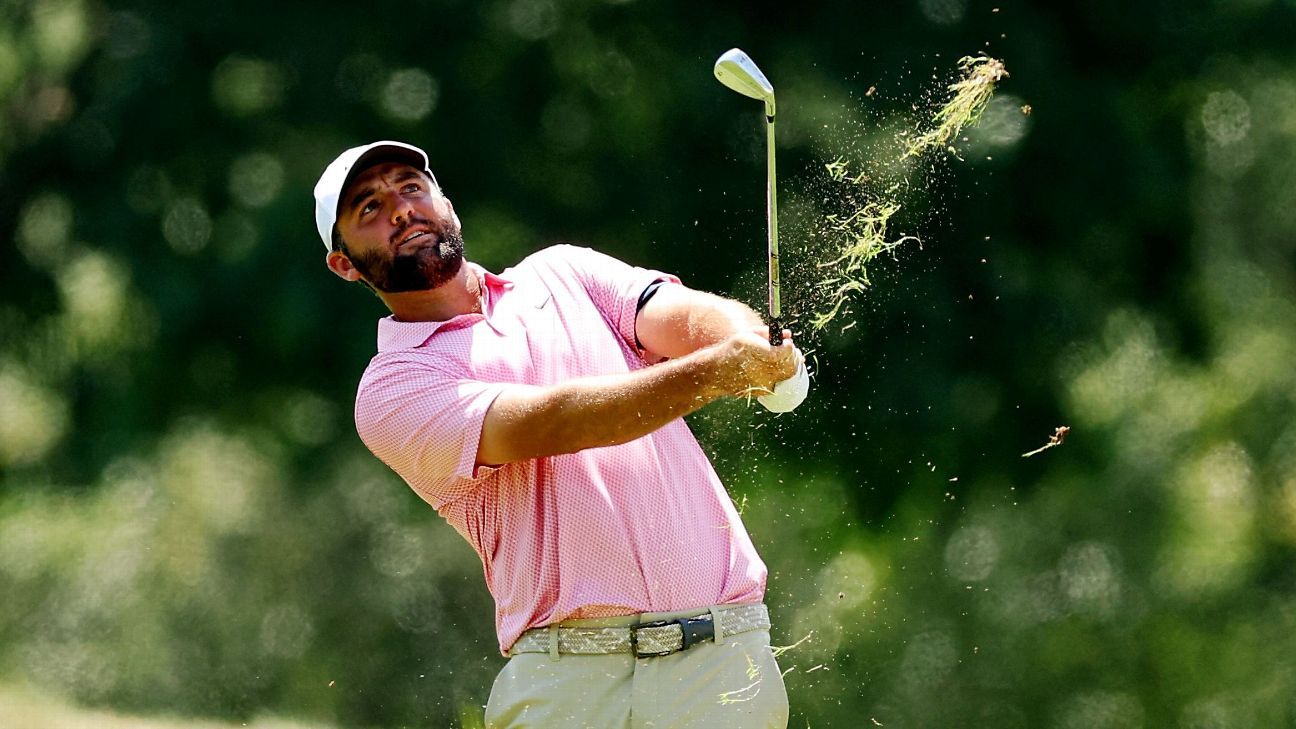
Rory McIlroy has cast a shadow of doubt over professional golf's reunification, warning that the ideological chasm between the PGA Tour and LIV Golf may now be too wide to bridge.
A House Divided: McIlroy Sounds the Alarm as PGA-LIV Peace Talks Stall
For over a year, the golf world has held its breath, waiting for a 'civil war' to end with a definitive handshake. However, Rory McIlroy—once the PGA Tour’s fiercest defender and now its most weary diplomat—is signaling that the white flag might be buried under too much rubble. Speaking with a tone of stark realism, McIlroy suggested that the PGA Tour and the Saudi-backed LIV Golf circuit have drifted 'too far apart' to realistically form the unified alliance fans were promised last June. His candid remarks, delivered with a palpable sense of frustration and resignation, paint a bleak picture for the future of professional golf, casting a long shadow over the ongoing PGA LIV talks.
Related: A Green Jacket for a Guaranteed Check: NCAA King Michael La ...
The Northern Irishman’s assessment comes at a critical juncture for the sport, which has seen TV ratings dip and fan fatigue soar as top-tier talent remains split across two different ecosystems. This fragmentation has arguably diluted the product, especially in regular-season events where the absence of marquee players is keenly felt. While leadership on both sides has publicly maintained that negotiations are ongoing, McIlroy’s comments point to a deepening complexity. Between the legal hurdles of Department of Justice oversight, which has scrutinized the proposed merger for potential anti-competitive practices, and the conflicting visions for how the game should be presented – one rooted in tradition, the other in a more disruptive, team-based format – the roadmap to a 'Global Tour' is looking more like a dead end. The initial shock announcement of the framework agreement on June 6, 2023, which promised an end to hostilities and a unified future, now feels like a distant memory, replaced by a growing sense of skepticism regarding the PGA LIV talks.
What was once a battle over morality and legacy has shifted into a cold war of logistics and stubbornness. McIlroy noted that the sheer distance between the two entities—both financially and structurally—makes a full merger feel like a distant dream. The PGA Tour operates as a non-profit organization with a long-standing history and a complex web of player benefits and tournament structures. LIV Golf, backed by Saudi Arabia's Public Investment Fund (PIF), functions as a for-profit enterprise with a vastly different financial model, offering guaranteed contracts and team-based prize money. The optimism that followed the initial framework agreement has been replaced by a realization that the fractured pieces of professional golf may never perfectly snap back into place, a sentiment that weighs heavily on the prospects of successful PGA LIV talks.
Related: Island King: Chris Gotterup’s Back-Nine Blitz Secures Sony O...
As the divide hardens, the real losers remain the spectators, who continue to see diluted fields outside of the four Major championships. These majors, independently run, are the only events where the world's best golfers consistently compete against each other, offering a tantalizing glimpse of what a unified tour could be. McIlroy’s grim outlook serves as a reality check for those hoping for a quick resolution. If the game’s biggest stars are losing faith in a deal, golf may have to buckle up for a permanent, and perhaps painful, era of segregation. The ongoing uncertainty surrounding the PGA LIV talks is not just a boardroom issue; it's a fundamental challenge to the sport's appeal and its ability to captivate a global audience.
The Financial Chasm and Strategic Impasse
The financial disparities between the PGA Tour and LIV Golf present a monumental hurdle that goes far beyond simple negotiation. LIV Golf, with the seemingly bottomless pockets of the Saudi Public Investment Fund, has demonstrated an ability to offer unprecedented sums to attract players, fundamentally altering the economic landscape of professional golf. The PGA Tour, while incredibly lucrative, operates within a different financial paradigm, relying on sponsorship, media rights, and tournament purses built over decades. Integrating these two vastly different financial models without alienating existing PGA Tour loyalists or conceding too much control to the PIF is a puzzle that has proven intractable.
Furthermore, the strategic visions for the sport diverge significantly. The PGA Tour emphasizes individual achievement, historical records, and a merit-based system of progression and qualification. LIV Golf, conversely, champions a team-based format, shorter tournaments, and a more entertainment-focused product designed to appeal to a younger demographic. Bridging this philosophical gap, particularly when considering the established traditions and fan expectations of golf, is proving incredibly difficult. Any potential resolution from the PGA LIV talks would require a radical reimagining of one or both entities, a prospect met with considerable resistance from various stakeholders. The desire for control and the protection of respective business models continue to overshadow any shared vision for the sport's future.
Player Loyalty and the Long-Term Impact
The initial exodus of players to LIV Golf created deep fissures within the professional ranks, and while some of that animosity has softened, underlying tensions remain. Players who stayed loyal to the PGA Tour often feel vindicated by their decision, particularly as LIV Golf has yet to secure Official World Golf Ranking points or a robust global schedule. Conversely, those who jumped to LIV did so for financial security and a different competitive environment, and they are unlikely to easily concede their positions or earnings.
McIlroy, having been a vocal critic of LIV and then a proponent of reconciliation, understands the delicate balance required to heal these wounds. His current pessimism suggests that the divisions among players, while perhaps less overt, are still a significant barrier to any meaningful resolution in the PGA LIV talks. The long-term impact of this continued schism extends beyond just player earnings; it affects the narrative of the sport, the development pathways for aspiring professionals, and golf's overall standing in the crowded global sports market. A generation of golf fans is growing up with a fractured sport, and the longer this division persists, the harder it will be to mend the fabric of professional golf and restore its unified appeal. The current state of affairs is not merely a temporary inconvenience; it risks fundamentally altering golf's identity for decades to come, making the outcome of the PGA LIV talks all the more critical, yet increasingly uncertain.
Stay informed
Follow SportsNow.
Join the reader list for future briefings and important newsroom updates.
Reader conversation
Your take on the story
Stay with the story
Related coverage
Open desk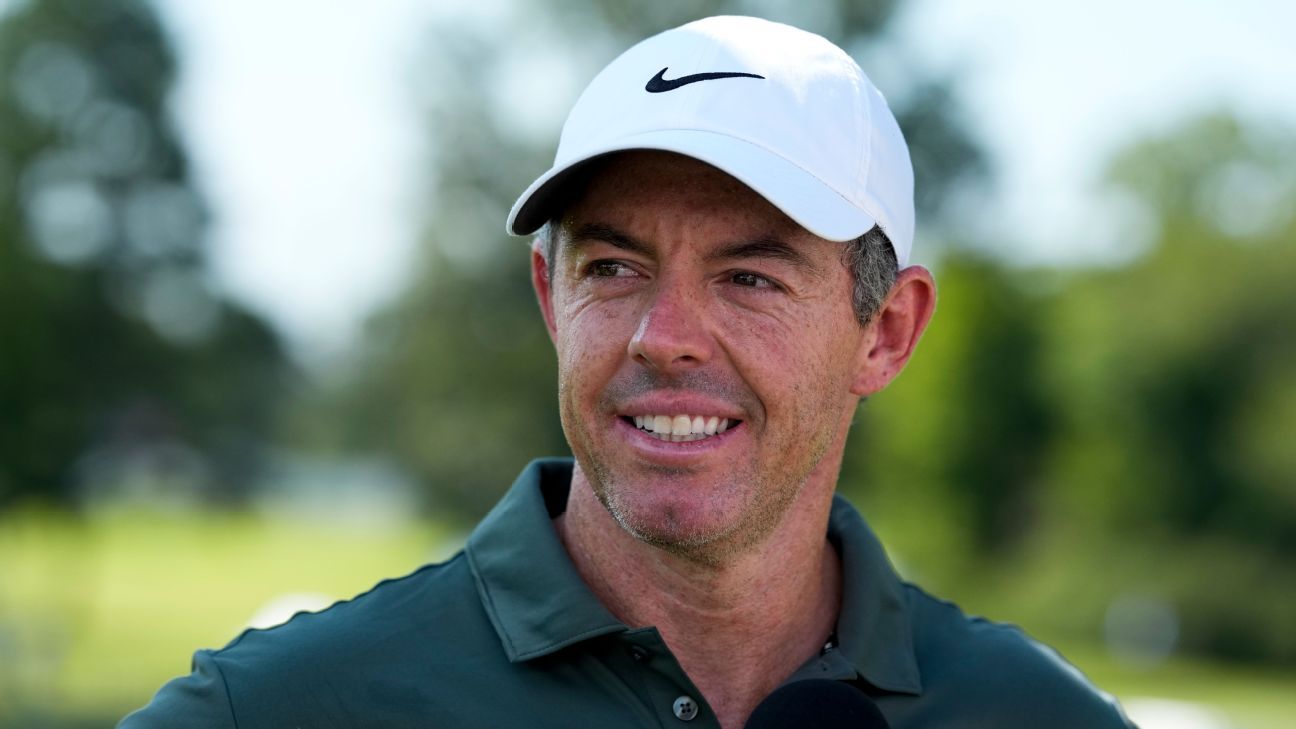
McIlroy and Scheffler Clash Over Value of LIV Golf Players Returning to PGA Tour
McIlroy Forecasts LIV Golf Exodus After Chapter 11 Bankruptcy Filing