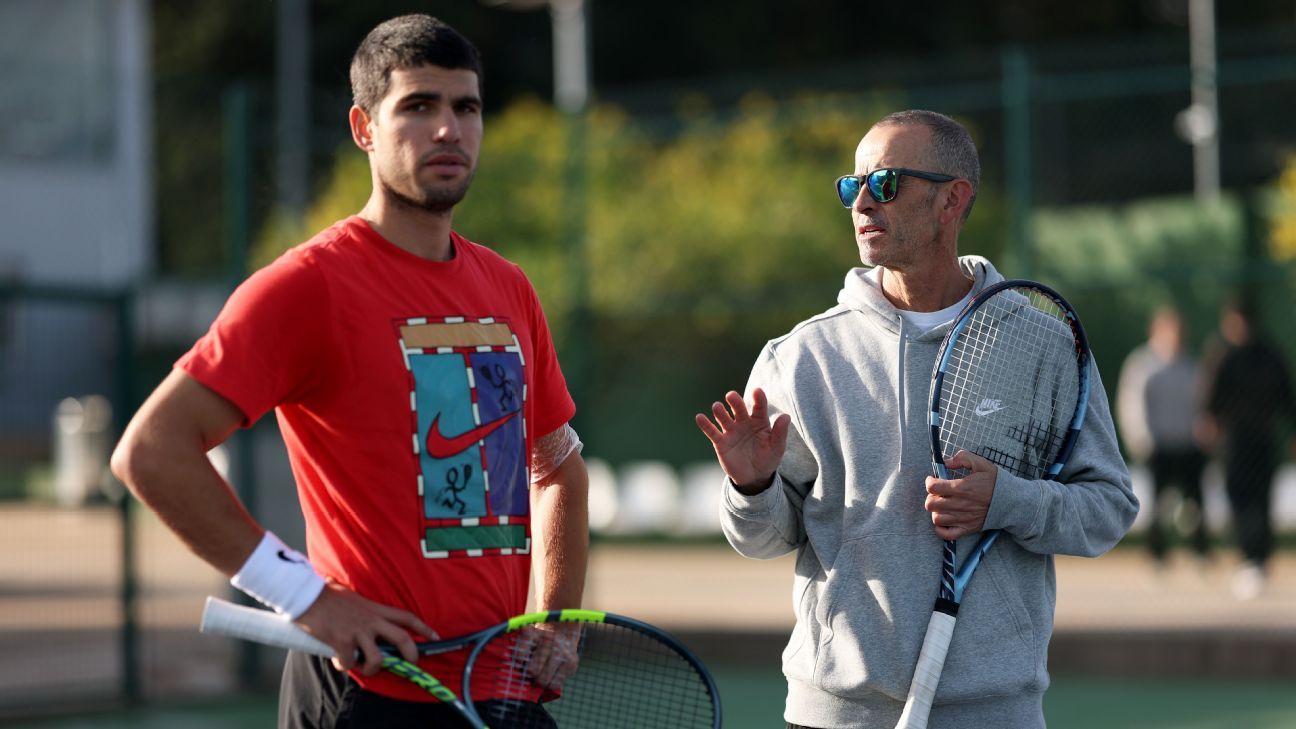
Tennis sensation Carlos Alcaraz is embracing a major structural shift in his inner circle, expressing high hopes for his revamped team following a surprise split with longtime mentor Juan Carlos Ferrero.
A New Chapter in Murcia: Alcaraz Breaks Silence on Post-Ferrero Era
The landscape of men’s tennis shifted significantly this week as Carlos Alcaraz addressed the elephant in the room: the departure of Juan Carlos Ferrero. For years, the bond between ‘Carlitos’ and the former world number one was considered unbreakable—a blueprint for modern player-coach synergy. Their partnership, forged in the crucible of the Ferrero Equelite Academy, saw Alcaraz ascend from a promising junior to a multiple Grand Slam champion and the youngest ever world number one. This meteoric rise was often attributed not just to Alcaraz's prodigious talent, but also to Ferrero's astute guidance, tactical prowess, and deep understanding of the mental rigors of professional tennis. However, as the young Spaniard prepares for a new season, he isn't looking back with trepidation, but rather forward with a calculated sense of optimism, signaling a profound moment in his burgeoning career.
While the separation from Ferrero marks the end of a prolific partnership that yielded multiple Grand Slams, including the US Open in 2022 and Wimbledon in 2023, Alcaraz has been quick to douse any flames of speculation regarding a potential crisis. The news of the Alcaraz Ferrero split sent ripples through the tennis world, prompting widespread discussion about the future trajectory of the Spanish phenom. Yet, speaking with the poise of a veteran, far beyond his 20 years, the world number two emphasized that his faith in his current sporting structure remains unshakable. He isn't rushing to a flashy new hire, a common knee-jerk reaction in such high-profile situations; instead, he is leaning on the depth of the team already surrounding him in Murcia, a testament to the comprehensive support system built over years.
“I have plenty of confidence in my new team,” Alcaraz stated, signaling a transition toward internal growth and stability. This declaration is a powerful statement, indicating a deliberate strategy rather than a reactive measure. By opting for a quieter approach to his coaching staff, eschewing the pursuit of another high-profile mentor, Alcaraz is effectively betting on himself and the established systems at the Ferrero Equelite Academy. This move suggests a desire for a more autonomous chapter in his career, where he takes greater ownership of his strategic development on the court, a natural progression for a player who has already achieved so much at such a young age. The Alcaraz Ferrero split, therefore, might be less about a breakdown and more about evolution.
In the high-stakes world of the ATP Tour, such a high-profile split often leads to a frantic search for a 'super coach,' someone with a proven track record of guiding top players to major titles. Yet, Alcaraz seems content to play it cool, demonstrating a maturity that belies his age. His focus remains fixed on the physical and tactical adjustments needed to reclaim the top spot from Novak Djokovic, proving that while the face in the player's box may change, the ambition to dominate the sport remains the same. As the tour moves toward the Australian swing, the first Grand Slam of the year, all eyes will be on how this newfound independence translates to silverware. The narrative surrounding the Alcaraz Ferrero split will undoubtedly follow him, but his performance will ultimately dictate the success of this new era.
The Nuances of the Alcaraz Ferrero Split
The decision for the Alcaraz Ferrero split, while surprising to many outsiders, likely stems from a complex interplay of factors. While neither party has offered extensive public details, it's plausible that Alcaraz, having reached the pinnacle of the sport, felt a need for a different kind of guidance, or perhaps more autonomy in his decision-making process. Ferrero, a former world number one himself, brought invaluable experience and a champion's mentality, but as players mature, their needs evolve. It's not uncommon for top athletes to cycle through coaches as they seek fresh perspectives or adapt their game to new challenges. The foundation laid by Ferrero is undeniable, providing Alcaraz with the technical skills, physical conditioning, and mental fortitude to succeed. Now, Alcaraz might be looking to refine those elements with a more personalized approach from his existing team, which includes his father, Carlos Alcaraz Sr., who has always been a significant influence, and other trusted figures within the academy. This internal structure offers continuity and a deep understanding of Alcaraz's unique strengths and weaknesses, potentially mitigating the disruption often associated with a major coaching change. The absence of a new, external "super coach" also suggests a belief in the existing infrastructure's ability to provide the necessary support and expertise.
Implications for the ATP Tour and Alcaraz's Rivals
The Alcaraz Ferrero split sends a clear message to the rest of the ATP Tour: Alcaraz is entering a new phase of his career, potentially one where he takes even greater personal responsibility for his development. For his rivals, particularly Novak Djokovic and Jannik Sinner, this transition presents both an opportunity and a challenge. On one hand, any period of adjustment for a top player can be exploited. If Alcaraz struggles initially to find his rhythm or adapt to new tactical approaches without Ferrero's direct input, his competitors will be eager to capitalize. On the other hand, a more autonomous Alcaraz, one who is fully invested in his own strategic evolution, could emerge even stronger and more unpredictable. The psychological aspect is also crucial; if Alcaraz demonstrates unwavering confidence in his new setup, it could be a powerful statement of intent. The dynamic between player and coach is deeply personal, and a change, even if amicable, always carries an element of risk. However, Alcaraz's calm demeanor and clear articulation of his confidence suggest he has carefully considered this move. His performance in the early part of the season, particularly during the Australian Open, will be intensely scrutinized, not just for his results, but for the subtle shifts in his game and court presence that might indicate the success or challenges of this new, independent chapter. The tennis world watches with bated breath to see if this calculated optimism translates into continued dominance.
Stay informed
Follow SportsNow.
Join the reader list for future briefings and important newsroom updates.
Reader conversation