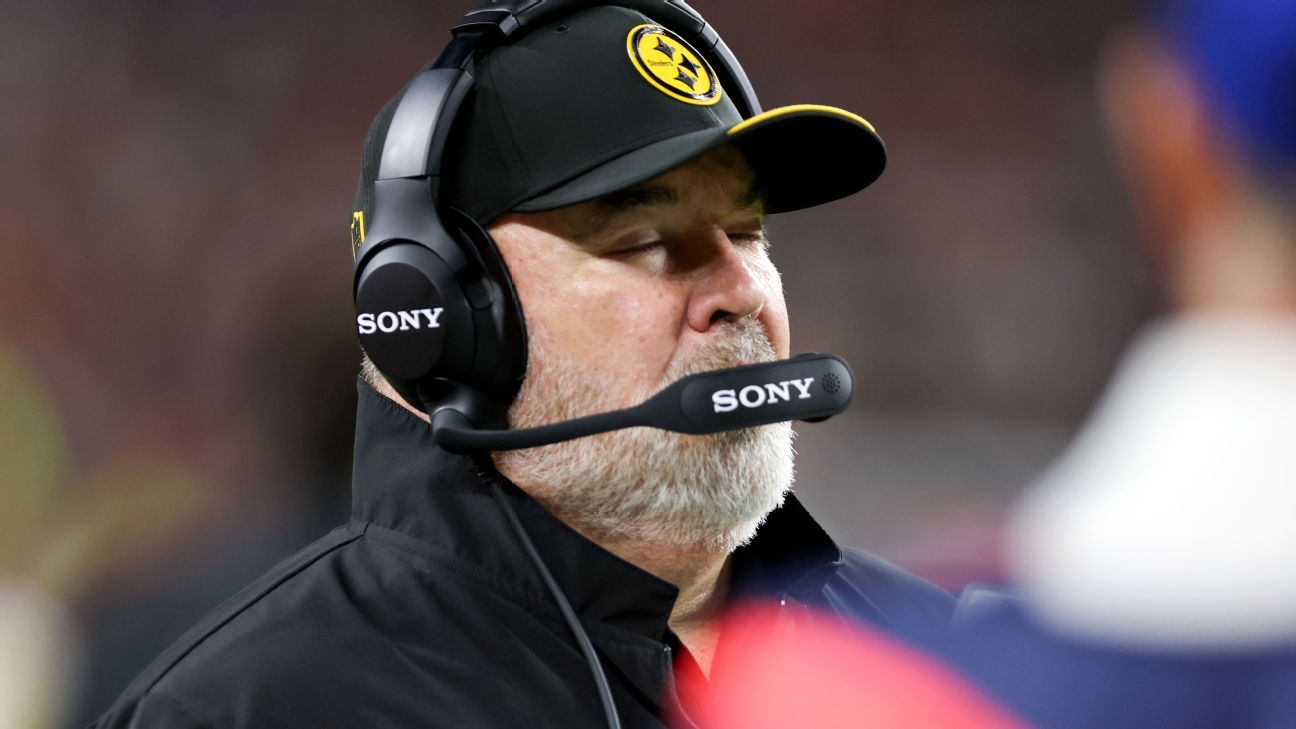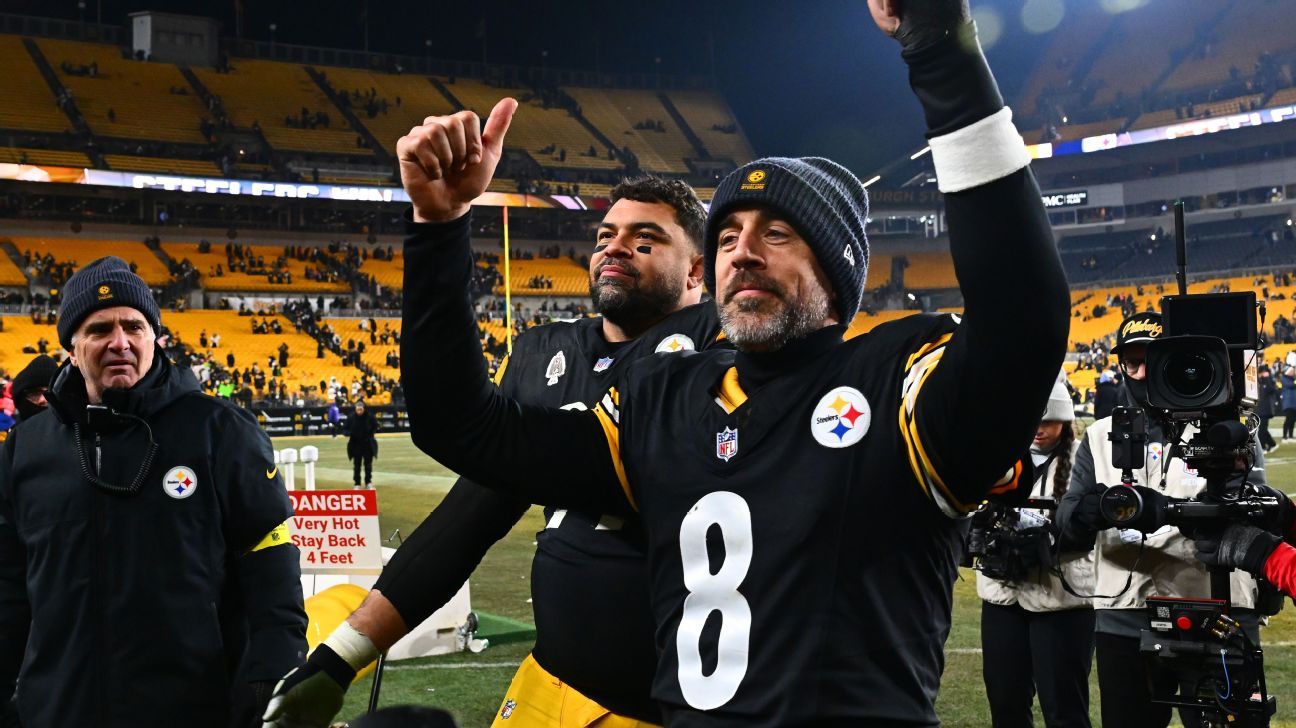
Despite the seismic shift caused by Mike Tomlin’s departure, internal sources suggest the Steelers haven't fully closed the book on a future with Aaron Rodgers.
A Steel City Sequel? Pittsburgh Reportedly Keeping the Door Ajar for Aaron Rodgers in 2026
In the NFL, the bridge between 'never' and 'maybe' is often shorter than fans think. While the Pittsburgh Steelers are currently navigating the turbulent waters of a post-Mike Tomlin era, a tantalizing whisper has emerged from the Steel City: the door remains unlocked for an Aaron Rodgers reunion in 2026. According to league sources, despite the organizational overhaul triggered by Tomlin’s recent resignation, the front office is still internalizing the possibility of the four-time MVP under center for one last ride. This isn't merely speculative chatter; it suggests a deeper consideration within the Steelers' hierarchy, a willingness to entertain unconventional solutions to accelerate their return to Super Bowl contention. The idea of Aaron Rodgers Steelers connection, once a far-fetched fantasy, now carries a faint but discernible pulse.
On the surface, the timing feels like a long shot. The departure of Tomlin—a coach Rodgers has publicly admired for years—removes a primary lure for the veteran quarterback. Tomlin's consistent leadership and ability to extract maximum effort from his teams were undoubtedly attractive to a player like Rodgers, who values stable, winning environments. Furthermore, by the time the 2026 season kicks off, Rodgers will be deep into his 40s, raising significant questions about durability, his ability to withstand the rigors of an NFL season, and the long-term direction of a franchise that might be better suited for a total rebuild under new leadership. The physical demands on a quarterback of his age are immense, and a serious injury could derail not only his season but also the Steelers' aspirations. Yet, the Steelers have built a reputation on stability and a refusal to succumb to the 'tanking' mentality, making a veteran shortcut like Rodgers an intriguing option for a front office that loathes losing. Their history is steeped in winning, and the prospect of a multi-year drought is anathema to the Rooney family's philosophy. The allure of an Aaron Rodgers Steelers partnership, even if brief, speaks to this ingrained desire for immediate competitiveness.
While the logistical hurdles are massive, the allure of the black and gold remains a powerful narrative in Rodgers' late-career odyssey. For Pittsburgh, the interest signals a desire to remain relevant in a hyper-competitive AFC North, even as they transition into a new coaching chapter. The division, perennially one of the toughest in the league, demands elite quarterback play to compete with the likes of Lamar Jackson and Joe Burrow. Whether this is a legitimate contingency plan or merely professional due diligence, one thing is clear: the connection between the future Hall of Famer and one of football's most storied franchises isn't dead just yet. The idea of Aaron Rodgers Steelers in 2026, while a long shot, is not entirely off the table.
The Strategic Rationale: A Short-Term Super Bowl Window?
The Steelers' reported openness to Aaron Rodgers in 2026, despite the obvious age concerns, can be understood through the lens of their organizational philosophy: always compete. Unlike many franchises that embrace a full-scale rebuild after a coaching change or a period of mediocrity, Pittsburgh consistently aims to remain in the playoff hunt. Bringing in a quarterback of Rodgers' caliber, even for a single season or two, could be viewed as a high-stakes, short-term play to open a Super Bowl window.
By 2026, the Steelers' roster could still boast a strong defensive core and a developing offensive line, potentially providing Rodgers with the necessary support. The team's commitment to robust defense and a strong running game has been a hallmark for decades, and these elements could complement Rodgers' precision passing and ability to extend plays. The question then becomes whether a 42-year-old Rodgers can elevate the existing talent around him enough to overcome the AFC's formidable contenders. His unparalleled ability to make throws others can't, coupled with his vast experience in high-pressure situations, could theoretically provide the spark needed. The risk is immense, but the potential reward—another Lombardi Trophy—is the ultimate prize for a franchise that measures success in championships. The thought of Aaron Rodgers Steelers in a Super Bowl run, however fleeting, is a powerful motivator for the front office.
The Post-Tomlin Landscape and Rodgers' Fit
The departure of Mike Tomlin undeniably alters the calculus for any potential Aaron Rodgers Steelers scenario. Tomlin's reputation for managing strong personalities and consistently fielding competitive teams was a significant draw. However, the new coaching staff, whoever they may be, will likely inherit a roster with foundational pieces and a culture of winning. The key question for Rodgers, and for the Steelers, would be how well he integrates into a new system under a new head coach.
Rodgers has historically thrived in offenses that grant him significant autonomy at the line of scrimmage, allowing him to audible and exploit defensive weaknesses. A new Steelers offensive coordinator would need to be willing to tailor their scheme to his strengths, rather than forcing him into a rigid system. Furthermore, the locker room dynamic would be critical. Rodgers, known for his intense competitiveness and sometimes outspoken nature, would be joining a team in transition. His leadership, if embraced, could be invaluable, but any friction could prove disastrous. The Steelers' locker room has traditionally been a tight-knit group, and a veteran quarterback of Rodgers' stature would need to seamlessly integrate. The prospect of Aaron Rodgers Steelers is not just about talent; it's about chemistry and philosophical alignment in a new era for the franchise. The success of such a move would hinge on a careful evaluation of his fit not just with the scheme, but with the entire organizational culture post-Tomlin.
Stay informed
Follow SportsNow.
Join the reader list for future briefings and important newsroom updates.
Reader conversation
Your take on the story
Stay with the story
Related coverage
Open desk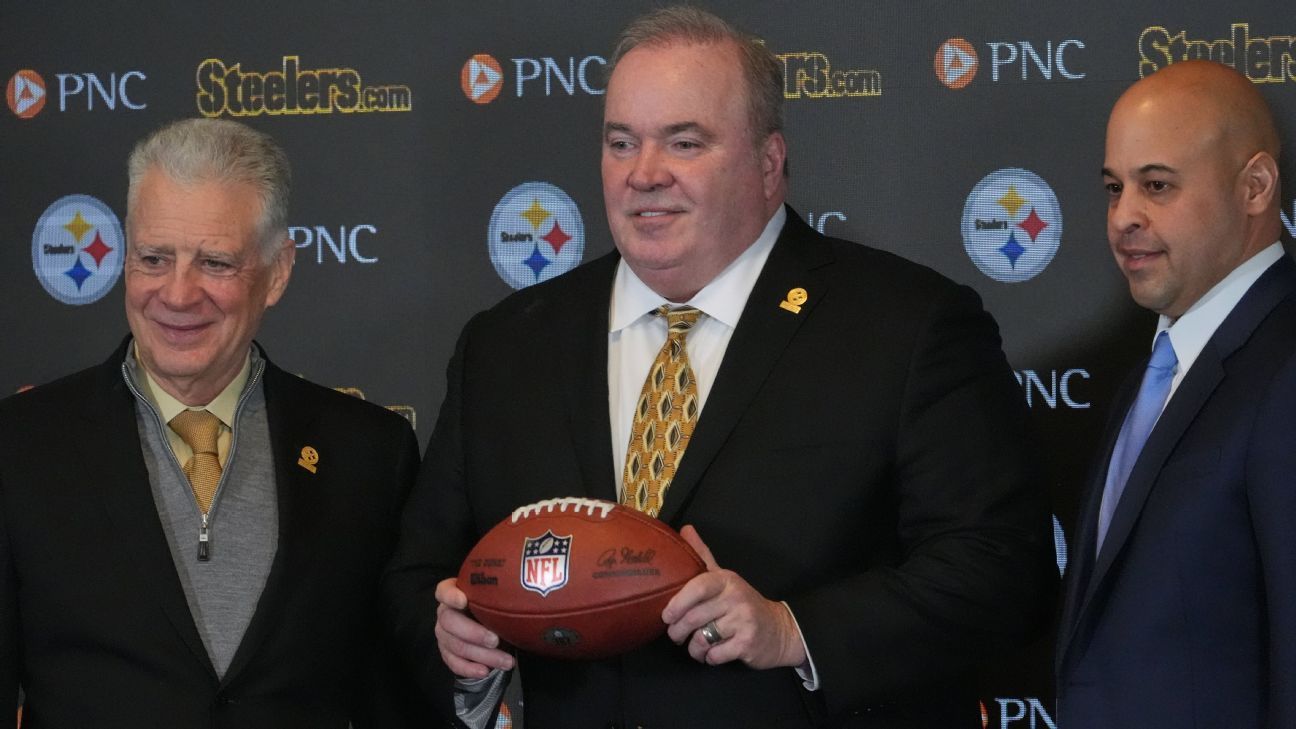
Mike McCarthy Confirms He Wants Aaron Rodgers to Return to Steelers in 2026
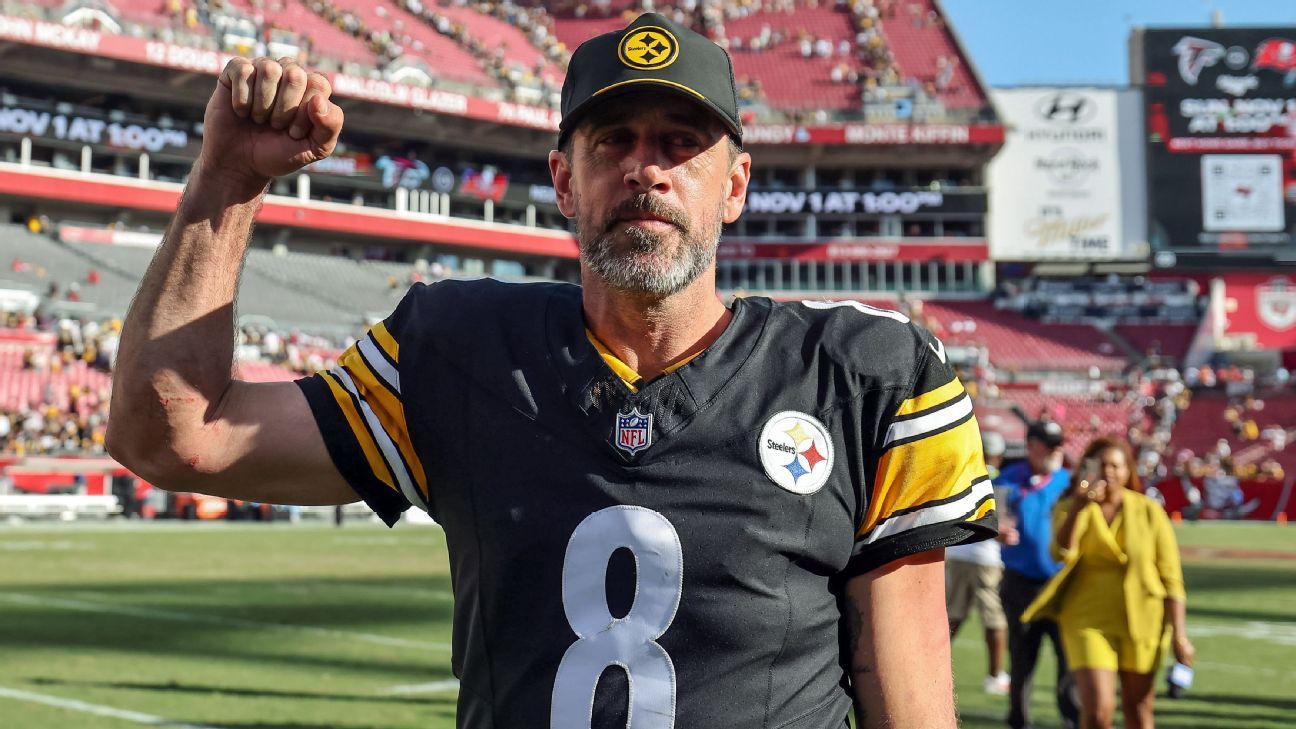
Aaron Rodgers Ties Peyton Manning on All-Time Passing TD List in Steelers OT Win