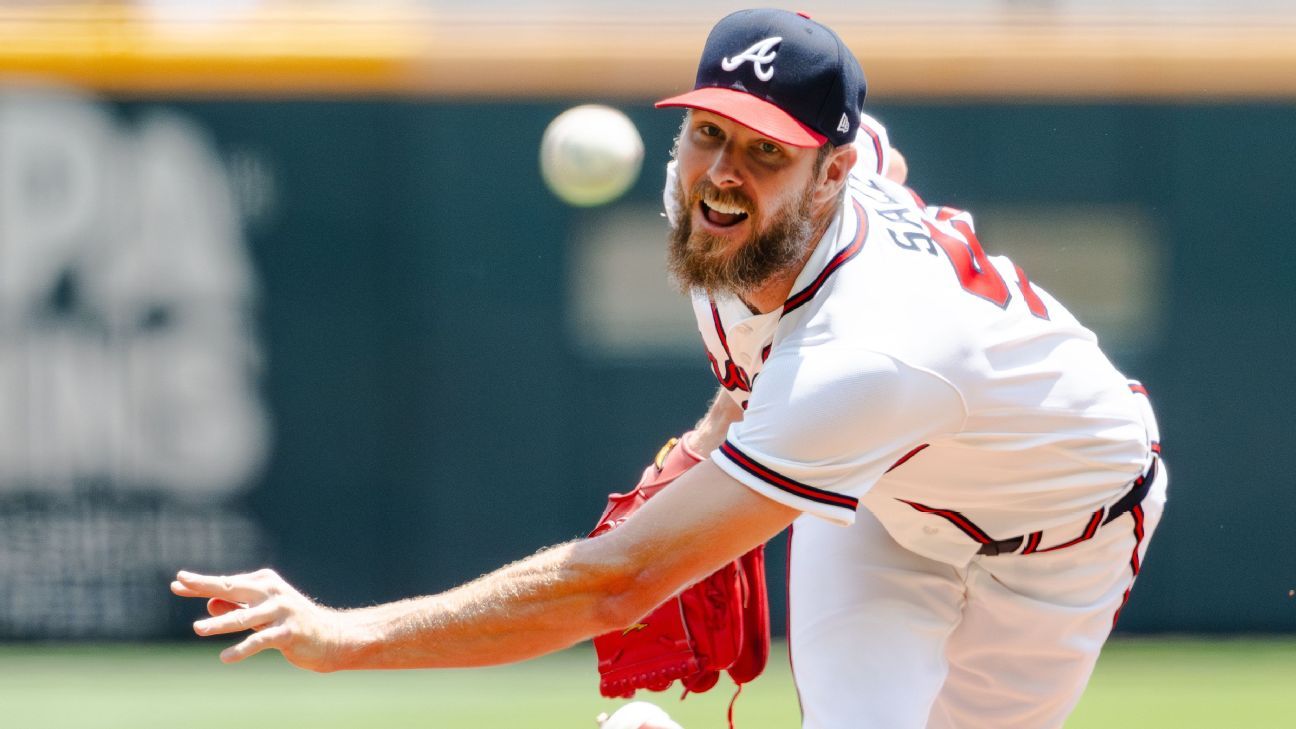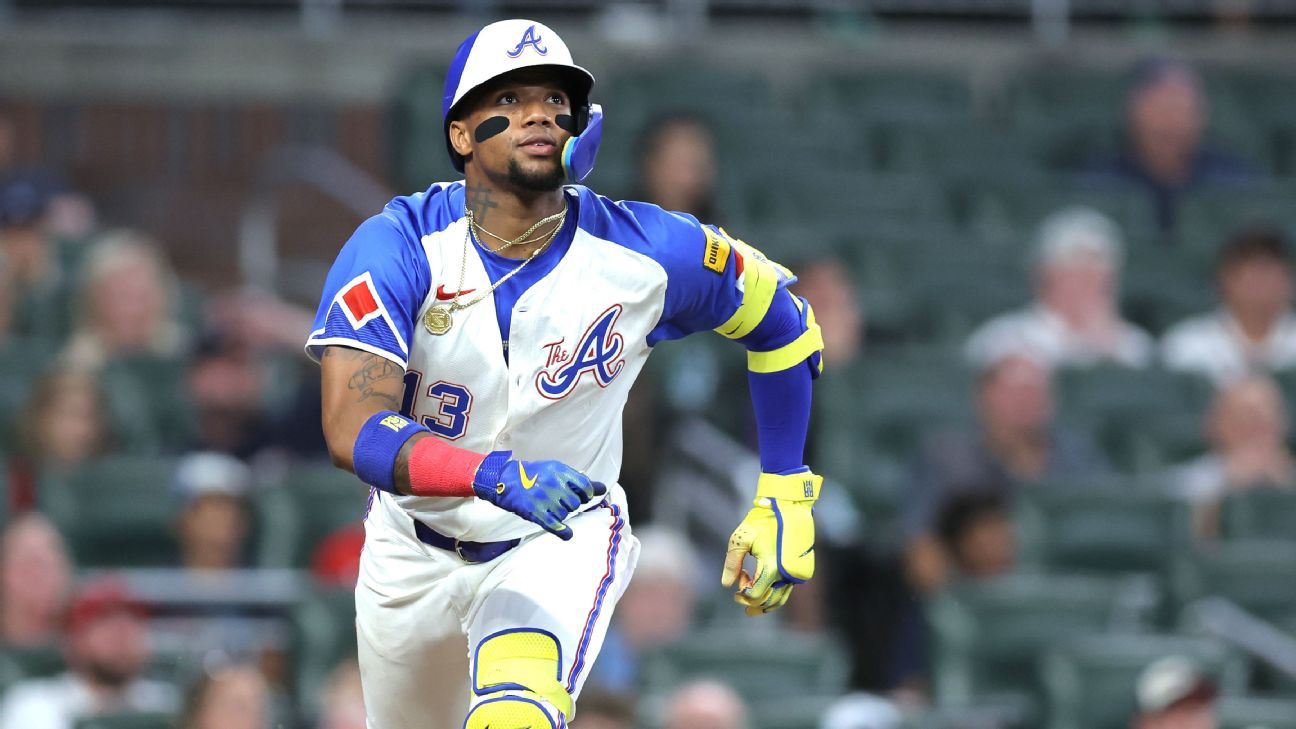
The Atlanta Braves will transition to BravesVision television home in 2026, overseeing production and sales for more than 140 annual matchups.
The Atlanta Braves officially announced on Tuesday the establishment of BravesVision, a proprietary media entity that will control local broadcast rights for more than 140 regular-season games beginning in 2026. This internal division is tasked with managing every facet of the telecasts, including live production, advertising sales, marketing initiatives, and regional distribution. By choosing an independent trajectory, the organization declined an offer to have Major League Baseball oversee its broadcast operations, a path recently taken by several other franchises. The decision follows a period of financial instability involving the Main Street Sports Group, which failed to meet contractual payment obligations to the club.
During the current 2024 transition period, the landscape of baseball broadcasting is undergoing a massive realignment. On February 2, six specific organizations—the Cincinnati Reds, Kansas City Royals, Miami Marlins, Milwaukee Brewers, St. Louis Cardinals, and Tampa Bay Rays—confirmed that MLB would take over their local production. These clubs, along with the Braves, Detroit Tigers, and Los Angeles Angels, moved to terminate previous agreements after the aforementioned media group defaulted on rights fees. As a result, the league's centralized production arm is now responsible for at least 13 teams, a list that grew during the recent offseason to include the Seattle Mariners and Washington Nationals.
President and CEO Derek Schiller emphasized that this shift allows the franchise to reclaim total authority over its visual product. This strategy mirrors the historical era when the team was a staple of TBS, a network that shared common ownership with baseball operations. Schiller noted that direct oversight enables the club to implement innovative presentation styles and enhance storytelling across all digital and linear platforms. While 13 other MLB teams have opted for a league-led model to mitigate financial risks, the Braves are betting on a self-contained infrastructure to drive long-term revenue.
To ensure maximum reach, the front office is currently engaged in negotiations with a variety of cable providers, satellite operators, and streaming platforms. Fans will be able to view games through MLB’s existing direct-to-consumer service, providing a digital alternative to traditional television packages. Furthermore, a specific portion of the regular-season schedule will be aired for free via Gray Media’s network of stations, targeting viewers in Atlanta and across the broader Southeast region. This partnership is already active, as the broadcaster is currently televising 15 spring training matchups to provide immediate access during the preseason.
The financial implications are significant, as the Braves will now assume the full risk and reward of their commercial inventory. By handling their own ad sales, the team removes the middleman that previously dictated the valuation of local media spots. This vertical integration is designed to protect the franchise from the volatility that saw multiple clubs lose guaranteed income when regional sports networks faced bankruptcy. The Braves' strategy is unique among the organizations that recently exited their previous contracts, as the Tigers and Angels have not yet committed to a similar self-operated model for the 2026 season.
Logistically, the launch requires the assembly of a full-scale department capable of handling high-definition live sports production for six months of the year. This includes hiring technical crews, on-air talent, and support staff to maintain quality standards. The organization intends to use this platform to integrate more deeply with existing social media and stadium entertainment assets, creating a unified brand experience. The move represents a return to the "superstation" philosophy, albeit updated for a modern era of fragmented media consumption.
As the 2026 start date approaches, the Braves will continue to refine the technical specifications of their new network. The goal is to provide a seamless transition for viewers while offering enhanced features such as advanced statistical overlays and exclusive behind-the-scenes content. By controlling the distribution pipeline, the club can tailor its schedule to better serve local markets that may have been underserved by previous carriage agreements. This localized focus aims to solidify the team's presence as the primary sports brand in the Southern United States.
In the broader context of Major League Baseball, this move is being watched closely by other high-market teams considering similar independence. If successful, the internal production model could serve as a blueprint for franchises looking to bypass both struggling regional networks and centralized league management. The ability to monetize 140 games per year through a dedicated internal sales team provides a level of fiscal autonomy that few other clubs currently possess. The Atlanta Braves have positioned themselves to navigate the future of sports broadcasting on their own terms, prioritizing direct fan access.
Stay informed
Follow SportsNow.
Join the reader list for future briefings and important newsroom updates.
Reader conversation
Your take on the story
Stay with the story