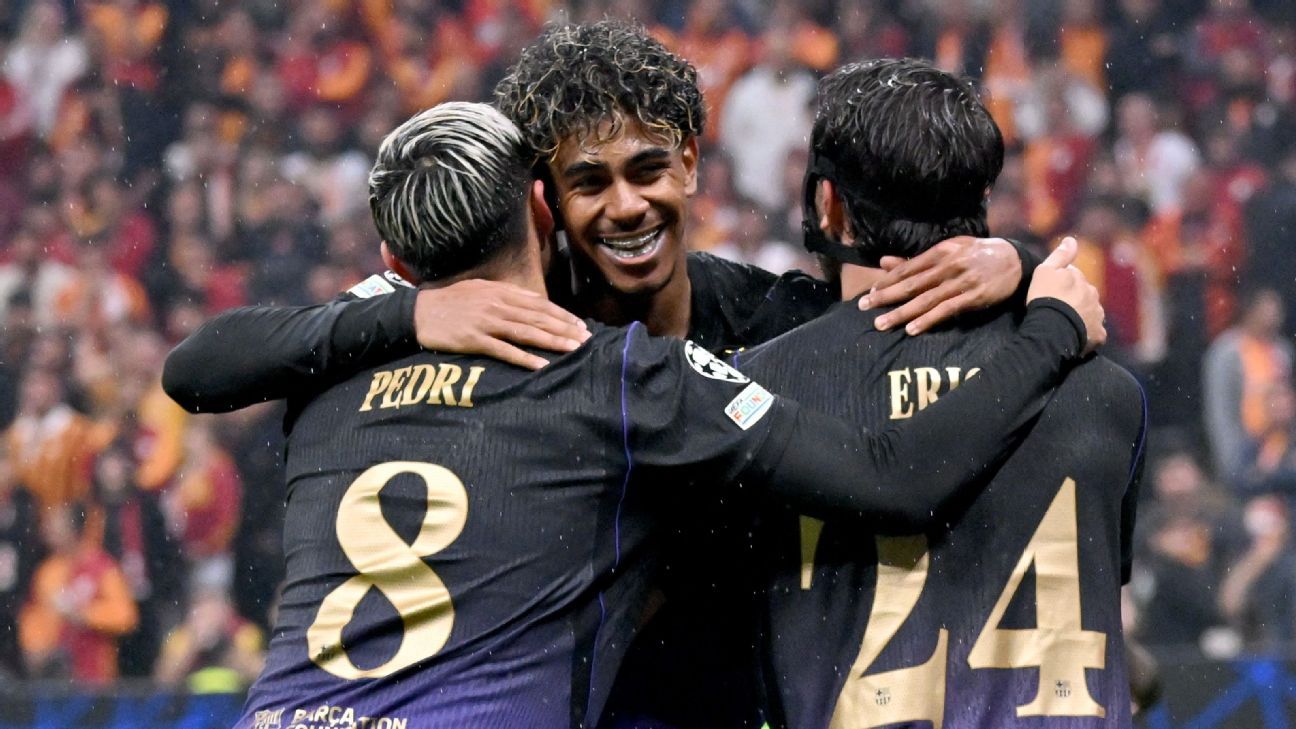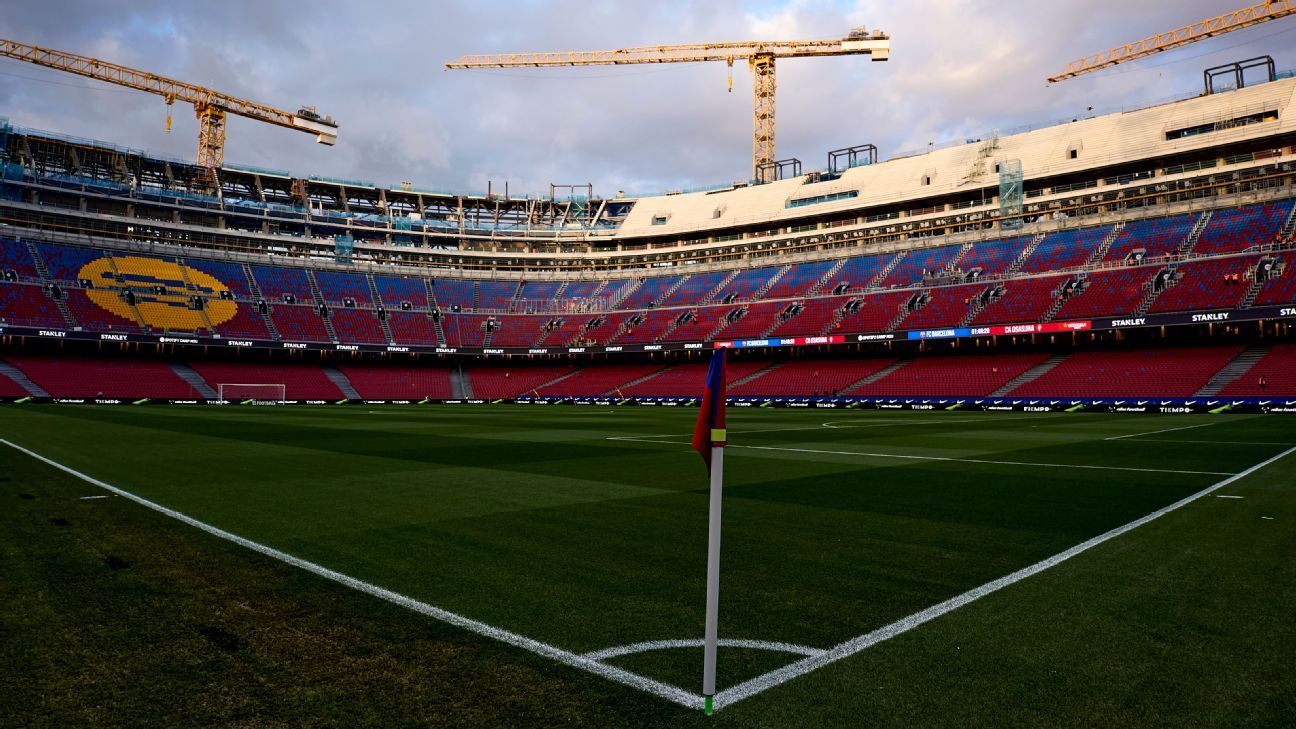
FC Barcelona has officially announced its withdrawal from the European Super League, marking a potential end for the controversial breakaway project.
In a move that sends shockwaves across the global football landscape, FC Barcelona has officially confirmed its departure from the European Super League (ESL). The Barcelona Super League withdrawal marks a definitive turning point for a project that has been mired in controversy, legal battles, and public outcry since its inception in April 2021. Once one of the project's most staunch defenders alongside Real Madrid, the Catalan giants have finally decided to distance themselves from the breakaway competition, leaving the future of the ESL in a state of extreme uncertainty.
For years, Barcelona’s leadership viewed the Super League as a financial lifeline. Facing billion-euro debts and strict La Liga salary caps, the club saw the promised windfall from the ESL as a way to reclaim its status as a global powerhouse. However, the political and social pressure, combined with a shifting legal landscape, has finally forced the board’s hand. This decision is not just a sporting one; it is a calculated move to realign with the European Club Association (ECA) and repair fractured relationships with UEFA.
The Financial Implications of the Barcelona Super League Withdrawal
The primary driver behind Barcelona’s initial commitment to the Super League was undoubtedly financial. The club has spent the last several seasons pulling 'economic levers'—selling off percentages of future TV rights and internal media production wings—just to register new signings. The Super League, backed by JP Morgan, promised an immediate injection of capital that would have wiped out a significant portion of the club's debt.
By finalizing the Barcelona Super League withdrawal, the club is essentially admitting that the legal path to those riches is too long and too risky. While the European Court of Justice recently ruled that UEFA and FIFA had acted unlawfully by blocking the league, the ruling did not necessarily greenlight the ESL's specific format. Barcelona’s exit suggests they no longer believe the project can deliver the financial salvation it once promised. Instead, the club will now have to rely on traditional revenue streams, improved Champions League distributions, and the hope that the renovated Spotify Camp Nou will provide the necessary matchday income to stabilize their books.
A Shift in European Football Politics
The Barcelona Super League withdrawal represents a massive victory for UEFA President Aleksander Čeferin. For over three years, Čeferin has engaged in a public war of words with the architects of the ESL, labeling them 'snakes' and 'liars.' With Barcelona now following the path of the Premier League 'Big Six,' the German giants, and the top Italian clubs, Real Madrid stands almost entirely alone in its pursuit of the breakaway competition.
This move signals a desire for Barcelona to return to the 'European family.' By exiting the ESL, President Joan Laporta is likely looking to secure a seat back at the table of the ECA, currently led by PSG’s Nasser Al-Khelaifi. Being on the outside of these governing bodies has hurt Barcelona’s influence in discussions regarding Financial Fair Play (FFP) and calendar congestion. Rejoining the mainstream allows the club to advocate for its interests from within the system rather than throwing stones from the outside.
Fan Reaction and the Identity of the Club
For many 'Culers,' the Barcelona Super League withdrawal is a relief. The club’s motto, 'Més que un club' (More than a club), felt increasingly hollow to many supporters while the board was pursuing a closed-shop league that excluded the meritocracy of traditional European competition. The backlash from fan groups across Europe was a major factor in the initial collapse of the ESL in 2021, and while Barcelona fans were perhaps more sympathetic to the club's financial plight than most, there was a growing sense of unease about abandoning the Champions League.
Local supporters often prioritize the rivalry with other Spanish clubs and the prestige of the historic European nights at the Camp Nou. A league that felt like a sanitized, American-style franchise model didn't sit well with the traditionalists. By withdrawing, the board is effectively listening to the pulse of the global fanbase, which has largely rejected the idea of a breakaway. It also helps the club avoid potential sanctions or bans from domestic and international competitions that were constantly being threatened by football’s governing bodies.
What Happens Next for the Super League?
With the Barcelona Super League withdrawal official, the project is effectively on life support. A league cannot exist with only one or two marquee names. While A22 Sports Management—the company behind the ESL—continues to propose new formats involving multiple tiers and free streaming services, the lack of institutional support from Europe’s biggest clubs makes it a hard sell to broadcasters and sponsors.
Real Madrid president Florentino Pérez remains the sole visionary left standing, but without his Clásico rivals, the commercial appeal of the ESL drops significantly. For the rest of the football world, this marks a time for reflection. The grievances that led to the ESL—the need for better revenue sharing and a more sustainable calendar—remain real. However, the solution will now almost certainly be found within the framework of UEFA rather than through a radical departure. Barcelona’s exit might just be the final nail in the coffin for the most controversial idea in modern sports history.
Stay informed
Follow SportsNow.
Join the reader list for future briefings and important newsroom updates.
Reader conversation
Your take on the story
Stay with the story
Related coverage
Open desk
PSG Overcomes Barcelona 4-2 as Dembélé and Kvaratskhelia Exit with Injuries
PSG and Barcelona Top Champions League Power Rankings Before Matchday 3