Hall of Fame second baseman Bill Mazeroski, who hit the only Game 7 walk-off home run in World Series history, died Friday at age 89.
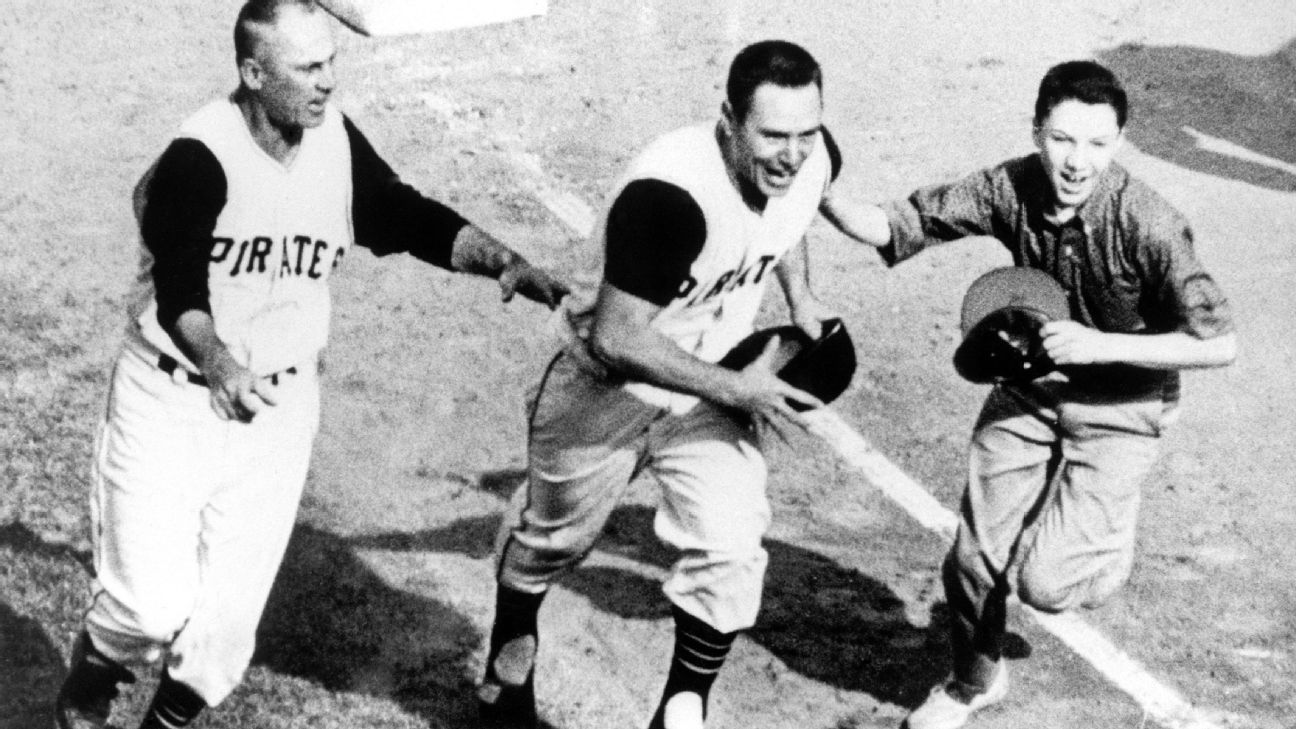
Bill Mazeroski, the Pittsburgh Pirates second baseman who ended the 1960 World Series with a historic Game 7 walk-off home run, died Friday at the age of 89. The Hall of Fame infielder passed away following a career defined by eight Gold Glove awards and a major league record 1,706 double plays. His signature moment occurred at 3:36 p.m. on Saturday, Oct. 13, 1960, at Forbes Field, when he broke a 9-9 tie in the bottom of the ninth inning. Facing right-hander Ralph Terry, Mazeroski took a high fastball for a ball before driving a slider over the ivy-covered left-field wall. This blast secured a 10-9 victory and the championship for Pittsburgh, marking the first time a World Series concluded on a home run. Following the news of the Bill Mazeroski death, Pirates chairman Bob Nutting praised the legend as a humble and gracious figure whose name remains synonymous with the franchise's most iconic triumph.
The 1960 World Series Statistical Anomalies
The 1960 Fall Classic remains one of the most statistically lopsided matchups in MLB history, as the New York Yankees outscored the Pirates 55-27 across seven games. In their three victories, the Yankees dominated by a combined score of 38-3, led by Mickey Mantle, Roger Maris, and ace Whitey Ford, who pitched 33⅔ consecutive scoreless innings. Despite the loss, Yankees second baseman Bobby Richardson earned Series MVP honors after driving in a record 12 runs. Pittsburgh relied on a roster featuring Roberto Clemente, Dick Groat, Bob Skinner, and pitchers Vernon Law and Bob Friend. Mazeroski provided critical offense throughout the series, including a two-run home run off Jim Coates in a 6-4 Game 1 win and a two-run double against Art Ditmar during a 5-2 Game 5 victory.
In the decisive seventh game, 36,000 fans watched as the lead fluctuated wildly. Pittsburgh jumped to a 4-0 lead before the Yankees rallied to go ahead 7-4 by the eighth inning. A five-run outburst in the bottom of the eighth, aided by a bad-hop grounder that struck shortstop Tony Kubek in the throat, put the Pirates back on top. New York tied the game at 9 in the top of the ninth, setting the stage for Mazeroski’s lead-off plate appearance against Terry. The West Virginia native, who entered the game with a .273 season average, famously waved his cap while rounding the bases as fans rushed the field to join his celebration.
Defensive Wizardry and Hall of Fame Credentials
Elected to the National Baseball Hall of Fame by the Veterans Committee in 2001, Mazeroski was celebrated primarily for his glove. Known by the nickname "No Hands" for his rapid transition on double plays, he led the National League in assists for second basemen nine times. Statistician Bill James cited him as the greatest defensive player at his position by a significant margin. Over a 17-year career spent entirely with the Pirates, Mazeroski maintained a .260 lifetime batting average with 138 home runs, 27 stolen bases, and a .299 on-base percentage. Though he never reached 100 RBIs or 100 runs in a single season, his plaque in Cooperstown highlights his "hard-nosed hustle" and "quiet work ethic."
During his 2001 induction speech, Mazeroski advocated for the value of run prevention, stating that defense deserves as much credit as pitching. His defensive prowess was a cornerstone of the 1971 Pirates team as well, where he served as a veteran leader alongside Willie Stargell during their World Series win over the Baltimore Orioles. The Pirates honored his contributions by retiring his uniform number, 9, in 1987. In 2010, the club unveiled a 14-foot, 2,000-pound statue on Bill Mazeroski Way to commemorate the 50th anniversary of his championship-winning hit.
Life Beyond the Forbes Field Walls
Born William Stanley Mazeroski in Wheeling, West Virginia, during the Great Depression, the future star grew up in eastern Ohio. He lived in a one-room home lacking electricity and indoor plumbing, practicing his fielding by bouncing tennis balls against a brick wall with his father, Louis. Although he excelled in football and basketball, the Pirates signed him as a 17-year-old shortstop in 1954. He transitioned to second base by his 1956 rookie season. Off the field, he met his wife, Milene Nicholson, while she was working in the Pirates' front office; they married in 1958 and had two sons.
The impact of his 1960 home run extended far beyond the box score, causing Yankees manager Casey Stengel to be fired five days later. Pirates co-owner Bing Crosby was so nervous during Game 7 that he listened to the shortwave radio broadcast from an apartment in Paris. After retiring as a player in 1972, Mazeroski remained in the game as a coach for the Pirates and Seattle Mariners, later serving as an infield instructor during spring training. Since the 1980s, fans have continued to gather every October 13 at the remaining center-field wall of the demolished Forbes Field to listen to the original broadcast of his legendary ninth-inning plate appearance.
Stay informed
Follow SportsNow.
Join the reader list for future briefings and important newsroom updates.
Reader conversation
Your take on the story
Stay with the story
Related coverage
Open desk
Fred Claire, GM of 1988 World Series Champion Dodgers, Dies at 91
Brewers Sweep Dodgers to Secure First World Series Berth in 44 Years