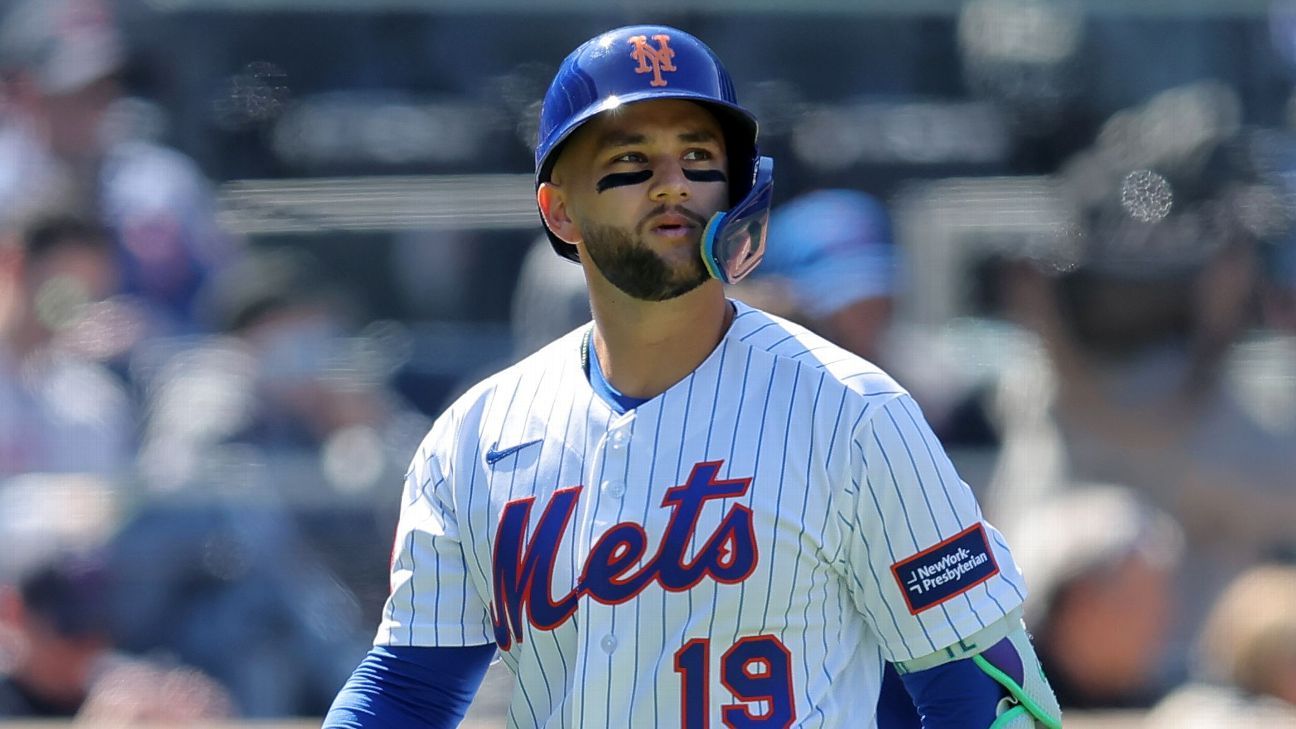
Shortstop Bo Bichette recorded eight strikeouts across his first three appearances, leading to a vocal response from the home crowd.
Bo Bichette strikeouts reached a total of eight across his first three games, a statistical slump that triggered audible frustration from the Mets fan base. The shortstop struggled to find his rhythm at the plate during this opening stretch, resulting in a high frequency of empty swings and called strikes. This early-season difficulty culminated in a series of boos directed at the infielder as he exited the batter's box throughout the three-game span. The specific count of eight punchouts over such a brief window represents a significant deviation from expected contact rates for a player of his caliber.
Addressing the performance following the third game, Bichette did not shy away from the criticism regarding his recent form. "I thought my at-bats were terrible, too," the player stated, acknowledging that his personal assessment aligned with the negative reaction from the spectators. This self-critique highlights a recognition of the mechanical or timing issues that led to the high volume of whiffs. The shortstop’s blunt honesty regarding his 0-for-3 or 0-for-4 outings underscores the pressure of performing in a high-stakes environment like Queens.
The frequency of these strikeouts—averaging nearly 2.7 per game—stalled offensive momentum during his specific plate appearances. Mets fans expressed their dissatisfaction with the lack of contact, marking the first time the player has heard such a reaction from the local crowd. While the season is in its infancy, the mounting strikeout total has placed Bichette under immediate scrutiny. The transition into the lineup has been met with resistance due to these specific statistical outcomes, forcing a reevaluation of his current approach against major league pitching.
Maintaining a high strikeout-to-at-bat ratio often forces changes in approach, especially when the home audience becomes vocal about the lack of production. Bichette’s focus remains on moving past this initial three-game window where the eight strikeouts became the defining metric of his contribution. The vocal disapproval from the stands serves as a benchmark for the expectations placed upon him as he seeks to improve his contact rate in upcoming matchups. Every missed swing added to the mounting tension within the stadium, creating a hostile atmosphere for the struggling hitter.
Statistical analysis of the three-game stretch reveals a pattern of chasing pitches outside the zone, which contributed heavily to the eight K's recorded. The infielder's inability to put the ball in play during critical counts left runners stranded and limited the team's scoring potential. This lack of productivity was the primary catalyst for the boos that rained down from the upper decks and field-level seats alike. The player's admission that his own performance was subpar serves as a starting point for the necessary adjustments required to regain his previous offensive form.
Looking ahead, the shortstop must reconcile his aggressive hitting style with the need for better plate discipline to avoid repeating this three-game trend. The eight strikeouts are now a matter of record, serving as a motivation for the infielder to refine his swing path. As the team moves into the next series, the focus will be on whether Bichette can silence the critics by making consistent contact and reducing the high number of empty trips to the plate. The early season boos act as a reminder of the thin margin for error in professional baseball.
Stay informed
Follow SportsNow.
Join the reader list for future briefings and important newsroom updates.
Reader conversation
Your take on the story
Stay with the story