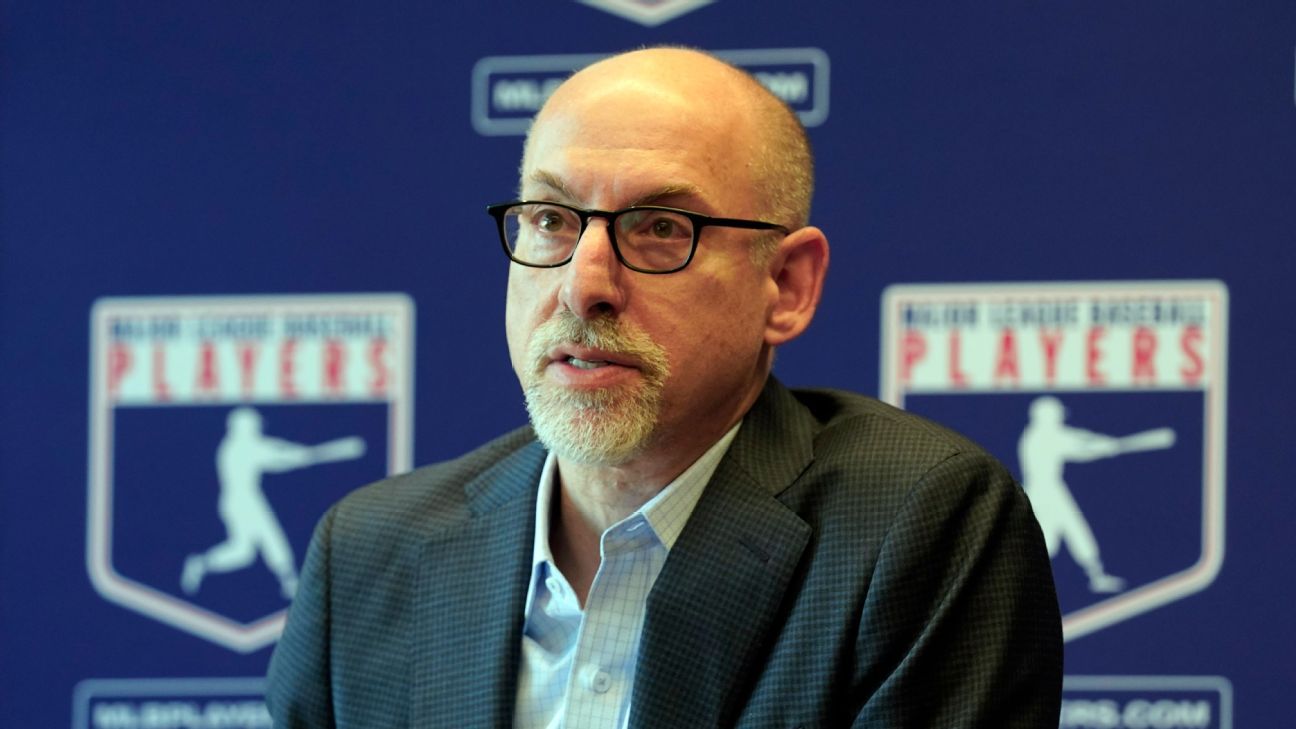
Deputy executive director Bruce Meyer confirms that the MLBPA remains focused on upcoming labor negotiations despite the sudden departure of executive director Tony Clark.
Executive director Tony Clark has officially resigned from his position as the head of the Major League Baseball Players Association, leaving a vacancy at the top of the union's hierarchy. This departure occurs as the organization enters a critical phase of preparation for the next round of collective bargaining. Deputy executive director Bruce Meyer confirmed the exit, asserting that the internal shift will not compromise the group's ability to represent its membership effectively during the MLBPA leadership transition. The union is now tasked with maintaining its administrative momentum while searching for a permanent successor to oversee its daily operations and long-term legal strategies.
Bruce Meyer emphasized that the structural integrity of the players' association remains intact despite the loss of its primary spokesperson. He noted that the professional staff and legal advisors are continuing their work on labor issues without interruption. The deputy director’s public statements aim to reassure the 1,200 active players that their interests are being protected by a seasoned team of negotiators. By addressing the resignation immediately, the association seeks to prevent any speculation regarding a lack of direction or internal instability during this period of high-stakes sports labor relations.
The focus of the remaining leadership is centered on the expiration of the current labor agreement. Meyer stated that the strategic planning for future talks is already well underway, involving detailed economic analysis and player feedback sessions. The union's objective is to secure improved terms regarding service time, minimum salaries, and luxury tax thresholds. These specific financial goals remain the priority for the staff, who are operating under the premise that the executive vacancy is a manageable administrative hurdle rather than a systemic failure. The timeline for these preparations has not been altered by the recent personnel changes.
Internal communications within the MLBPA suggest that the transition is being handled with a focus on continuity. Meyer has taken on an expanded role to ensure that the union’s various committees remain active and informed. This includes regular briefings with the player representatives from all 30 Major League clubs to gather consensus on bargaining priorities. The association is utilizing its existing framework to distribute information and maintain a unified front against the league's ownership group. Such coordination is vital for ensuring that the players do not lose leverage during the transition of power at the executive level.
Legal experts within the union are currently reviewing the bylaws to determine the exact process for appointing an interim or permanent replacement for Clark. While this search continues, the day-to-day management of the MLBPA falls to the deputy directors and the executive board. Meyer’s role is to bridge the gap between the outgoing administration and the future leadership, ensuring that no institutional knowledge is lost. The organization’s commitment to its core mission—protecting the rights and economic welfare of professional baseball players—remains the guiding principle during this administrative overhaul. Every effort is being made to project strength and preparedness to the Commissioner’s Office.
As the union moves forward, the emphasis remains on the technical aspects of labor law and the specific data required for successful negotiations. The MLBPA is investing resources into market research and revenue tracking to bolster its position at the bargaining table. Meyer maintains that the group is fully equipped to handle the complexities of the modern sports economy, regardless of who holds the title of executive director. The resilience of the union’s infrastructure is being tested, but the leadership expresses confidence that the current strategy will yield positive results for the membership. This period of change serves as a catalyst for refining the association's approach to collective bargaining in an evolving professional landscape.
Stay informed
Follow SportsNow.
Join the reader list for future briefings and important newsroom updates.
Reader conversation