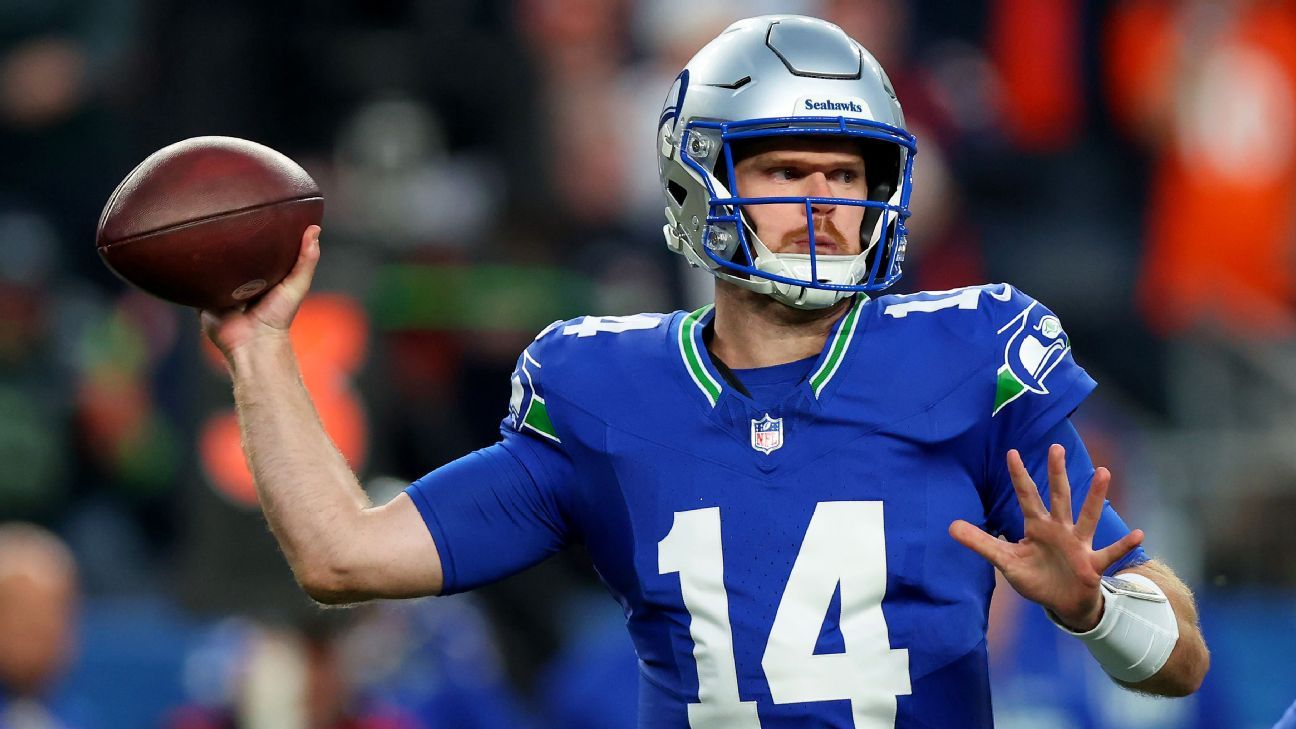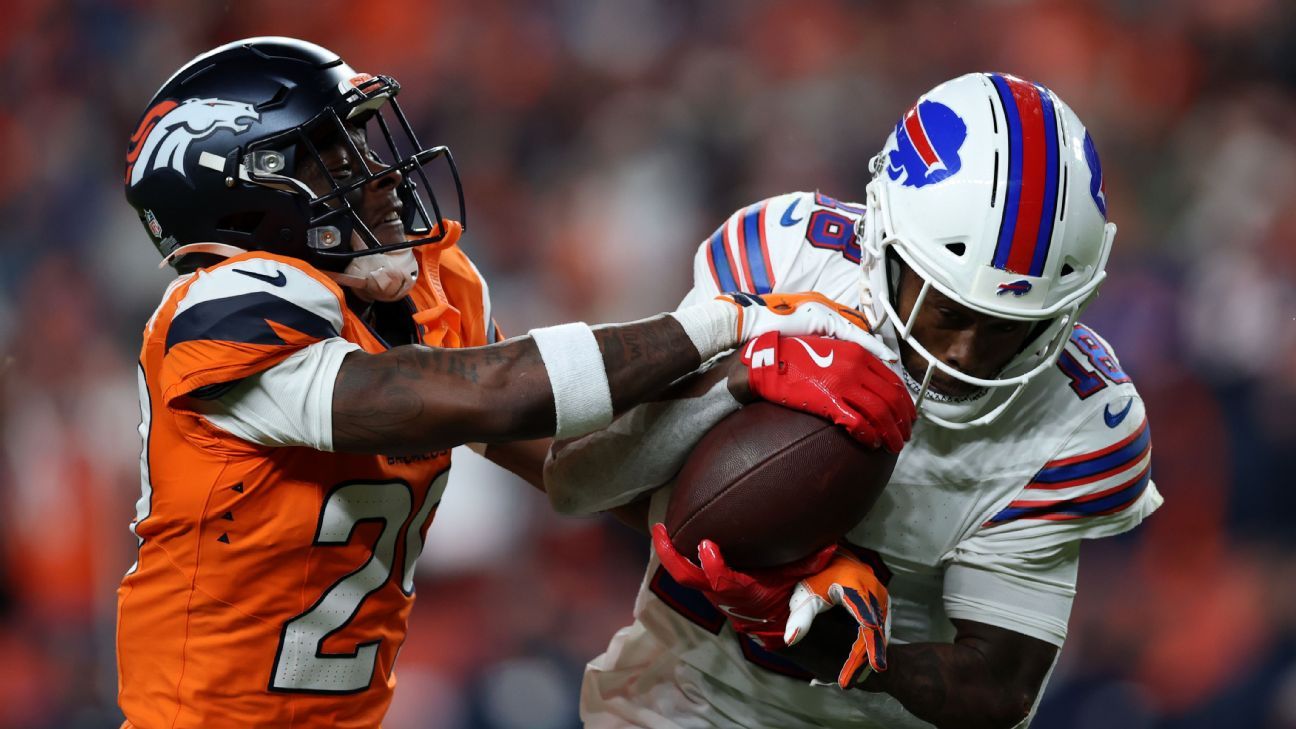
A series of critical, controversial officiating decisions took center stage on Saturday as the Broncos edged out the Bills in a game defined by the league's ambiguous rulebook.
Title: Chaos in the Mile High: How Officiating Blurred the Lines in Broncos' Gritty Win Over Buffalo Category: NFL
In the high-altitude pressure cooker of Denver, the scoreboard told one story, but the officiating told another. In what should have been a narrative about gridiron grit and playoff implications, the Denver Broncos’ victory over the Buffalo Bills was instead haunted by the perennial ghost of NFL officiating. For four quarters, players and fans alike were left wondering exactly where the line is drawn between a game-changing play and a walk-back by the zebras. This latest NFL officiating controversy cast a long shadow over an otherwise compelling matchup.
The most glaring points of contention centered on the league’s most elusive definitions: what constitutes a catch and when does physical defense become a foul? A critical late-game reception by the Bills, which appeared to be a textbook example of possession and control, only to be dismantled upon review, leaving the Denver crowd in a frenzy and the Buffalo sideline in a state of disbelief. The ball, seemingly secured, was ruled incomplete after a lengthy video review, a decision that swung momentum dramatically and directly impacted the final score. This specific instance fueled the ongoing debate about the subjective nature of the "catch rule" and its impact on high-stakes games. The inconsistency in these calls didn't just stall momentum; it fundamentally altered the tactical approach of both coaching staffs, forcing them to play conservatively rather than aggressively, fearing an unpredictable whistle.
Down in the trenches and across the secondary, the officiating crew’s whistle seemed to oscillate between total silence and extreme sensitivity. Defensive backs were left playing a guessing game as to how much hand-fighting would be tolerated, leading to moments of frustration and confusion. One moment, a clear hold went uncalled, and the next, a seemingly innocuous touch resulted in a costly flag. This unpredictable application of rules created a volatile environment where players were hesitant to play with their usual intensity, fearing an arbitrary penalty. While the Broncos were able to capitalize on the chaos to secure a narrow win, the post-game chatter wasn't about the quarterback play or special teams heroics. Instead, it was a familiar lament about the “gray areas” of the NFL rulebook that continue to overshadow the athletes on the field, highlighting a persistent NFL officiating controversy.
As the league moves closer to the postseason, the fallout from Saturday’s contest serves as a stark reminder of the league's officiating crisis. When the definition of a catch remains a moving target and pass interference is called with the toss of a coin, the integrity of the results will always be under fire. Denver walks away with the 'W,' but the Bills—and the sport's fans—are left searching for answers in a rulebook that feels increasingly open to interpretation. The implications of such inconsistent calls extend far beyond a single game, potentially impacting playoff seeding and the careers of players and coaches.
The Ripple Effect: Beyond the Scoreboard
The immediate impact of questionable calls is clear: points are gained or lost, and games are won or lost. However, the ripple effect of an NFL officiating controversy extends much further. For the Buffalo Bills, this loss could have significant playoff implications, potentially costing them home-field advantage or even a postseason berth in a tightly contested AFC. For the players, the mental toll of having a game-changing play overturned or a crucial penalty called against them can be immense. It erodes trust in the system and can lead to a sense of injustice, regardless of the outcome. Coaches, too, are put in an impossible position, forced to adapt their strategies on the fly to an unpredictable officiating standard, rather than focusing purely on their opponent. This can stifle creativity and lead to more conservative play, ultimately detracting from the excitement and flow of the game for spectators. The constant questioning of calls also dominates post-game analysis, shifting the narrative away from athletic prowess and strategic brilliance towards the perceived shortcomings of the officiating crew, diminishing the achievements of the winning team.
A Call for Clarity: The Integrity of the Game
The recurring nature of these officiating debates, particularly surrounding subjective rules like the catch and pass interference, poses a significant threat to the integrity of the NFL. Fans invest heavily, both emotionally and financially, in the sport, and when the outcomes feel arbitrary or influenced by inconsistent interpretations, that investment can wane. The league has made attempts to clarify rules and streamline the review process, but the issues persist, suggesting that the problem might be deeper than just a few ambiguous phrases in the rulebook. Perhaps a more fundamental re-evaluation of certain rules is needed, or a greater emphasis on training and accountability for officials. The goal should be to minimize human error and subjective interpretation as much as possible, allowing the athletes to truly decide the outcome on the field. Without a clear and consistently applied set of rules, every close game risks being overshadowed by an NFL officiating controversy, ultimately harming the product and the league's reputation. The passion of the fanbase is a powerful asset, but it can quickly turn to frustration when the game they love feels compromised by factors outside the players' control.
The Perpetual Debate: Technology vs. Human Element
The discussion around NFL officiating often circles back to the role of technology. While replay reviews are intended to correct egregious errors, they often introduce new layers of scrutiny and sometimes, even more controversy, as seen with the Bills' overturned catch. The slow-motion replay can sometimes dissect a play to such an extent that it loses its real-time context, leading to calls that feel technically correct but fundamentally unfair. The challenge for the NFL is to strike a balance between leveraging technology for accuracy and preserving the human element of the game, including the flow and momentum that can be disrupted by lengthy reviews. Some argue for more automated systems, while others believe that the human judgment of experienced officials, even with its imperfections, is crucial. This ongoing tension between the desire for perfection and the reality of a fast-paced, physical sport will likely continue to fuel the NFL officiating controversy for years to come, especially as the stakes grow higher with each passing season. The league must find a way to evolve its officiating without sacrificing the core essence of American football.
Stay informed
Follow SportsNow.
Join the reader list for future briefings and important newsroom updates.
Reader conversation
Your take on the story
Stay with the story